


The Challenge of the Morning Meal
A common Indian breakfast of poha, upma, or toast, while comforting, is often rich in carbohydrates but low in protein. This can lead to a mid-morning energy slump and hunger pangs long before lunchtime. According to dietary guidelines, aiming for 15-25
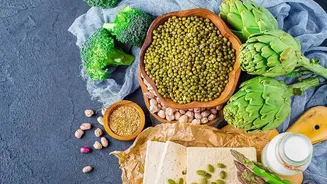
grams of protein at breakfast is a great goal to support muscle health, energy levels, and satiety. While eggs are a simple solution, India's rich culinary landscape offers a vast array of egg-free ingredients that can easily meet this target. The key is to shift focus towards dals, paneer, besan, tofu, and seeds.
The Power of Pulses: Moong Dal Chilla
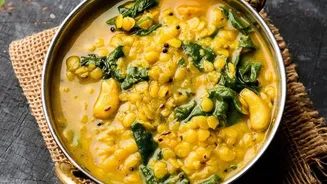
One of the most efficient high-protein Indian breakfasts is the moong dal chilla. Made from soaked and ground yellow moong dal, these savoury pancakes are naturally rich in protein. A typical serving of two chillas can provide between 11 and 18 grams of protein. The protein content can be easily boosted by adding a filling of crumbled paneer, which can elevate a two-chilla meal to 30 grams of protein. They are quick to prepare if the batter is made in advance and serve as a fantastic vehicle for various spiced fillings.
Dairy's Best: Paneer Bhurji
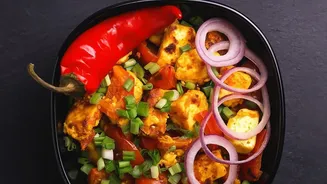
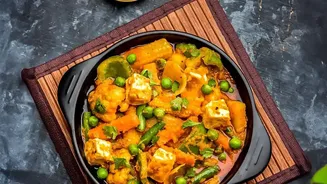
Paneer bhurji, or scrambled Indian cottage cheese, is arguably one of the highest whole-food protein sources for vegetarians. With roughly 18-20 grams of protein per 100g, a generous serving of paneer scrambled with onions, tomatoes, and spices can easily provide over 20 grams of protein. Served with whole-wheat toast or a roti, it becomes a complete and highly satisfying meal. The dish is incredibly quick to cook, making it a practical option for busy mornings when time is short but nutritional needs are high.
The Vegan Powerhouse: Tofu Bhurji
For those who avoid dairy or follow a vegan diet, tofu bhurji is an excellent alternative. While firm tofu has less protein per 100g (around 8-10g) compared to paneer, it comes with significantly fewer calories and less saturated fat. To match the protein of a paneer-based dish, a larger portion of tofu is needed, but this is easily achievable in a scramble format. Tofu's ability to absorb the flavours of Indian spices makes it a versatile and delicious breakfast scramble that is becoming increasingly popular in fitness-conscious circles.
The Super Flour: Sattu
Sattu, a flour made from roasted chickpeas (chana), is a traditional Indian superfood celebrated for its high protein content. Chana sattu contains about 20-25 grams of protein per 100g, making it one of the most cost-effective protein sources available. It can be consumed in various forms for breakfast. A 'Sattu Sharbat' is a refreshing drink made by mixing the flour with water, black salt, and lemon juice. For a more substantial meal, sattu can be used as a filling for parathas or whisked into a smoothie with milk and banana, which can yield around 15-16 grams of protein per glass.
Upgrading Your Poha
The humble poha can also be transformed from a carb-heavy dish to a balanced meal. While standard poha has only about 5-7 grams of protein, its nutritional profile can be significantly improved. Adding a meaningful amount of a protein source is key. This could be in the form of crumbled paneer, soya granules, or even cooked moong sprouts. These additions not only boost protein and fibre but also make the meal more filling, helping you stay energised and satisfied until your next meal.