


How Plants Tackle Particulate Matter
When we talk about Delhi's pollution, we're often talking about particulate matter (PM2.5 and PM10) — tiny, toxic particles that can lodge deep in our lungs. While the famous 1989 NASA Clean Air Study focused on how plants remove gaseous pollutants like
formaldehyde and benzene in sealed chambers, the question for Delhiites is: can they do anything about particulate matter? The answer is yes, though they work differently. Plants capture airborne particles in two primary ways. Firstly, the surfaces of their leaves, especially those that are waxy, rough, or hairy, act as natural filters, trapping dust and particulate matter that would otherwise remain suspended in the air. Secondly, some particles can be absorbed through the tiny pores on the leaves, called stomata, along with carbon dioxide. It is crucial to remember that plants are not a replacement for a HEPA filter, especially during peak pollution days. Instead, they are a living, breathing part of a broader strategy to make your home a healthier sanctuary.
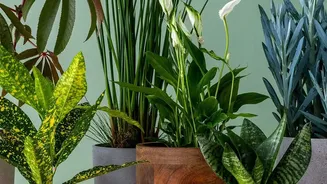
Snake Plant (Sansevieria trifasciata)
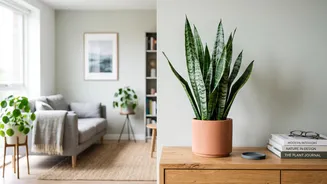
Often called the 'bedroom plant', the Snake Plant is a powerhouse of air purification and one of the hardiest plants you can own. What makes it unique is its ability to perform a type of photosynthesis that allows it to release oxygen at night, which most other plants do during the day. Recent studies have specifically highlighted its effectiveness in reducing indoor PM2.5 levels. In Delhi-NCR, where overnight pollution can remain dangerously high, having a plant that actively works while you sleep is a significant advantage. It is also exceptionally good at removing formaldehyde and benzene from the air. Care Tip: The Snake Plant is almost impossible to kill. It thrives on neglect, requires infrequent watering (let the soil dry out completely), and tolerates low light, making it perfect for apartments.
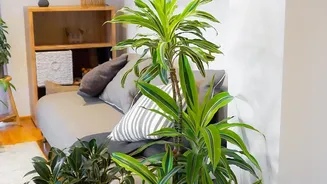
Areca Palm (Dypsis lutescens)
With its lush, feathery fronds, the Areca Palm is more than just a decorative piece. It’s one of the top-rated plants for overall air purification. It has a high transpiration rate, meaning it releases a good amount of moisture into the air, which is a blessing during Delhi's dry winters and can help weigh down airborne dust particles. Studies have shown it is effective at removing a range of toxins and can help reduce indoor CO2 levels. Some research even suggests its leaves can produce negative ions, which help clump together and remove dust and other allergens from the air. A study pairing Areca Palm with Rubber Plant noted its particular strength in defeating particulate deposition. Care Tip: Place your Areca Palm in bright, indirect sunlight. Keep the soil consistently moist but not waterlogged. Wiping down its many leaves daily, or at least weekly, is recommended in a high-pollution city like Delhi to ensure its pores don't get clogged with dust.
Money Plant (Epipremnum aureum)
The ubiquitous Money Plant, found in millions of Indian homes, is a resilient and effective air cleaner. It is particularly adept at filtering out formaldehyde, benzene, and carbon monoxide. Its broad, waxy leaves provide ample surface area for trapping dust and particulate matter. Given its versatility—it can thrive in soil or just a bottle of water—it’s an easy addition to any room, from the kitchen to the living room or even a small home office. Its trailing vines can be guided along walls or shelves, maximizing green space without taking up floor area. Care Tip: The Money Plant is incredibly forgiving. It flourishes in a variety of light conditions, from low to bright indirect light, and requires minimal care, making it ideal for both beginners and seasoned plant parents.
Spider Plant (Chlorophytum comosum)
The Spider Plant is another low-maintenance champion celebrated for its air-purifying capabilities. One study found it was highly effective at reducing particulate matter concentrations in an indoor setting, absorbing a significant percentage of PM. It's also known for its ability to filter formaldehyde and xylene. What makes the Spider Plant particularly great for urban homes is its effectiveness against carbon monoxide, a pollutant common near roads with heavy traffic. Its fast-growing nature and the many 'spiderettes' it produces mean you can easily propagate it and place new plants throughout your home. Care Tip: Spider Plants prefer bright, indirect light but can adapt to lower light conditions. Water them well but allow the soil to dry out between waterings. They are perfect for hanging baskets, keeping them away from pets and children.
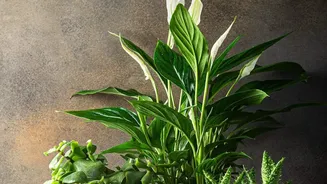
Peace Lily (Spathiphyllum)
The Peace Lily is a beautiful and functional plant, known for its elegant white blooms and its ability to tackle all major indoor air pollutants tested by NASA, including ammonia, a common component in cleaning products. Its large, glossy leaves are efficient at capturing dust and other airborne particles. The Peace Lily also helps to increase indoor humidity by releasing water vapor through its leaves, which can help suppress airborne dust. Care Tip: Peace Lilies prefer shady spots and consistently moist soil. They are one of the few plants that flower well in low light. The leaves will droop slightly when they need water, making them easy to care for. Keep them away from pets, as they can be toxic if ingested.