
The Unmistakable Evening Star
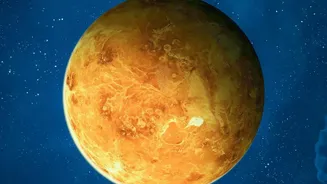
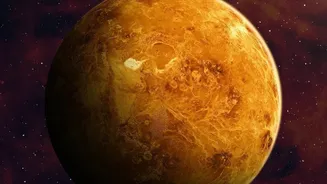
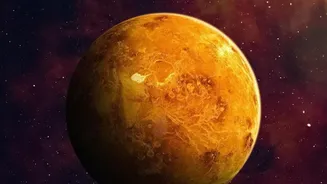
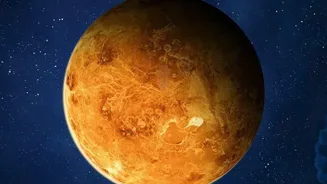
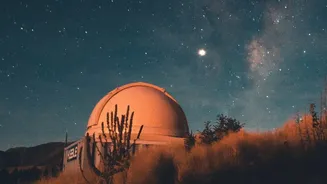
Venus will be impossible to miss throughout August 2026. As the brightest planet in our sky, it easily outshines every star. You won't need any special equipment to see it; its powerful, steady glow is a magnificent sight for the naked eye. Unlike stars,
which twinkle, planets shine with a constant light, making Venus appear as a solid, brilliant beacon in the twilight. This month, it's particularly prominent because it reached its greatest eastern elongation—its farthest point from the Sun in our evening sky—around August 15, making it hang beautifully above the western horizon after sunset.
When and Where to Look in Late August
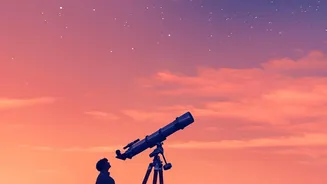
For the rest of August, the best time to view Venus is in the west-southwest sky, starting about 30-45 minutes after sunset. As dusk settles, Venus will emerge from the twilight glow, a solitary, diamond-like point of light. Its visibility is excellent across India, though your local sunset time will determine the exact viewing window. The planet will remain visible for well over an hour before it sinks below the horizon. As we move towards the end of the month, you can also spot it closing in on the bright star Spica, the brightest star in the constellation Virgo. They are heading for a close conjunction in early September.
Simple Tips for the Best View
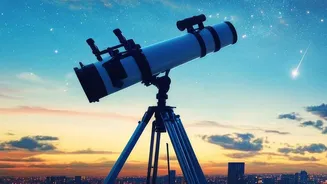
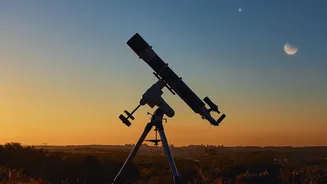
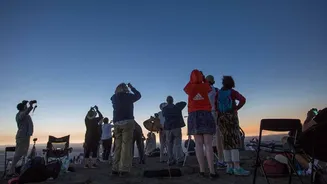
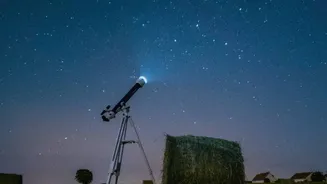
While Venus is bright enough to be seen from light-polluted cities, your experience will be greatly enhanced if you can find a spot with a clear, unobstructed western horizon. Parks, open fields, or even the terrace of a tall building can work wonders. Give your eyes about 15 to 20 minutes to adapt to the darkness, and avoid looking at your phone screen, as the bright light can ruin your night vision. Binoculars are a fantastic tool to use. While they won't show surface details, they will reveal Venus's phase. Through August, a telescope or good binoculars will show it as a tiny, thick crescent. This is because, like the Moon, Venus goes through phases as it orbits the Sun.
What Else Is in the Sky?
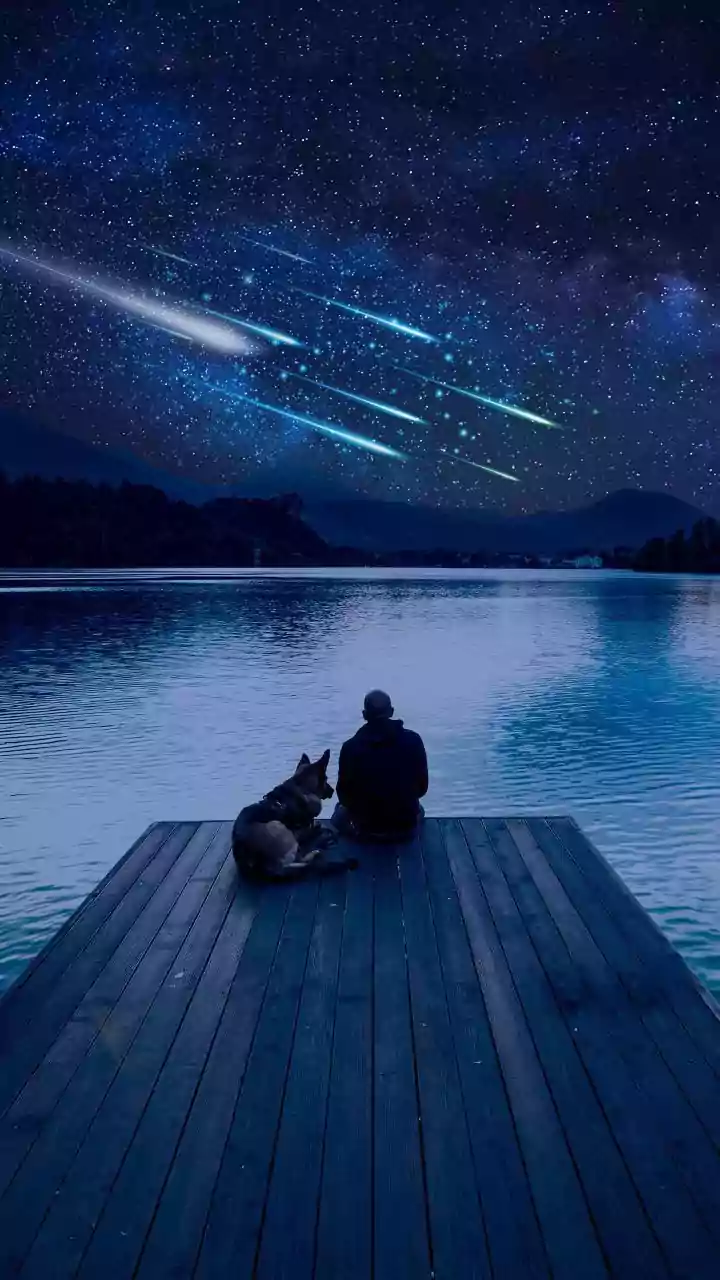
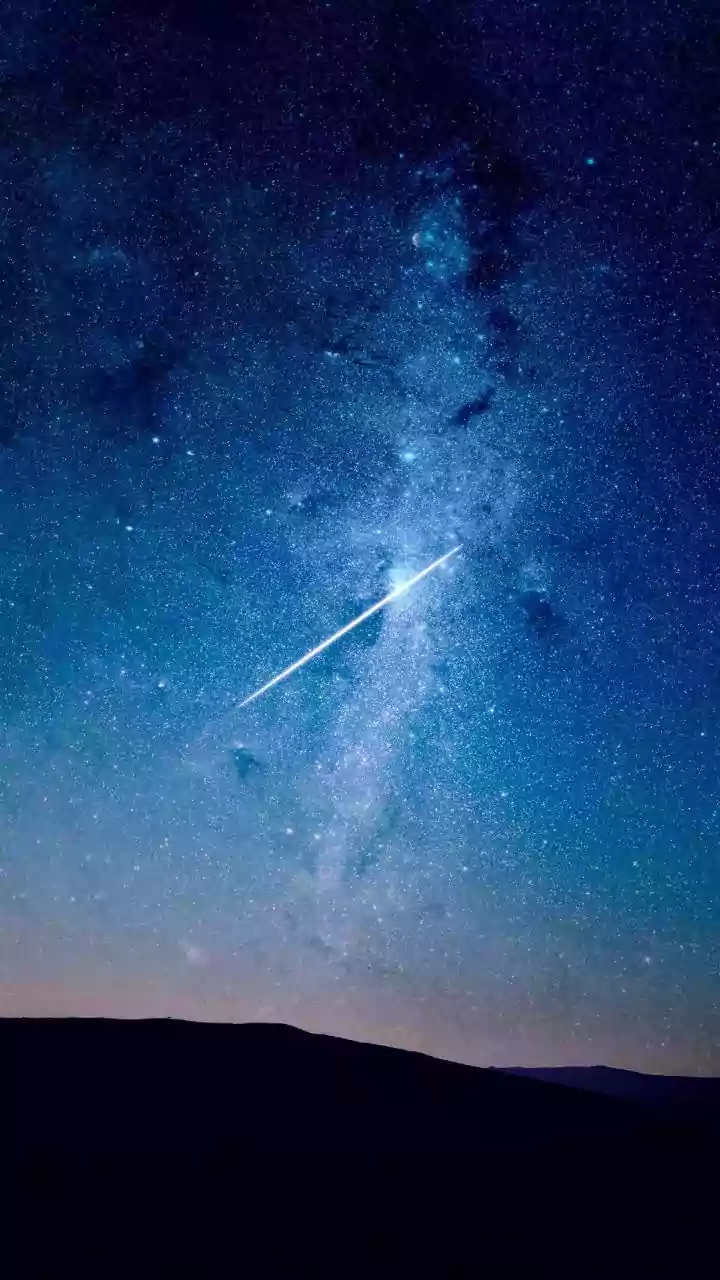
While Venus is the main attraction in the evening, other celestial sights are on display. As the night deepens, turn your gaze to the east to find the yellowish glow of Saturn. The famous ringed planet will be visible for most of the night. You'll need a telescope to see its iconic rings, but its steady light is easy to spot without one. Also, while the peak of the popular Perseid meteor shower was in mid-August, the shower remains active until around August 24. If you're under clear, dark skies late at night, you might still catch a few stray 'shooting stars' streaking across the sky. The main challenge for stargazing in India during this month is often the monsoon clouds, so be sure to take advantage of any clear nights you get.