





Why Sugar is a Summer Villain
When the heat is relentless, a sweet, cold drink feels like the perfect antidote. However, beverages high in refined sugar can be counterproductive. They provide a quick burst of energy, but it's often followed by a 'sugar crash' that leaves you feeling
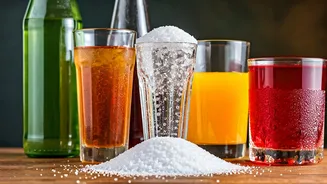
even more lethargic. More importantly, sugary drinks can contribute to dehydration. Your body uses water to metabolise sugar, meaning that a super-sweet drink can actually pull water from your system rather than replenish it. The World Health Organization (WHO) recommends adults limit their daily intake of free sugars to less than 10% of their total energy intake, which is about 50 grams (or 12 teaspoons) for the average adult. Many popular bottled drinks can contain that entire day's worth of sugar in a single serving.
The Obvious Sugar Bombs
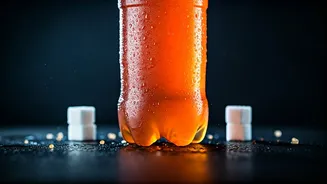
Let’s start with the usual suspects on any store shelf. Carbonated soft drinks, fruit-flavoured sodas, and energy drinks are notoriously high in sugar. A standard 300ml bottle of cola can pack anywhere from 30 to 40 grams of sugar. These drinks offer 'empty calories'—they provide energy but have virtually no nutritional value in terms of vitamins, minerals, or fibre. While they offer momentary satisfaction, their high sugar content and artificial ingredients make them a poor choice for genuine hydration and long-term health, contributing to risks like weight gain and type 2 diabetes when consumed regularly.
The 'Healthy' Impostors
This is where the audit gets tricky. Many drinks are marketed as healthy but are loaded with hidden sugars. Packaged fruit juices are a primary example. Even those labelled '100% juice' are stripped of their natural fibre during processing, leaving you with a concentrated dose of fruit sugar (fructose) that hits your bloodstream quickly. Flavoured yoghurts, commercial lassis, and bottled iced teas are other common culprits. A seemingly innocent bottle of mango lassi or lemon iced tea from a store can contain as much sugar as a can of soda. The key is to look beyond the marketing claims on the front of the package and inspect the nutrition label on the back.
How to Spot Hidden Sugars
Reading nutrition labels is an empowering skill. Sugar hides under many names. When you're scanning the ingredients list, look out for terms like high-fructose corn syrup, dextrose, sucrose, maltose, corn sweetener, and fruit juice concentrate. Generally, if sugar or one of its aliases is listed among the first few ingredients, the product is likely high in sugar. Pay attention to the 'Total Sugars' and 'Added Sugars' lines in the nutritional information table. 'Added Sugars' are the ones to watch out for, as these are the sugars and syrups added during processing, not the ones naturally present in milk or fruit.
Smarter, Truly Refreshing Swaps
The good news is that the best summer drinks are often the simplest and cheapest to make at home. This allows you to control the sugar content completely.
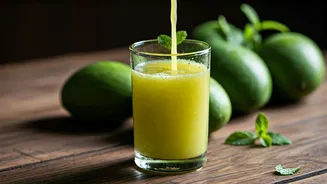
* **Classic Nimbu Pani/Shikanji:** A timeless classic for a reason. Use fresh lemon juice, water (still or soda), a pinch of black salt, and a minimal amount of sugar or a healthy alternative like jaggery. Or, try it without any sweetener at all.
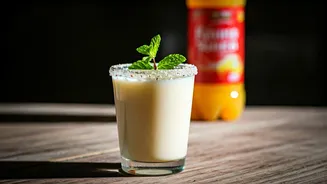
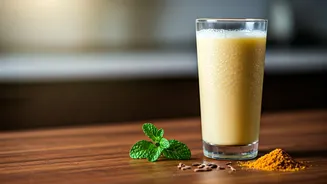
* **Unsweetened Chaas/Buttermilk:** Spiced buttermilk is a fantastic probiotic-rich hydrator. Flavour it with roasted cumin powder, mint, and a pinch of salt for a savoury and cooling drink.
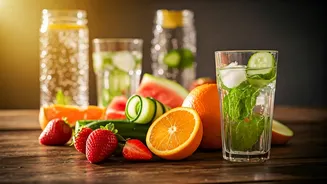
* **Infused Water:** This is the easiest swap of all. Add slices of cucumber, lemon, mint leaves, or even pieces of watermelon to a large jug of water and let it chill. It’s hydrating, flavourful, and has zero sugar.
* **Homemade Iced Tea:** Brew your favourite black or green tea, let it cool, and then chill it. Add lemon and mint for flavour. If you need sweetness, add a tiny amount of honey or jaggery once it has cooled down.