
Beyond the Traditional Wardrobe
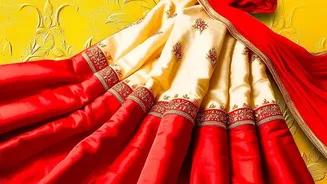
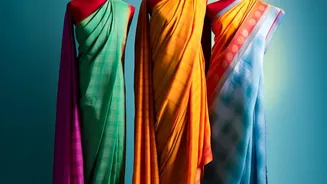
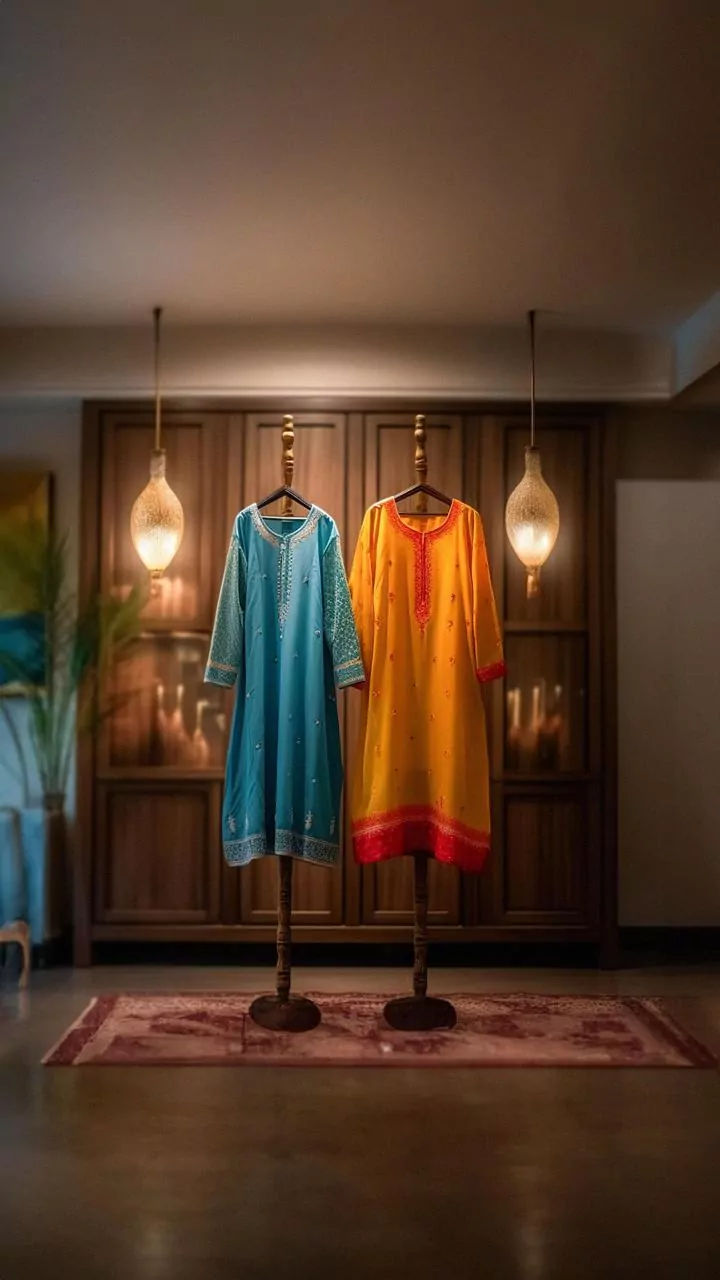
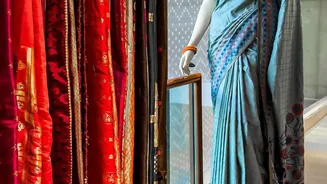
Think of Indian handloom and what comes to mind? Likely, it's the rich silk of a Banarasi saree or the intricate threadwork on a festive lehenga. For decades, these beautiful, labour-intensive crafts have been the stars of our occasion wear wardrobes.
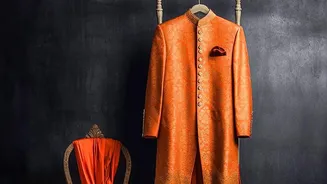
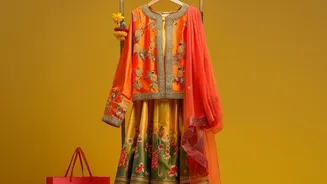
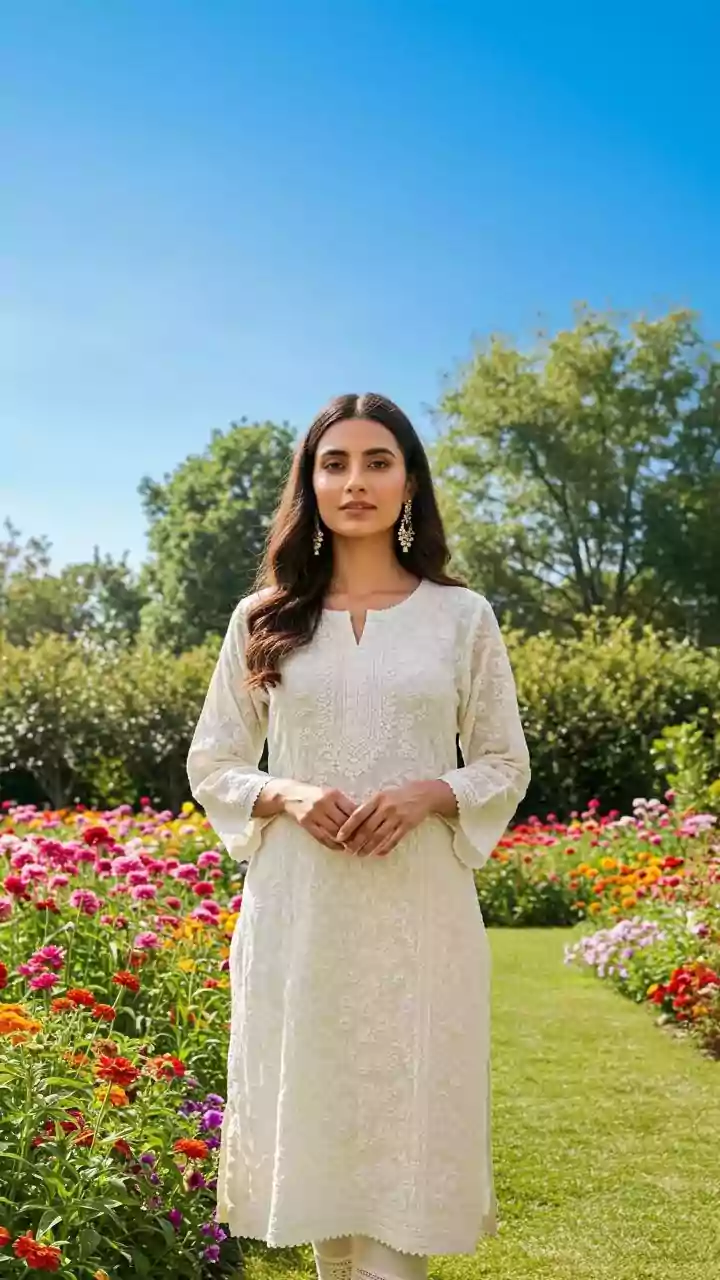
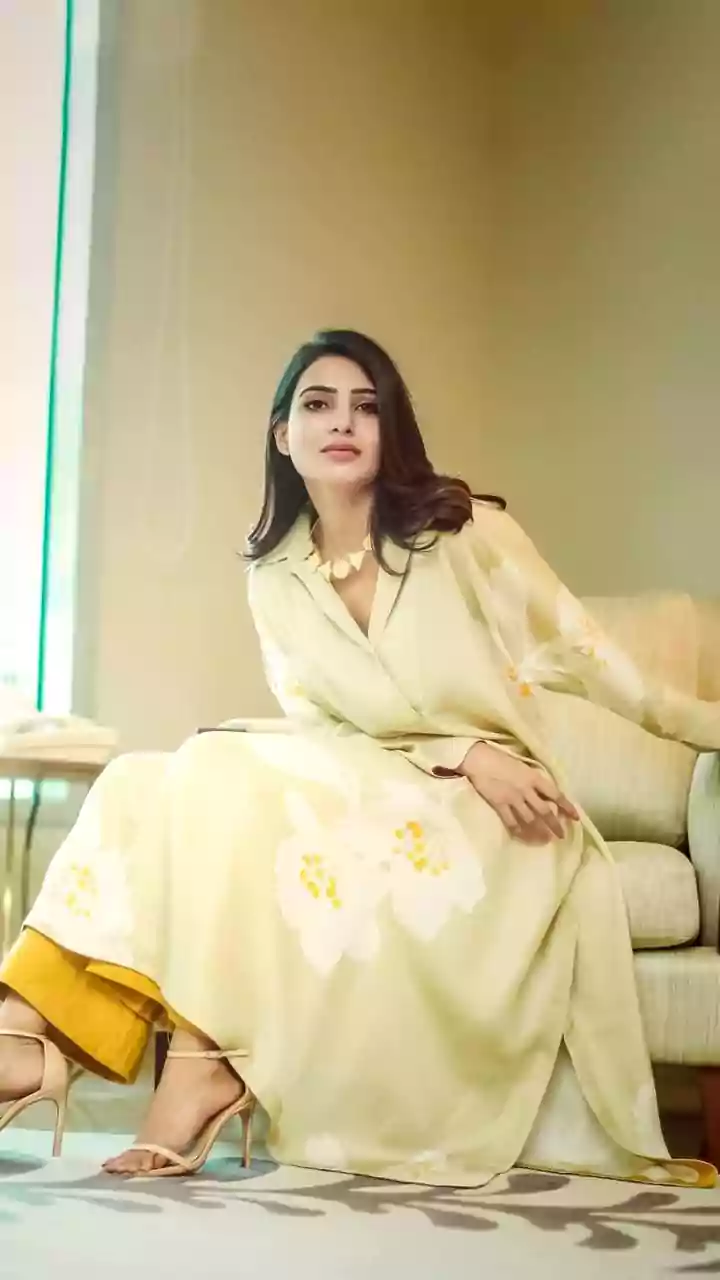
But their role is expanding. A growing movement in Indian fashion is liberating these textiles from their traditional confines and pairing them with the clean, structured lines of Western tailoring. The result is a powerful fusion that feels both deeply personal and globally relevant. This isn't just about creating Indo-Western outfits; it's about redefining power dressing with a story to tell. Designers are now crafting structured blazers with Ikat patterns, tailored trousers with delicate Chikankari embroidery, and sharp jackets from handwoven Khadi.
A New Language of Power Dressing
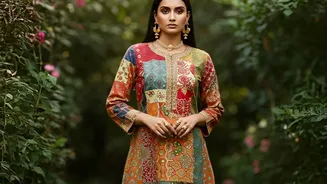
Imagine walking into a boardroom wearing a tailored blazer, but instead of a simple pinstripe, it features the subtle, resist-dyed blur of an Ikat weave. Or swapping a plain button-down for a crisp shirt adorned with delicate Chikankari embroidery along the placket. This is the new language of workwear, one that blends professionalism with personality. Adding a handcrafted element to a tailored piece creates a look that is both polished and unique. Designers are using ancient techniques like Bandhani, traditionally seen on dupattas and sarees, on everything from co-ord sets to structured jackets. This blend allows for self-expression in environments that often demand uniformity, offering a way to wear your heritage with pride in a contemporary context.
A Story in Every Thread
In an era of mass-produced fast fashion, a garment with a soul stands out. Handcrafted textiles are more than just fabric; they are narratives woven by artisans, often over weeks or months. Each hand-tied dot on a Bandhani piece or the intricate motifs in a Jamdani weave carry the legacy of generations of craftspeople. By choosing a tailored piece made with a traditional craft, you are not just buying a piece of clothing—you are investing in a story and supporting the livelihoods of over 3.5 million weavers and artisans, a majority of whom are women in rural areas. This connection to authenticity and ethical production is what gives these garments their true luxury.
How to Style Handcrafted Tailoring
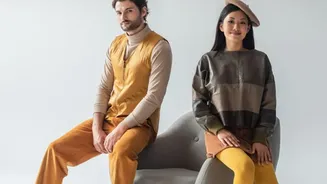
Integrating these pieces into your wardrobe is easier than you might think. The key is balance. If you have a statement piece, like a blazer made from Banarasi silk or a jacket with bold Ajrakh block prints, let it be the hero. Pair it with neutral, solid-coloured trousers and a simple top to allow the craft to shine. For a more subtle approach, try a pair of well-fitted trousers with minimal Chikankari work at the hem, worn with a classic white shirt. You can also start small with accessories; a handwoven scarf or a stole can instantly elevate a simple trouser-and-blazer combination. The goal is to avoid an overly busy look by mixing one or two handcrafted elements with clean, modern silhouettes like cigarette pants or straight-cut trousers.
The Designers Leading the Charge
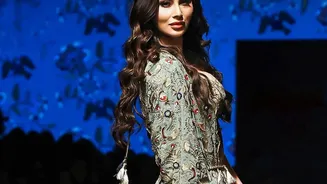
This sartorial shift is being championed by a host of Indian designers who are reinterpreting heritage crafts for the modern wardrobe. Names like Anita Dongre and the late Ritu Kumar have long been pioneers in blending traditional textiles with contemporary cuts. Younger designers are also emerging from India's top fashion schools, eager to collaborate with artisan clusters to create collections that feel both authentic and globally relevant. Labels like Sabyasachi have shown how Indian brocades can be used for trench coats, while others are known for using bold, traditional prints on modern co-ord sets and blazers. This has paved the way for a fashion landscape where a hand-embroidered jacket is just as essential as a classic blue jean.