



Embracing the Downpour
For most travelers, a forecast of relentless rain is a reason to cancel a trip. In Wayanad, a jewel-green district nestled in the mountains of Kerala, it’s the main event. 'Monsoon chasing' isn't about dodging storms like tornado hunters in the American
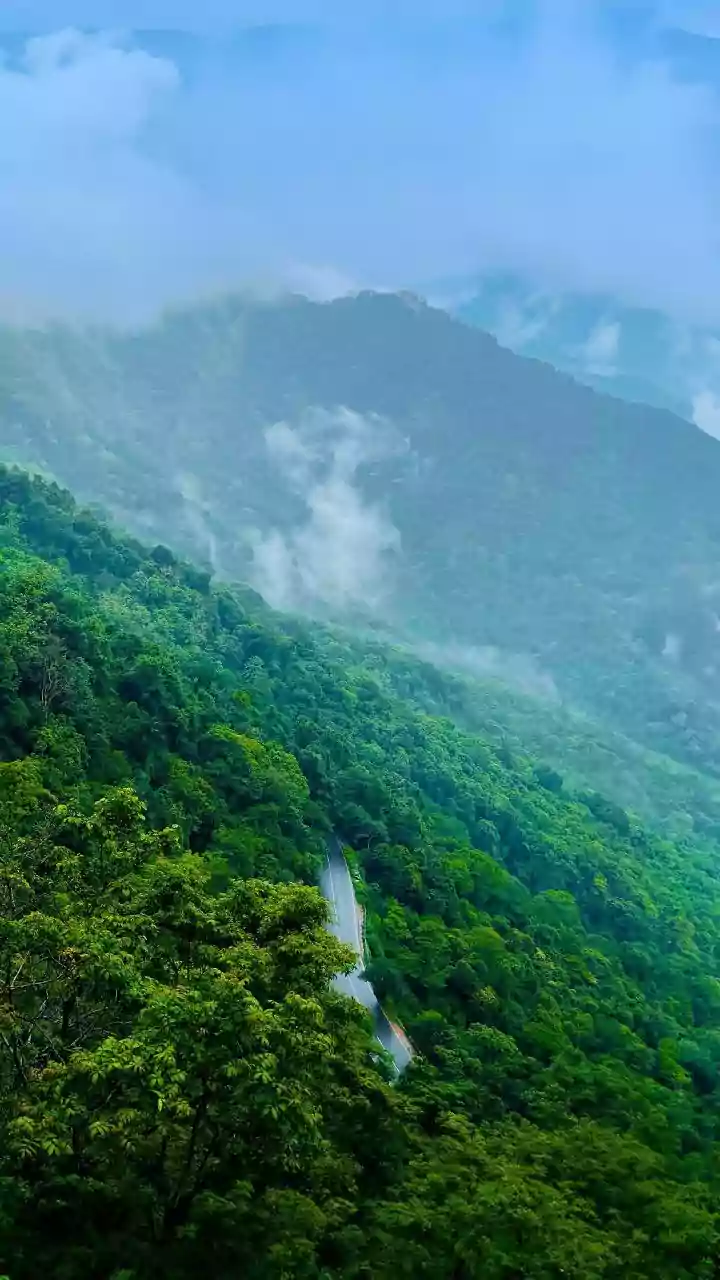
Midwest; it’s about immersing yourself in the life-giving deluge that transforms the landscape from dry and dusty to impossibly lush. From June to September, the Indian southwest monsoon sweeps across the Western Ghats, a UNESCO World Heritage mountain range. This annual spectacle triggers an explosion of life, turning streams into roaring rivers, hillsides into a thousand shades of green, and dormant waterfalls into thunderous cascades. For a growing number of adventurers, this isn't weather to hide from—it's the entire point of the journey.
Wayanad: A Land Reawakened
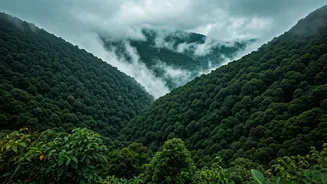
To understand monsoon chasing, you first have to picture Wayanad. Located in the southern state of Kerala, often called 'God's Own Country,' this region is a tapestry of spice plantations, dense forests, and mist-shrouded peaks. The air smells of cardamom, pepper, coffee, and, during the monsoon, the rich, earthy scent of petrichor—the smell of rain on dry soil. Before the rains, the land is beautiful but subdued. After the first showers, it’s electric. The vibrant green is so intense it almost seems unreal. This dramatic transformation is the backdrop for the adventure, where the destination isn't a single viewpoint but the entire rain-soaked ecosystem. The region's tourism has leaned into this, often marking the season's start with festivals celebrating the rain, turning a meteorological event into a cultural one.
The Thrill of the Trails
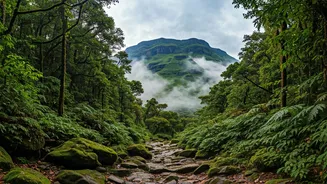
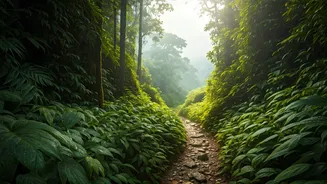
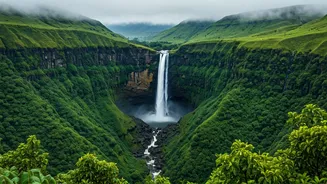
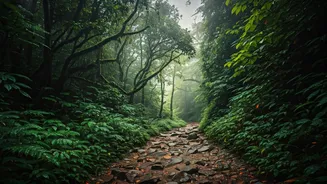
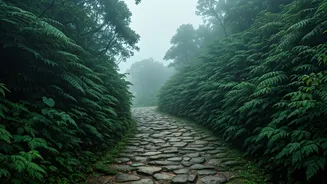
The primary activity is trekking. Trails that are simple walks in the dry season become exhilarating challenges. Mud squelches underfoot, tiny rivulets crisscross the path, and the constant drumming of rain on broad-leafed trees creates a natural soundtrack. Treks often lead to destinations that are at their peak during the monsoon. The trek to Chembra Peak, Wayanad’s highest point, offers breathtaking views of a heart-shaped lake, its borders sharpened by the fresh rainwater. Trails to waterfalls like Soochipara (Sentinel Rock) and Meenmutty become pilgrimages to witness nature's raw power. The reward for a slippery, drenching hike is standing before a multi-tiered cascade, feeling the spray on your face as water crashes down with a force unimaginable just weeks earlier. It's a visceral, multi-sensory experience that connects you directly to the environment.
More Than Just Hiking
While trekking is the soul of monsoon chasing, the celebration often extends beyond the trails. In past years, the Wayanad Tourism Organisation has hosted 'Splash,' a monsoon carnival designed to showcase the region's rainy-season activities. These festivals have featured everything from off-road jeep rallies on muddy tracks to friendly games of mud football, where locals and tourists alike slide and score in giant mud pits. Other activities might include bamboo rafting on newly swollen rivers or simply finding a cozy viewpoint cafe to sip a hot, sweet chai while watching the clouds roll across the valleys. This organized fun helps frame the monsoon not as an inconvenience but as a season of play, community, and joyful abandon. It’s an invitation to shed inhibitions and embrace getting a little wet and muddy.
A Symphony for the Senses
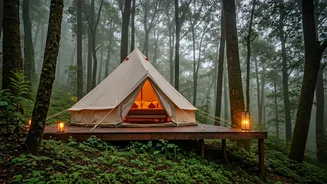
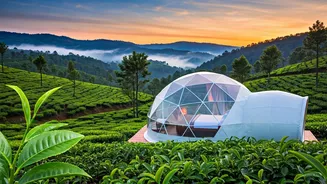
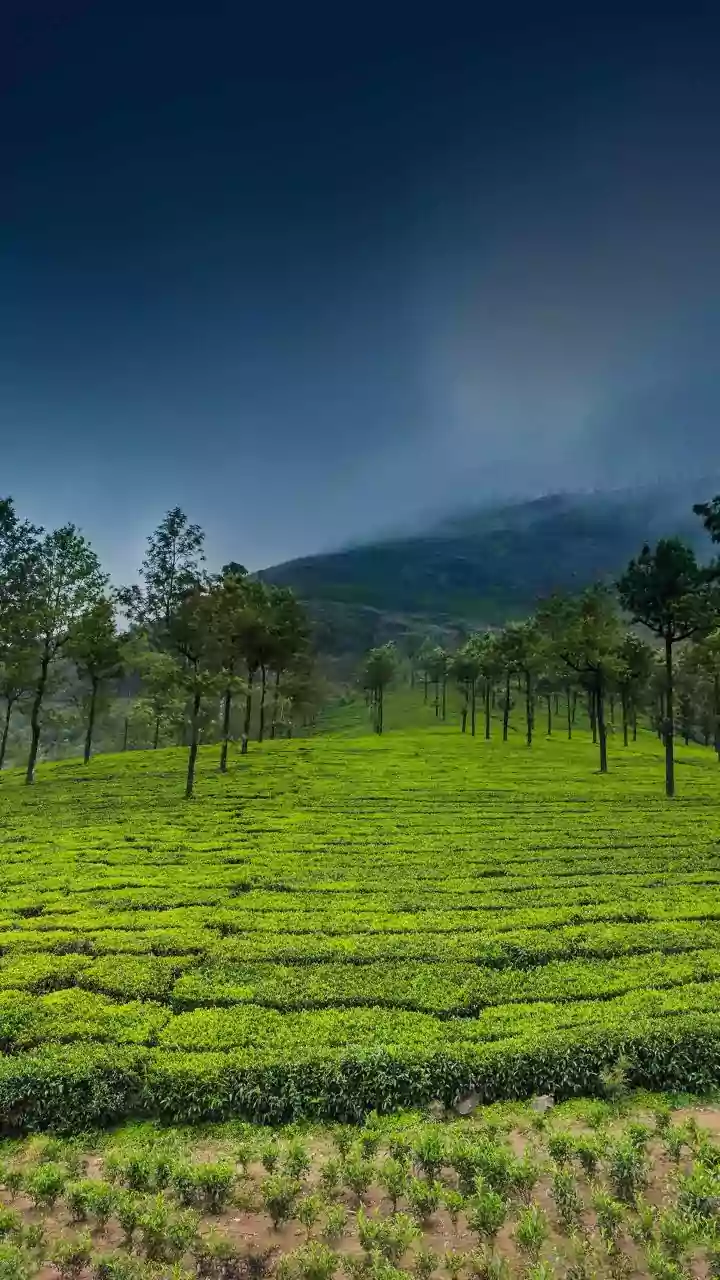
Ultimately, the appeal of monsoon chasing in Wayanad is deeply sensory. It’s the sight of low-hanging mist weaving through tea plantations. It’s the sound of a million raindrops hitting leaves, the ground, and corrugated tin roofs in a constant, soothing percussion. It's the feel of cool, clean rain on your skin after a humid hike. It's the taste of a spicy Keralan meal, its flavors seeming sharper and more comforting in the cool, damp air. For travelers jaded by predictable beach vacations, it offers a profound alternative: a chance to witness a place not just at its most beautiful, but at its most alive. Chasing the monsoon is about seeing nature not as a backdrop, but as the main character in an epic annual drama.