


The Indoor Exercise Challenge
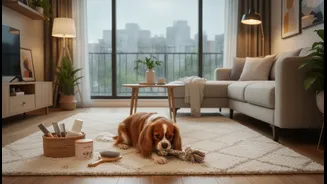
When relentless rain cancels daily walks, a dog's pent-up energy can become a problem in a compact apartment. This is where creative indoor activities become essential. Instead of a long walk, you can engage your pet in short, intense play sessions. A
hallway can become a fetch alley with a soft toy that won't damage walls or furniture. Games like tug-of-war can also be a great way for larger dogs to release energy in a controlled space. For mental exercise, which can be just as tiring as physical activity, consider puzzle feeders or snuffle mats. Hiding treats around the house and encouraging your pet to find them—a game of 'find-it'—engages their natural sniffing instincts and keeps their brain sharp. Even a 15-minute training session to refresh old commands or teach a new trick provides crucial stimulation.
Hygiene is a Top Priority
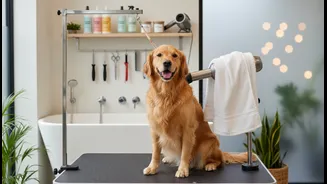
The combination of moisture and humidity is a breeding ground for bacteria and fungi, making hygiene a critical concern. Your pet's paws are the primary point of contact with wet, muddy, and potentially contaminated streets. Set up a dedicated paw-cleaning station right by your entrance. A simple setup with a towel and a bowl of warm water is effective for wiping down paws after every single outing. Pay special attention to drying the area between their toes, as trapped moisture can lead to fungal infections. A damp coat can cause skin issues and that infamous wet-dog smell. Dry your pet thoroughly with a microfibre towel after any exposure to rain, paying extra attention to their underbelly and skin folds. Consider trimming the fur on their paws and underbelly to prevent mud and moisture from clinging. Frequent washing of their bedding is also crucial to prevent dampness and bacterial growth.
Monsoon Health Watch
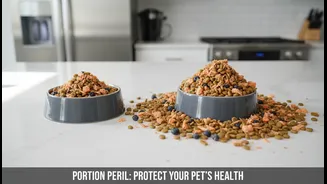
The rainy season brings a spike in specific health risks. The humid weather is the peak breeding season for ticks and fleas, which can transmit serious diseases. It is vital to be consistent with your vet-recommended tick and flea prevention schedule. Stagnant water puddles can be contaminated with harmful bacteria, including the one that causes leptospirosis, a serious disease that can affect the kidneys and liver. Always steer your pet away from drinking from puddles or walking through stagnant water. Providing fresh, clean drinking water at home is more important than ever; consider boiling water if you're concerned about contamination. With reduced physical activity, your pet might need a dietary adjustment to prevent weight gain. Consult your vet about potentially reducing their calorie intake slightly to match their lower energy expenditure.
Managing Dampness and Odour
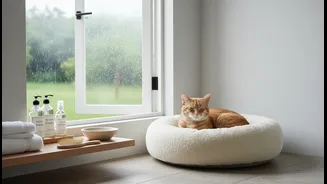
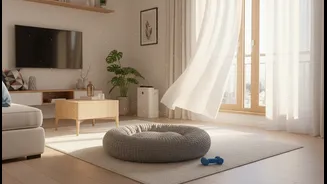
In a small apartment, the smell of a damp pet and wet belongings can quickly become overwhelming. Good ventilation is your first line of defence. Open windows whenever there's a break in the rain to allow fresh air to circulate. Using exhaust fans in the kitchen and bathroom can also help reduce overall humidity. Keep pet bedding, towels, and toys completely dry. If you have a balcony, use sunny breaks to dry them out thoroughly. Washing pet bedding more frequently than usual, at least once a week, helps keep odours at bay. Placing absorbent doormats at the entrance can trap a significant amount of water and dirt before it's tracked through your home. For persistent dampness, small, pet-safe dehumidifiers or moisture-absorbing products can make a noticeable difference in the air quality of your flat.