





Waterproof and Breathable Outerwear
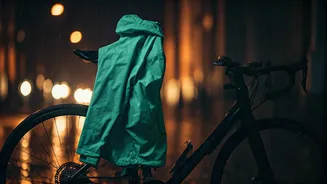
The most crucial piece of gear is a high-quality waterproof jacket. Look for one that is not only water-resistant but also breathable. [5, 26] Fabrics like Gore-Tex or similar proprietary materials with taped seams prevent water from getting in while
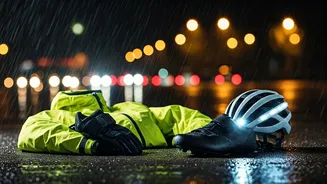
allowing sweat to escape, keeping you dry from both the rain and your own exertion. [5, 20, 26] A cycling-specific jacket will have a longer tail to protect you from road spray and a fit that doesn't flap in the wind. [31, 32] For complete protection, pair your jacket with waterproof trousers. [5, 27]
Essential Visibility: Lights
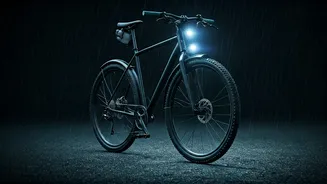
Visibility drops significantly during a downpour, for both you and drivers. [10, 17] Powerful front and rear lights are non-negotiable, even during the day. [7, 21, 31] Modern LED lights offer excellent brightness and long battery life. Look for models with a high lumen count and a daytime flashing mode to make you stand out in gloomy conditions. [12, 36] A rear light with 100 lumens or more is a good benchmark, while a front light of at least 600 lumens is recommended for unlit roads. [25] Some smart lights even increase in brightness when you brake, offering an extra layer of safety. [30]
Full-Length Fenders or Mudguards
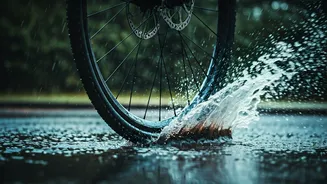
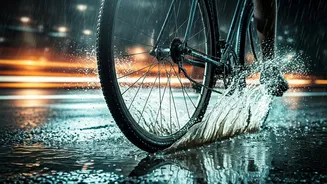
A waterproof jacket protects you from falling rain, but mudguards protect you from the water and grime kicked up by your own tires. [7, 20] They are essential for staying clean and dry, especially your back and feet. [13, 22] Full-length fenders that hug the curve of your wheels offer the best protection, not only for you but also for any cyclist riding behind you. While some riders skip them for aesthetics, their utility in keeping you comfortable and your bike's components cleaner is undeniable. [7, 13]
Protecting Your Feet and Hands
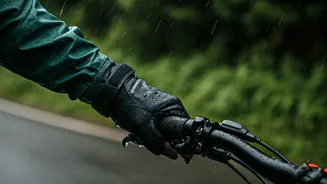
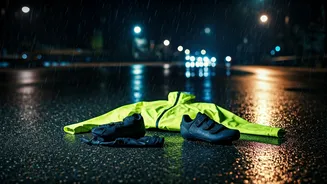
Nothing ends a ride faster than cold, wet feet. [14, 27, 31] Waterproof shoe covers, often called booties, are the best solution. [4, 9, 11] They fit over your regular cycling shoes, forming a barrier against rain and road spray. [4, 15] Look for neoprene or other waterproof materials with sealed seams. [4, 11] Similarly, waterproof gloves keep your hands warm and ensure you maintain a secure grip on wet handlebars and brake levers, which is critical for safety. [5, 21, 27]
Clear Vision and Head Protection
Keeping rain out of your eyes is crucial for seeing the road ahead. A simple cycling cap worn under your helmet works wonders; its peak shields your eyes from droplets. [14, 20] Some helmets also come with visors, or you can use clear or light-tinted cycling glasses to protect your eyes from spray and impact. [6, 31] For heavy downpours, a waterproof helmet cover is an excellent addition that also adds a layer of high-visibility colour. [7]
Bike Maintenance and Protection
Rain and road grit are tough on your bike's moving parts, especially the chain. [27] Before heading out, apply a 'wet' chain lubricant. These are specifically formulated with higher viscosity oils to resist being washed off by water, ensuring your gears shift smoothly. [2, 3, 8, 18] After every wet ride, it's vital to clean your bike to remove mud and grime, then dry and re-lube the chain to prevent rust and wear. [10, 13, 34] This simple routine will significantly extend the life of your components. [13, 27]
Waterproof Storage Solutions
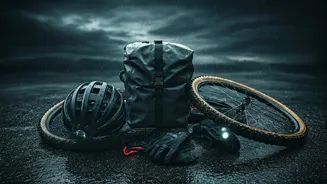
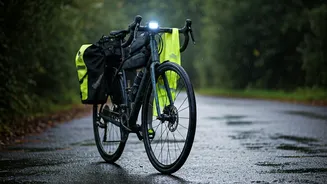
You’ll need a way to keep your essentials like your phone, wallet, and spare clothes dry. Invest in waterproof panniers, a handlebar bag, or a backpack. [6, 10] Even water-resistant bags can fail in a proper monsoon downpour, so look for fully waterproof options with sealed seams or roll-top closures. [7] For commuters, a waterproof backpack cover is a great alternative that can protect a laptop and other valuables. [7]