





The Psychology of 'Too Small to Fail'
The thought of a one-hour gym session can be daunting, making it easy to procrastinate and ultimately skip. The beauty of a 10-minute workout lies in its psychological power. It’s a goal so small and manageable that it becomes difficult to make excuses.
This approach aligns with the 'start small' principle of habit formation. When a new behaviour requires minimal effort, our brains are less likely to resist it. By committing to just 10 minutes, you lower the barrier to entry and shift the focus from intensity to consistency. Each completed session, no matter how short, acts as a small win. This reinforces the behaviour, building self-efficacy—the belief in your ability to follow through—which is crucial for making a habit stick. You are essentially casting a vote for your new identity as someone who exercises regularly.
The Science of 'Exercise Snacking'
Don't underestimate the physical benefits of these short bursts. Scientists refer to them as 'exercise snacks', and research shows they deliver significant health returns. Studies have found that brief, vigorous movements scattered throughout the day can dramatically lower mortality risks from all causes, including cardiovascular events. These micro-workouts improve how your body manages blood sugar, boost metabolism, and can lower blood pressure. The body doesn’t necessarily distinguish between one long session and several shorter ones; the cumulative effect is what matters. For many health markers, accumulated exercise has been shown to be just as effective as one continuous session. A quick workout also provides an immediate mental boost by releasing endorphins, which can reduce stress and improve your mood.
Your First 10-Minute Routine
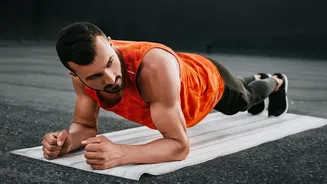
The best part is that you don't need any special equipment or a gym membership to get started. You can do an effective full-body workout right in your living room. The key is to focus on compound movements that engage multiple muscle groups. Here is a simple, balanced routine to try. Perform each exercise for 40 seconds, followed by 20 seconds of rest before moving to the next. Complete two full rounds. 1. Squats: A fundamental lower-body exercise that strengthens your legs and glutes. 2. Push-ups: Modify by doing them on your knees if needed. This works your chest, shoulders, and triceps. 3. Mountain Climbers: A great cardio move that also engages your core. 4. Glute Bridges: Activates your glutes and hamstrings, which is important for posture. 5. Plank: Hold a steady plank to build core stability and strength.
Making Your New Habit Stick
Creating an automatic habit takes more than just doing the workout; it requires building a system around it. According to psychologists, habits are built on a loop of a cue, a routine, and a reward. To make your 10-minute workout a permanent fixture, try these strategies: Anchor it to an existing habit: This practice, known as 'habit stacking', is incredibly effective. For example, 'After I have my morning cup of tea, I will do my 10-minute workout'. Schedule it: Treat your workout like any other important appointment. Put it on your calendar to create a non-negotiable commitment. Reduce friction: Make it as easy as possible to start. Lay out your workout clothes the night before. Have your routine ready to go. Track your progress: Use a journal or a simple calendar to mark off the days you complete your workout. Seeing the chain of consistency grow is a powerful motivator.
From 10 Minutes to a Lifelong Habit
A 10-minute workout is not just a consolation prize for being busy; it's a strategic starting point. For many people, it's a gateway to a more active lifestyle. Once the habit of showing up every day is firmly established—which studies suggest can take an average of 66 days—you may find yourself naturally wanting to do more. You might add another 10-minute session later in the day or gradually increase the length of your morning routine. The goal is not to stay at 10 minutes forever, but to use it as a tool to build the consistency that most people lack. It teaches your brain that you are a person who exercises, and that foundation is what long-term fitness is built upon.