
The Hidden Rise of Ultra-Processed Foods
Across India, a quiet dietary shift is happening. Ultra-processed foods (UPFs)—industrial formulations packed with fats, sugars, salt, and additives you wouldn't find in a home kitchen—are filling our pantry shelves. Sales of these items, from packaged
snacks and sugary cereals to instant noodles and ready-to-heat meals, have grown exponentially in recent years. This trend is driven by busy lifestyles, aggressive marketing, and the perception of these foods as modern and convenient. However, global health bodies have linked high consumption of UPFs to increased risks of obesity, type 2 diabetes, and heart disease. They are often designed to be hyper-palatable, which can lead to overconsumption while providing little in the way of essential nutrients.
More Than Just Calories
The impact of relying on ultra-processed meals goes beyond physical health. When we open a packet instead of chopping vegetables, we lose a connection to our food and the skills developed over generations. Cooking is a mindful act that engages the senses. Traditional Indian cooking, in particular, is an art form rooted in balancing flavours and understanding ingredients. By outsourcing our meals to factories, we risk losing the cultural heritage embedded in our regional cuisines—the family recipes passed down, the specific techniques for grinding spices, and the joy of sharing a meal prepared with love and intention.
The Comfort Food Comeback
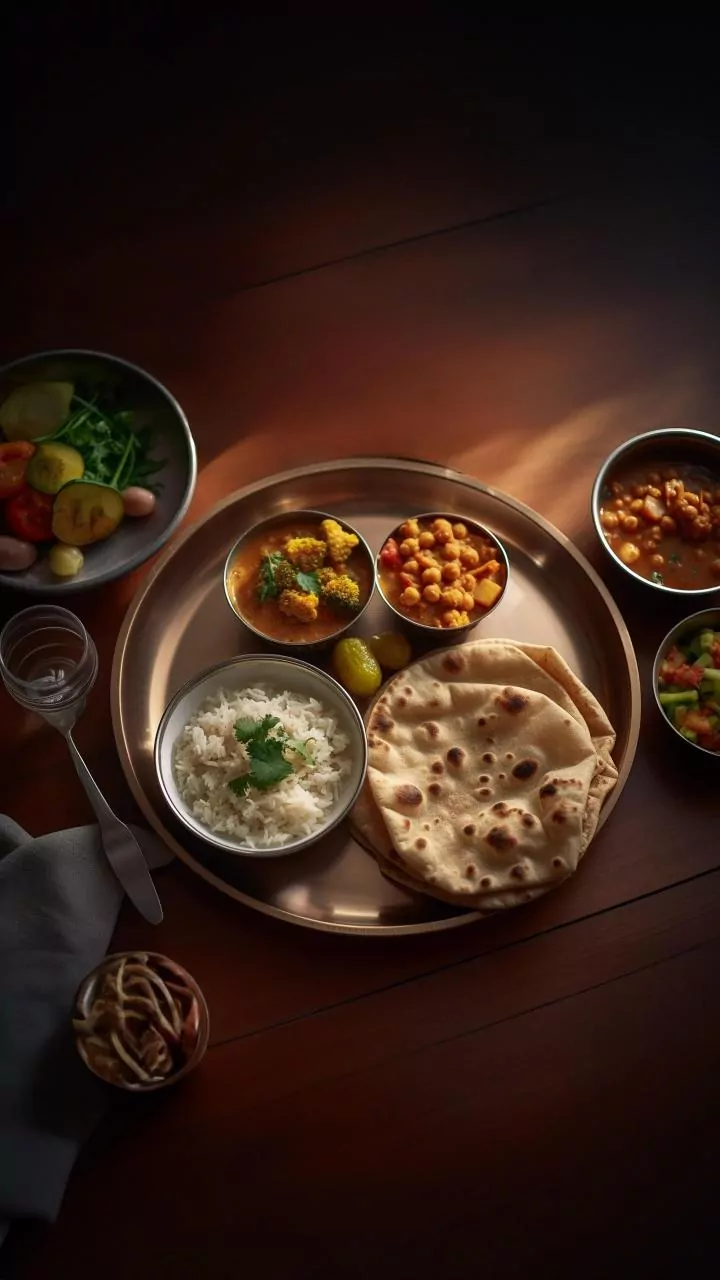
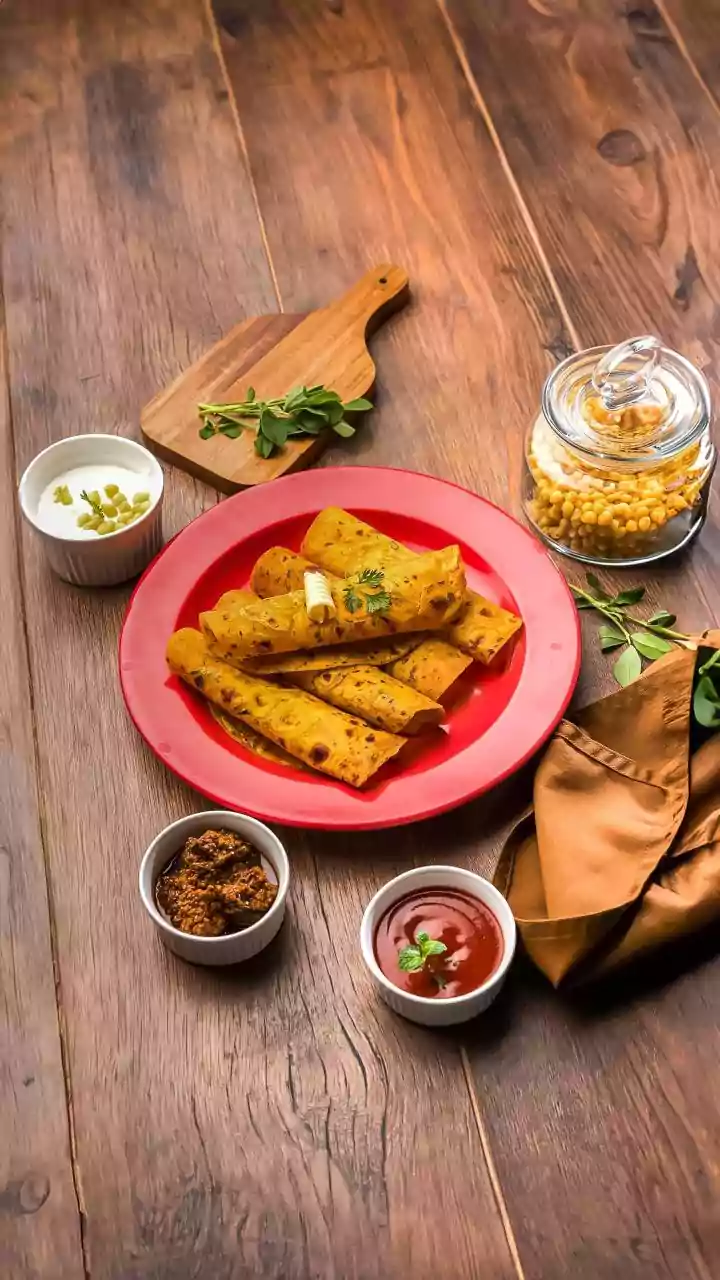
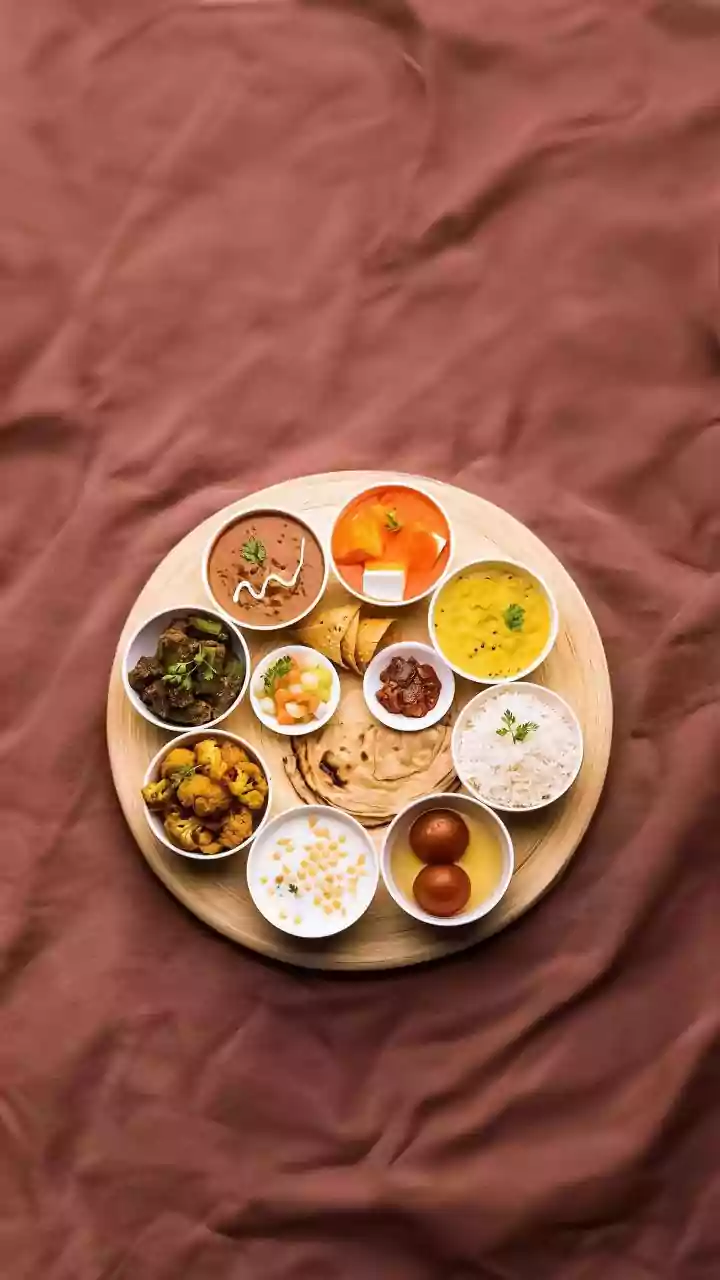
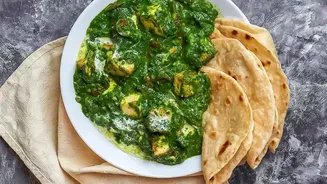
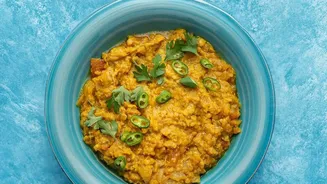
The most powerful alternative to the UPF takeover is not a new diet trend, but a return to our roots: regional comfort food. These are the dishes that nourish not just the body, but also the soul. Think of a simple bowl of dal and rice, a soothing plate of khichdi, or a wholesome vegetable curry. These meals are the original 'balanced diet', often combining grains, lentils, and vegetables to provide a complete nutritional profile of proteins, carbohydrates, and fibre. Rooted in Ayurvedic principles, traditional Indian food has always emphasized digestion, wellness, and using food as a form of medicine.
The Healing Power in Your Masala Dabba
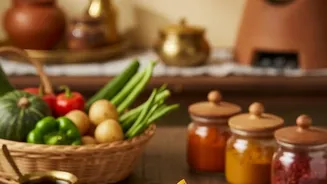
What makes these simple meals so powerful? It's the ingredients and the methods. Spices like turmeric, cumin, ginger, and coriander are not just for flavour; they have well-known anti-inflammatory, antioxidant, and digestive properties. A basic dal provides protein and fibre. Fermented foods like yogurt, idli, and dosa support gut health. Slow-cooking methods help preserve and enhance the nutritional value of the ingredients, making them easier for the body to absorb. A simple khichdi, for example, is considered one of the most nourishing and easily digestible meals, often recommended during illness for its restorative qualities.
Making Tradition Work in a Modern Kitchen
Embracing home cooking doesn't have to mean spending hours in the kitchen. Many traditional recipes are surprisingly simple and adaptable. One-pot meals like vegetable biryani or khichdi are perfect for busy weeknights. You can prep ingredients over the weekend—soak lentils, chop vegetables, or make a batch of ginger-garlic paste. Even a simple tomato dal with rice can be put together in under 30 minutes. The key is to reframe cooking not as a chore, but as a valuable investment in your family's health and a celebration of your culinary heritage.