


The Daily Discard Dilemma
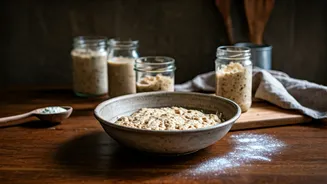
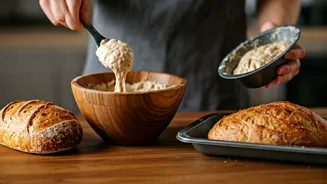
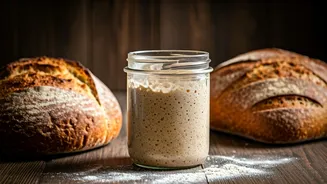
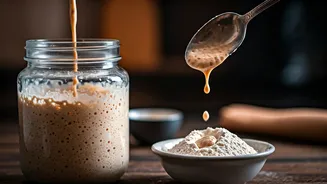
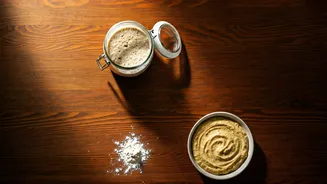
Anyone who maintains a sourdough starter is familiar with the routine: to keep the culture healthy and active, you must regularly 'feed' it with fresh flour and water. Before you feed it, however, you have to remove a portion of the existing starter to keep the volume
manageable. This removed portion is called the “discard.” For years, this aptly named substance was often simply thrown away, a necessary but wasteful-seeming step in the pursuit of the perfect crusty loaf. But as more people embraced sourdough, especially since the home-baking boom of the early 2020s, a collective question arose: what can we do with all this discard?
A Legacy of the Baking Boom
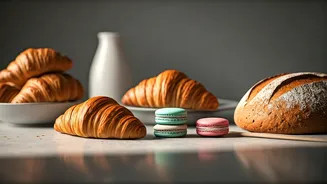
The global pandemic saw a massive surge in home baking, with sourdough leading the charge. It was a hobby that offered a tangible, rewarding process during uncertain times. Now, years later, many of those who started their sourdough journeys have mature, thriving starters that require constant maintenance. This has created a generation of home bakers who are not only skilled at bread but are also faced with a consistent supply of discard. The initial hobby has evolved into a sustainable practice, pushing bakers to look beyond the loaf and find value in every part of the process.
The War on Food Waste
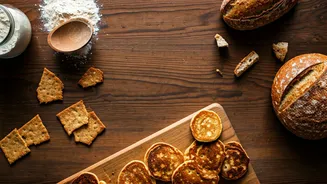
The movement to use sourdough discard is intrinsically linked to a broader cultural shift towards reducing food waste. In an era of mindful consumption, throwing away a mixture of perfectly good flour and water multiple times a week feels increasingly wrong. Using discard is a simple, impactful way for home cooks to practice sustainability in their own kitchens. It transforms a 'waste' product into a versatile ingredient, aligning with a zero-waste ethos that resonates with many modern urbanites. This approach isn't just about saving money; it's about respecting ingredients and minimizing our environmental footprint, one pancake or cracker at a time.
A New World of Flavour
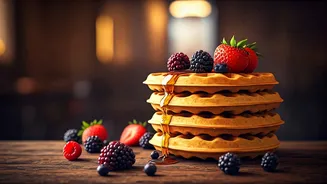
Beyond sustainability, bakers have discovered that sourdough discard is a secret weapon for flavour. The discard, which is essentially unfed, fermented starter, imparts a tangy, complex flavour profile that can elevate a wide range of dishes. This is not the same as the active, bubbly starter used for leavening bread; this is all about taste. It adds a depth similar to that of buttermilk or crème fraîche. This has led to an explosion of creativity, with recipes emerging for everything from sourdough discard pancakes, waffles, and biscuits to crackers, brownies, and even pasta. Some have even incorporated it into traditional Indian recipes like cheelas and parathas.
Unlocking Culinary Creativity
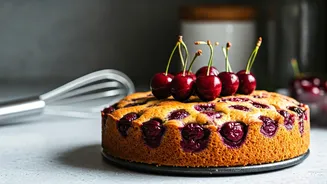
The constraints of having a regular supply of discard have paradoxically unlocked immense creativity. Instead of a problem, home cooks now see it as an opportunity. Online communities and food blogs are filled with an ever-growing list of ingenious uses. You can find recipes for sourdough discard pizza crust, fluffy cinnamon rolls, savoury scones, and moist chocolate cake. Because the discard isn't being used for its leavening power, it's often combined with baking soda or powder. This makes it a forgiving and flexible ingredient, encouraging experimentation and turning the daily ritual of feeding a starter from a chore into the beginning of the next delicious kitchen project.