





Gather Your Equipment and Ingredients
Before you begin, you'll need a few key items. Most importantly, you need a SCOBY (Symbiotic Culture of Bacteria and Yeast) and at least one cup of starter tea, which is simply unflavored kombucha from a previous batch. If you don't have a friend who
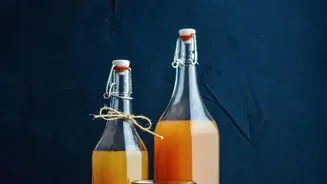
can share one, they can be purchased online. For a one-gallon batch, you will also need a large glass jar (at least one gallon), four tablespoons of loose-leaf black tea or about eight tea bags, one cup of sugar, and filtered water. You'll also want a breathable cloth cover, like cheesecloth or a clean dish towel, and a rubber band to secure it. For bottling later, have some airtight glass bottles ready.
Step 1: Brew and Cool the Sweet Tea
The foundation of kombucha is a strong, sweet tea. Bring about four cups of your filtered water to a boil, then remove it from the heat. Stir in one cup of sugar until it's completely dissolved. Add your black tea and let it steep for about 10 minutes. It's best to use unflavored black tea, as oils in flavored teas can harm the SCOBY. After steeping, strain out the loose tea or remove the tea bags. Pour this sweet tea concentrate into your large glass jar and top it up with about eight to twelve cups of cool, filtered water. The most crucial part of this step is to let the mixture cool down to room temperature (between 68–85°F or 20-29°C). Adding a SCOBY to hot tea can kill the delicate culture.
Step 2: Add the SCOBY and Begin First Fermentation (F1)
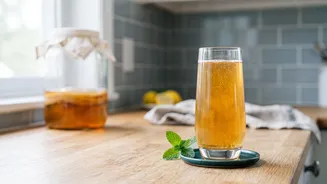
Once your sweet tea is completely cool, it's time for the magic. Gently slide your SCOBY into the jar, then pour in the cup of starter tea. The starter tea is vital as it helps lower the pH of the brew, creating an acidic environment that protects against mold growth from the very beginning. Cover the mouth of the jar with your breathable cloth and secure it tightly with a rubber band. This keeps out dust and pests while allowing the brew to breathe. Place the jar in a warm, dark place away from direct sunlight, ideally where the temperature is consistently between 75-85°F (24-29°C). Colder temperatures can significantly slow down fermentation.
Step 3: Ferment and Taste Test
The first fermentation (F1) is where the sweet tea transforms into tangy kombucha. This process typically takes between 7 and 14 days. During this time, the yeast and bacteria in the SCOBY consume the sugar, producing organic acids and a small amount of carbonation. You might see your SCOBY float, sink, or grow a new, thin, white layer on top; all of this is normal. After about a week, you can start taste-testing your brew every day using a clean spoon or straw. It's ready when it has reached a balance of sweetness and tartness that you enjoy. The longer it ferments, the more sour and less sweet it will become.
Step 4: Bottle for a Fizzy Second Fermentation (F2)
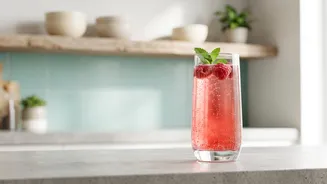
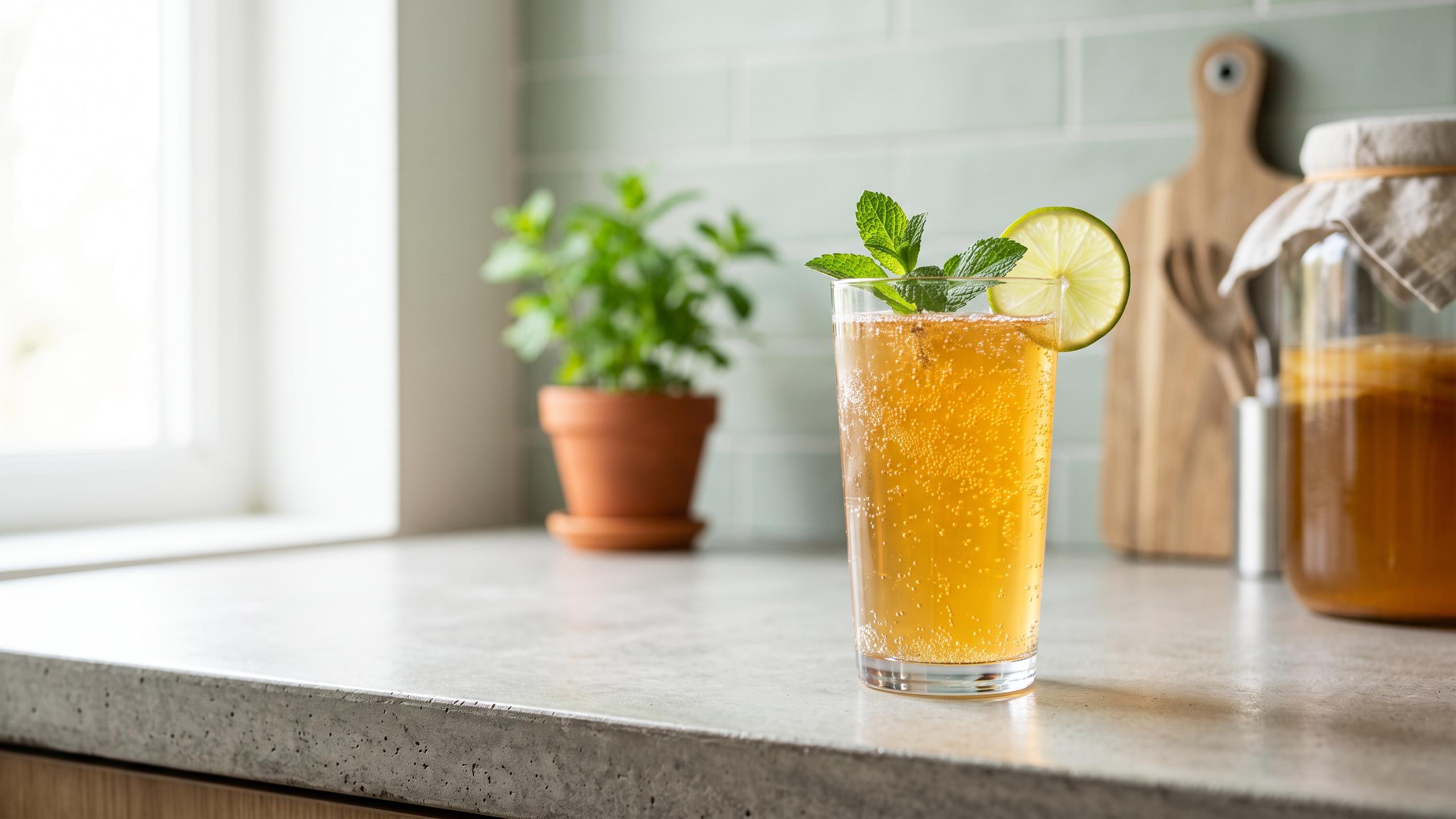
Once your kombucha has reached your desired taste, you're ready for the second fermentation (F2), which is where you add flavor and build up carbonation. First, carefully remove the SCOBY with clean hands and place it in a bowl with about two cups of your freshly brewed kombucha. This will be the starter tea for your next batch. Pour the remaining kombucha into airtight, pressure-rated bottles, leaving a couple of inches of headroom. Now for the fun part: adding flavors. You can add fruit juice, fresh or frozen fruit like berries or mango, or spices like ginger and cinnamon. Seal the bottles tightly and let them sit at room temperature for another 2 to 7 days. Burp the bottles daily to release excess pressure and check carbonation. Once fizzy, move them to the refrigerator to stop the fermentation process and enjoy.
Safety and Troubleshooting
Hygiene is the most important factor in preventing mold. Always start with clean hands and sanitized equipment. True mold on a SCOBY is rare but looks fuzzy, dry, and can be green, black, or white, similar to mold on bread. If you see it, you must discard the entire batch, including the SCOBY. Don't confuse mold with brown, stringy yeast strands or new SCOBY formation, which can look like white spots or a translucent film; these are normal. Using enough starter tea is your best defense, as the initial acidity makes the environment hostile to mold spores.