





The Myth of the 'Perfect' Seal
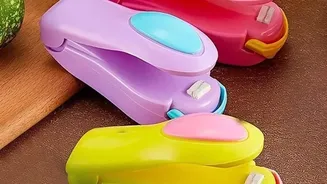
We often see 'sealed' as a guarantee of absolute protection, but the reality is more complex. Whether it's a zip-top, a heat seal, or the original manufacturer's packaging, bags are designed to be barriers, not impenetrable fortresses. Over time, microscopic
imperfections or the material itself can allow for minimal air and moisture transfer. More importantly, the seal does nothing to guard against external temperature changes or the consistent, creeping dampness that can come from improper placement. Thinking of the bag as the first line of defense, rather than the only defense, is crucial for long-term storage success. It protects from pests and immediate spills, but environmental factors require a more strategic approach.
How Heat Silently Spoils Your Goods
Even without direct sunlight, ambient heat is a powerful force of degradation. Storing a sealed bag near a water heater, a refrigerator's exhaust, or in a stuffy garage can slowly ruin its contents. High temperatures accelerate chemical reactions, causing oils in grains, nuts, and pet food to go rancid, resulting in off-flavors and smells. Heat can also degrade the nutritional value of food, breaking down vitamins over time. In some cases, if any moisture is trapped inside, warmth can create a breeding ground for bacteria that thrive in low-oxygen environments. The quality of the bag itself can also be compromised, with some plastics potentially warping or weakening, leading to a failed seal. For optimal preservation, a cool, dark, and dry location is always the best practice.
The Problem with Concrete Floors
Placing a sealed bag directly on a concrete floor, especially in a basement or garage, is one of the most common storage errors. Concrete is porous and can wick moisture from the ground. Furthermore, it is susceptible to a phenomenon known as 'sweating.' This happens when warm, humid air comes into contact with the cooler concrete slab, causing condensation to form on the surface. This is the same reason a cold glass of water gets wet on the outside on a summer day. This moisture creates a damp microclimate around the bottom of your bag, which can lead to mold and mildew growth on the packaging. Over time, this persistent dampness can compromise the bag's integrity and spoil the contents, even if the bag never appears to be sitting in a puddle.
Smart and Simple Storage Solutions
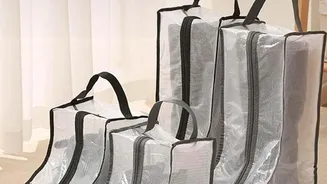
Protecting your sealed bags is straightforward and doesn't require a major overhaul. The cardinal rule is to elevate everything off the floor. Food safety guidelines often recommend storing food at least six inches off the ground. This simple step promotes air circulation, which helps keep the area dry and prevents moisture from getting trapped. You can use simple wooden pallets, plastic shelving units, or even just a couple of clean planks of wood to create this crucial buffer. For an even higher level of protection, consider placing your sealed bags inside a larger, rodent-proof plastic bin or a food-grade bucket with a lid. This adds a second layer of defense against moisture, pests, and potential physical damage.