



A Mushroom in Disguise
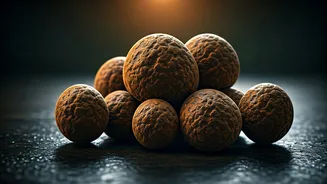
At first glance, Rugda doesn’t look like a mushroom at all. Found in the bustling local markets of Ranchi and other parts of Jharkhand during the monsoon, they resemble small, round, mud-caked potatoes or stones. But break one open, and you’ll find a soft,
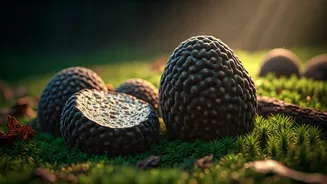
white interior. Scientifically, Rugda (Lycoperdon spp.) is a type of puffball mushroom that grows completely underground, a geogenous fungus that is a world away from the familiar button or Portobello mushrooms. They thrive in the humid, damp soil under the shade of Sal trees, drawing nutrients and their distinct flavour from the earth itself. This unique appearance is part of its mystique, a humble-looking orb that holds a complex and sought-after taste.
The Monsoon Treasure Hunt
Rugda cannot be cultivated; it can only be foraged. Its appearance is tied directly to the first few showers of the monsoon, typically from the end of June to August. This extremely short season makes it a rare and coveted ingredient. Adivasi communities, who possess generations of traditional ecological knowledge, are the primary foragers of Rugda. They know exactly where to look, scanning the forest floor for the subtle cracks in the soil that indicate the presence of these subterranean fungi. The harvest is laborious and requires a keen eye, making every kilogram sold in the market a testament to skill and patience. This limited availability and difficult foraging process are why Rugda commands a high price, often selling for ₹300 to ₹500 per kilogram, sometimes even more.
The Taste of Jharkhand's Soil
The main reason for Rugda’s fame is its unique flavour and texture. When cooked, it has a surprisingly meaty, chewy bite that has earned it the nickname 'vegetarian mutton'. The flavour is deeply earthy and savoury, with a subtle nuttiness that absorbs the spices of any curry it's added to. For many, the taste is evocative of the monsoon itself—the smell of wet earth, the freshness of the forest, and the richness of the soil. Unlike many other mushrooms that can become slimy when cooked, Rugda holds its firm texture, providing a satisfying and substantial element to any dish. It’s not just a food; it’s an experience that connects the diner directly to the terroir of the Chota Nagpur Plateau.
From Market to Masala
Preparing Rugda requires a bit of work, but the payoff is immense. The first and most crucial step is cleaning. Each piece must be washed thoroughly to remove all traces of mud and grit from its rough exterior. Once clean, they are ready to be transformed. The most popular preparation is Rugda curry, a hearty, spicy dish that often serves as the centrepiece of a special meal. The mushrooms are typically sautéed with a classic combination of onions, ginger, garlic, tomatoes, and a blend of spices like turmeric, coriander, and garam masala. The mushrooms release their own water, creating a thick, flavourful gravy that pairs perfectly with rice or rotis. Another beloved dish is Rugda Puttu, where the mushrooms are cooked with rice flour, creating a simple yet profound showcase of their unique character.
A Cultural & Culinary Gem
Rugda is more than just an ingredient; it is a cultural icon for the people of Jharkhand. Its arrival signals the peak of the monsoon and is a cause for celebration. Families gather to enjoy this seasonal delicacy, and it plays a vital role in the local economy, providing a significant source of income for foraging communities during the rainy season. Rich in protein, carbohydrates, and minerals, it is also a nutritious powerhouse. As more people discover the rich and diverse world of regional Indian cuisines, ingredients like Rugda are stepping into the spotlight, celebrated for their unique flavours and the stories they tell about a place and its people.