

Understanding Functional Fitness
Before diving into the exercises, it's important to understand what 'functional fitness' truly means. It isn’t about building the biggest muscles, but about training your body to handle real-life activities safely and efficiently. Think about lifting
groceries, getting up from a chair, pushing a heavy door, or playing with your children. Functional exercises mimic these everyday motions, training multiple muscle groups to work together as an integrated system. This approach improves strength, balance, coordination, and mobility, which can reduce the risk of injury and enhance your overall quality of life.
The Squat: Your Lower Body Powerhouse
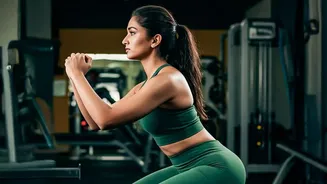
The bodyweight squat is arguably one of the most essential exercises for functional strength. It targets the largest muscles in your body—the glutes, quadriceps, and hamstrings—while also engaging your core for stability. This single movement directly translates to daily activities like sitting down and standing up, lifting heavy objects from the floor, and climbing stairs. By mastering the squat, you build the foundational lower-body and core strength needed to move through your day with power and less risk of strain. It is a fundamental pattern that strengthens the very muscles required to correct your balance if you stumble.
The Push-Up: For Upper Body and Core Strength
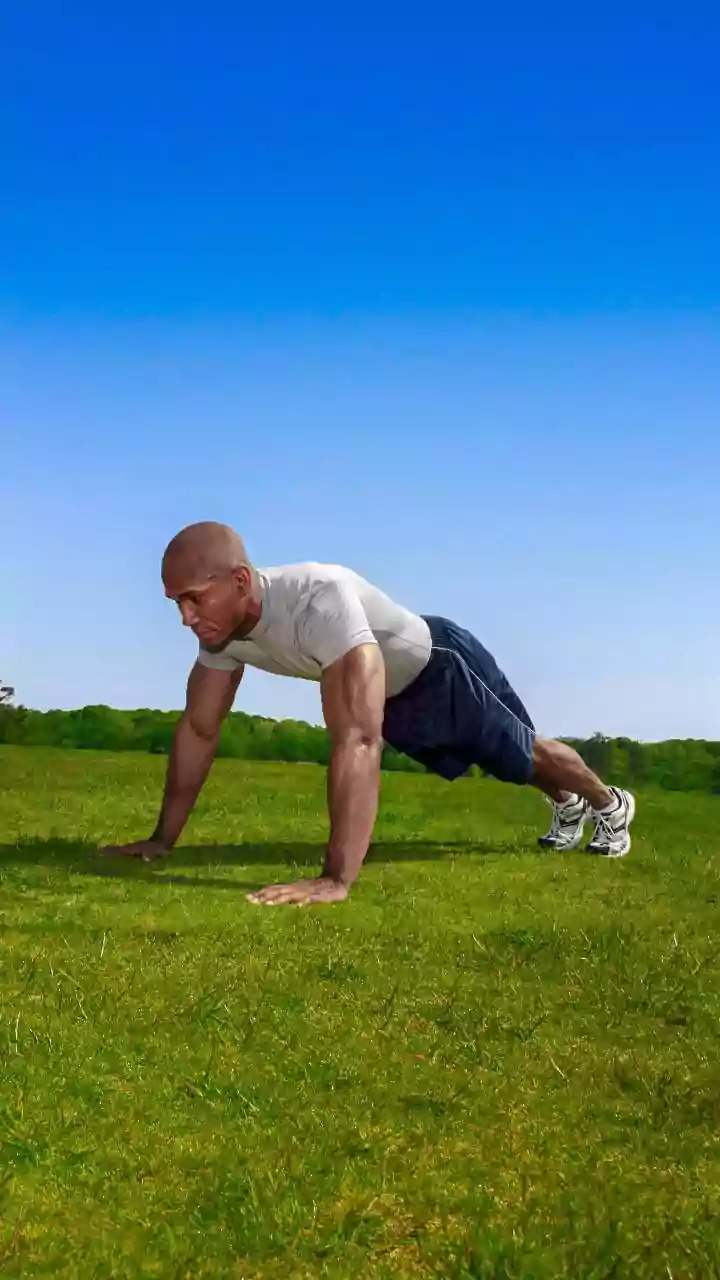
The push-up is a classic for a reason. It is one of the most effective bodyweight exercises for building upper-body 'pushing' strength, targeting the chest, shoulders, and triceps. But its benefits don't stop there. A proper push-up also demands significant core engagement to keep your body in a straight line from head to heels. This combined action strengthens the muscles you use for pushing open doors, lifting yourself up from the floor, or pushing a shopping cart. For beginners, modified push-ups, such as those performed on the knees or against a wall, are an excellent way to build strength progressively and safely.
The Plank: The Ultimate Core Stabiliser
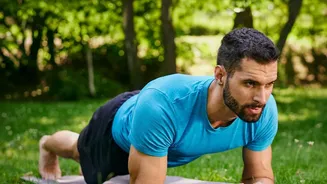
While squats and push-ups are dynamic movements, the plank is an isometric exercise that builds incredible endurance and stability, particularly in your core. A strong core is the bedrock of nearly every move you make, protecting your spine and improving your posture. Planks train the muscles of your abdomen, back, and hips to work together, creating a solid base that enhances balance and reduces the risk of back pain, especially for those who sit at a desk for long hours. This stability is crucial for carrying heavy items, maintaining good posture, and transferring power efficiently during other movements.
Are They a 'Complete' Solution?
The headline makes a bold claim: 'complete functional fitness'. While squats, push-ups, and planks provide an incredibly strong and well-rounded foundation, 'complete' fitness often includes other movement patterns. For instance, these three exercises primarily focus on pushing and core stability. To create an even more balanced routine, it would be beneficial to incorporate a 'pulling' motion (like pull-ups or rows) to strengthen your back and biceps. Adding cardiovascular exercise, like walking, running, or cycling, is also essential for heart health. However, if you are looking for the most efficient starting point that hits the majority of your major muscle groups with zero equipment, this trio is hard to beat. They are the non-negotiable foundations of strength.