






North India: Golden Triangle and the Himalayas
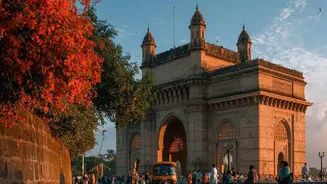
In North India, which includes popular destinations like Delhi, Agra, and Jaipur (the Golden Triangle), October brings delightful weather. The intense summer heat and monsoon rains have subsided, making way for warm, sunny days and comfortable, cool evenings.
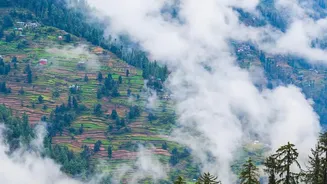
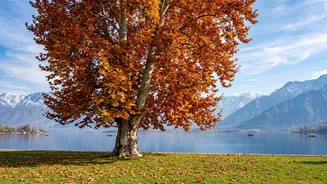
Temperatures in the plains typically range from the low 20s to low 30s Celsius (around 68-86°F), which is ideal for sightseeing and exploring historical forts and palaces. Humidity is significantly lower, and rainfall is minimal. Further north in the Himalayan states like Himachal Pradesh and Uttarakhand, the weather is crisp and clear, offering stunning mountain views. Daytime temperatures are pleasant, perfect for trekking and outdoor activities, though nights can get chilly as winter approaches. It marks a great time to visit before heavy snowfall begins to close higher passes in the coming months.
West India: Rajasthan and Goa
Western India offers a diverse weather experience in October. In Rajasthan, the monsoon's withdrawal means the desert state is mostly dry, with clear skies and abundant sunshine. Temperatures are hot but generally not unbearable, often hovering around 34°C during the day, making it a good time to explore cities like Jodhpur and Jaisalmer before the peak tourist crowds arrive in November. On the coast, Goa is at the tail end of its monsoon season. While you might still encounter occasional short showers early in the month, the rainfall decreases significantly as the weeks progress. The weather becomes progressively sunnier and drier, with average high temperatures around 32-33°C. The landscape is exceptionally green and fresh after the rains, and the beaches begin to welcome visitors again.
South India: The Retreating Monsoon
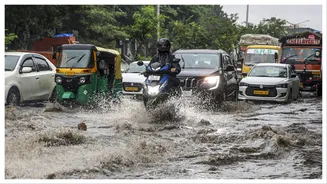
The weather story in South India is dominated by the northeast monsoon, also known as the retreating monsoon. While the southwest monsoon has withdrawn from most of the country, it's this secondary monsoon that brings rain to the southeastern coast. States like Tamil Nadu receive a significant portion of their annual rainfall starting from mid-October. Therefore, if you're planning to visit Chennai or Puducherry, be prepared for rain. In contrast, Kerala, on the southwestern coast, experiences a transitional phase. There can still be unpredictable bursts of rain, especially early in the month, but the weather is generally warm and humid. The backwaters are lush and full, offering a unique experience. Karnataka's weather varies, with coastal areas seeing some rain while inland areas become drier and more pleasant.
East and Northeast India: Lush and Clear
October is widely considered one of the best times to visit Northeast India. The monsoon season has washed the landscape clean, leaving the hills of Meghalaya, Assam, and Arunachal Pradesh vividly green and the waterfalls at their most powerful. The skies are generally clear, and the weather is mild and dry, creating perfect conditions for trekking, sightseeing, and cultural exploration. Many national parks, like Kaziranga in Assam, reopen in October after being closed for the monsoon, offering renewed opportunities for wildlife safaris. In cities like Kolkata in West Bengal, the weather is pleasantly warm and dry, often coinciding with the major festival of Durga Puja. Temperatures in the hills of Darjeeling and Sikkim are cool and crisp, ideal for enjoying the scenery and visiting tea plantations.