



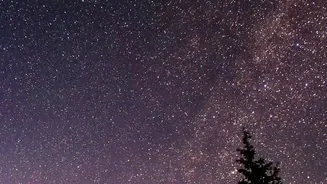

Embracing the Night
Noctourism, or night tourism, is a travel trend focused on activities that take place after dark. It’s a broad category that includes everything from nocturnal wildlife safaris and late-night city tours to swimming in bioluminescent bays. However, its
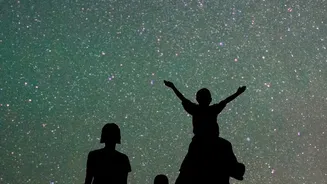
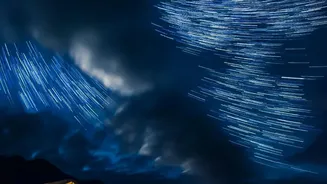
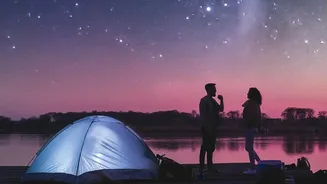
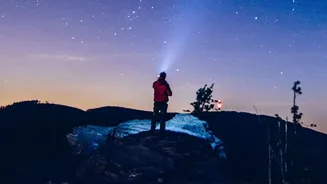
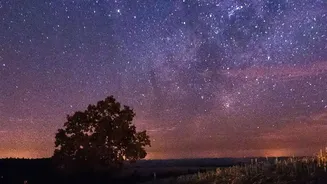
most powerful driver is astrotourism: travelling for the express purpose of admiring the night sky. A recent Booking.com survey found that 62% of travellers are now considering destinations that prioritise stargazing. This shift is fuelled by a desire to escape daytime crowds and rising temperatures, but it's also about a deeper search for wellness and a connection to the natural world that our light-polluted urban lives often deny us. In an age of over-tourism, the night offers a new, tranquil frontier.
The Stellar Appeal of Astrotourism
The boom in astrotourism is driven by several factors. As cities grow brighter, truly dark skies have become a rare and valuable commodity. This scarcity has led to the formal protection of certain areas, creating destinations where the cosmos can be seen in its full glory. Stargazing also offers profound wellness benefits; studies show that contemplating the vastness of the universe can reduce stress, foster mindfulness, and inspire a sense of awe. It’s a form of 'slow travel' that encourages a digital detox and a reconnection with our surroundings. For many, it’s about experiencing a destination in a more meaningful way, where the main attraction is simply looking up.
India's Celestial Hotspots
India, with its diverse geography, offers some incredible opportunities for noctourism. The undisputed crown jewel is the Hanle Dark Sky Reserve in Ladakh, India's first officially designated sanctuary for pristine night skies. Located at an altitude of 4,500 metres, its dry, clear air and near-zero light pollution provide breathtaking views of the Milky Way. Beyond Hanle, other parts of Ladakh like Nubra Valley and Pangong Lake also offer exceptional stargazing. Spiti Valley in Himachal Pradesh is another high-altitude haven for astrophotographers, known for views of ancient monasteries set against a backdrop of billions of stars. For those seeking more accessible options, the Rann of Kutch in Gujarat offers the surreal experience of seeing stars reflected on the white salt desert, while places like Jaisalmer in Rajasthan and Mukteshwar in Uttarakhand provide darker skies relatively close to urban centres.
A Sustainable and Community-Focused Future
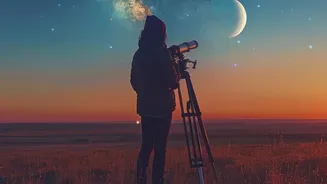
Noctourism is more than just a passing trend; it represents a move toward more sustainable and responsible travel. Astrotourism, in particular, has a low environmental impact and often supports rural economies by creating new income streams. In places like the Hanle Dark Sky Reserve, local communities are directly involved, with villagers trained as 'Astronomy Ambassadors' who guide visitors using telescopes. This approach not only provides local employment but also empowers communities to become stewards of their natural heritage. By placing economic value on darkness, these initiatives encourage the adoption of responsible lighting practices, which helps conserve energy and protect nocturnal wildlife. It's a form of tourism where the goal is to preserve the very resource that attracts visitors in the first place: the profound, silent beauty of the night sky.