






The Allure of the Quick Fix
Every year, a good monsoon can send waves of optimism through the Indian economy. Similarly, short-term stimulus measures—subsidies, tax rebates, and credit guarantees—often act as 'economic encouragement'. They feel good and can produce a temporary surge
in activity. Recent government budgets have focused heavily on capital expenditure to drive growth, which is a positive step. However, this approach often prioritizes immediate results over long-term stability. This reliance on public spending and fiscal boosts can create an illusion of strength while masking underlying weaknesses. When global headwinds like geopolitical tensions or volatile energy prices pick up, an economy built on encouragement alone is left exposed. The rush for quick growth often bypasses the slower, more arduous task of building a resilient economic foundation.
When the Downpour Overwhelms
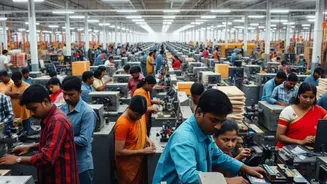
Consider the boom-and-bust cycles seen in various Indian sectors. From real estate to specific areas of manufacturing, a sudden influx of investment—the 'monsoon'—can lead to rapid expansion. But this growth is often brittle. Without the necessary 'structure' in place, such as streamlined regulations, a skilled workforce, and robust infrastructure, the boom quickly fades. Companies face bottlenecks in land acquisition, delays in environmental clearances, and a fragmented policy landscape that varies wildly between states. As a result, promising expansions can stall, leaving behind unfinished projects and wasted capital. The move away from agriculture-dependent cycles to ones driven by corporate investment has made the economy less volatile than in pre-reform eras, but these new cycles bring their own challenges. A surge in growth without the capacity to absorb it productively is not progress; it's a missed opportunity.
Building Canals, Not Just Praying for Rain
So, what does 'structure' actually mean? It’s not about stifling growth with bureaucracy, but channeling it effectively. Structural reforms are the canals and reservoirs that turn a seasonal downpour into a year-round resource. This includes simplifying India’s complex labour laws, which currently hinder the creation of large-scale formal employment. It means creating a truly unified market by ironing out the remaining complexities of the Goods and Services Tax (GST). It also requires a predictable and transparent regulatory environment for foreign investment, removing the 'gray zones' that force investors into costly workarounds, especially in crucial sectors like infrastructure. The government's recent focus on structural reforms over the past decade is a stated goal, with policies aimed at strengthening manufacturing and infrastructure. These are the essential, non-negotiable foundations for turning potential into prosperity.
A Blueprint for Sustainable Prosperity
The path forward requires a shift in mindset from short-term boosts to long-term resilience. A key priority should be deepening infrastructure investment, not just in headline-grabbing projects like highways and metros, but in the logistics and digital frameworks that support them. The PM GatiShakti National Master Plan is a move in this direction, aiming to integrate infrastructure planning. Furthermore, expanding the official definition of 'infrastructure' to include emerging green technologies like EV charging and green hydrogen facilities would unlock cheaper, long-term financing. Enhancing the ease of doing business must move from a slogan to a reality on the ground, tackling the delays in approvals that stall projects. Finally, a renewed focus on education and vocational training is critical to ensure that India’s demographic dividend doesn’t become a liability due to a lack of skilled workers for high-value industries.