






From Aesthetics to Ability
For decades, mainstream fitness was dominated by cardio, with the primary goals often revolving around weight loss. Today, the conversation has changed. There is a growing understanding that true fitness is less about the number on a scale and more about 'healthspan'—the
years of life spent in good health and with full functional ability. Strength training has become the cornerstone of this philosophy. It's about building a body that can handle the demands of everyday life with ease, whether that means carrying groceries, playing with grandchildren, or remaining independent well into old age. This move towards functional fitness is reshaping gyms, which are now dedicating more space to free weights and functional training zones to meet the demand from a diverse new audience, including more women and older adults.
The Science of a Stronger Life
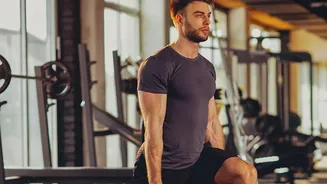
The benefits of resistance training go far beyond simple muscle growth. By stressing your bones through exercises like squats and lunges, you stimulate bone growth, which increases density and reduces the risk of osteoporosis, a condition that makes bones fragile. This is particularly crucial as we age. Strong muscles also act as a support system for our joints, improving stability, enhancing posture, and reducing the risk of injury and chronic pain from conditions like arthritis. Furthermore, muscle is metabolically active tissue. Building more of it boosts your resting metabolism, meaning your body burns more calories even when you're not exercising, which is a powerful tool for long-term weight management.
A Workout for Your Mind
The positive effects of strength training are not just physical. Research increasingly shows a powerful link between resistance exercise and improved mental health. The act of lifting weights triggers the release of endorphins, dopamine, and serotonin, neurotransmitters that promote feelings of well-being and can significantly boost your mood. Studies have found that regular strength training can reduce symptoms of anxiety and depression, in some cases as effectively as medication or therapy. Beyond the chemical boost, there's a profound psychological benefit. Mastering a new lift or feeling your strength increase builds self-efficacy and confidence that carries over into all areas of life.
Strength Knows No Age
One of the most significant trends is the adoption of strength training by older adults. After the age of 30, we naturally begin to lose muscle mass, a condition called sarcopenia, which can lead to frailty and a higher risk of falls. Resistance training is the most effective way to combat this decline. For seniors, it is a non-negotiable tool for maintaining independence. Building leg and core strength directly improves balance and reduces the risk of falls, a leading cause of serious injury in older populations. The good news is that it’s never too late to start, and even modest programmes can yield significant gains in strength, mobility, and overall quality of life.
How to Get Started
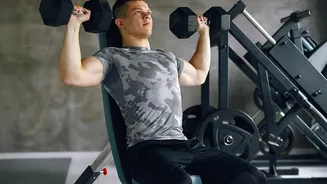
The idea of starting strength training can be intimidating, but it doesn't have to be. You don't need a fancy gym membership or heavy barbells. You can begin at home with your own body weight. Exercises like chair squats, wall push-ups, and lunges are excellent for building a foundation of strength. Resistance bands are another inexpensive and effective tool. The key is to start slow and focus on proper form. Aim for two to three sessions of 20-30 minutes per week. As you get more comfortable, you can gradually increase the challenge, whether by adding more repetitions or introducing light dumbbells. The most important step is the first one.