




First, Can You Even Get There?
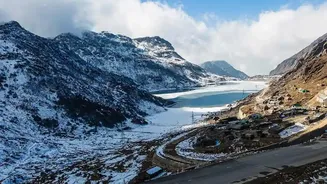
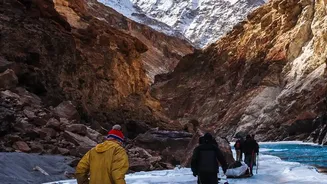
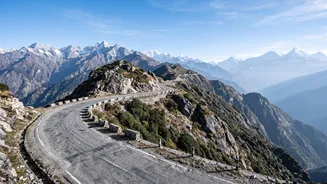
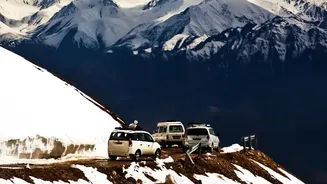
Winter transforms the Himalayas, and with that beauty comes the practical challenge of access. Many high-altitude roads, including the iconic Manali-Leh and Srinagar-Leh highways, typically close from late autumn until late spring due to heavy snowfall.
This means destinations like Ladakh become fly-in only, and even within regions like Himachal Pradesh and Uttarakhand, popular spots can become temporarily isolated. Before booking anything, your first check should always be the current and expected road status for your destination. Key internal roads like the ones to Nubra Valley (via Khardung La) and Pangong Tso (via Chang La) in Ladakh are kept open by the Border Roads Organisation, but can still face temporary closures. It's wise to check the social media pages of district police or the Deputy Commissioner's office for the most reliable updates, as they issue the final word on transit. Always factor in buffer days to account for potential delays caused by weather.
Decoding Your Heating Options
Staying warm is not a luxury in the Himalayas; it is a necessity. Accommodations offer a range of heating solutions, and understanding them is key. Many traditional homestays and guesthouses rely on the 'bukhari', a wood or coal-fired stove that provides intense, focused heat. While incredibly effective and cosy, they require proper ventilation to prevent the risk of carbon monoxide accumulation. Hotels in more developed areas may have electric heaters or blowers, but be aware that electricity supply in the mountains can be erratic, especially during heavy snowfall. More upscale hotels might feature central heating, which is the most reliable option but is far from standard. A growing number of eco-conscious properties are also using solutions like infrared heaters, which are safer in thin air, or are built with traditional insulation techniques using wood and mud walls to naturally retain warmth. Always ask your host for specific details on the primary heating source in your room versus common areas.
The Hotel vs. Homestay Dilemma
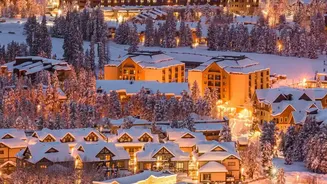
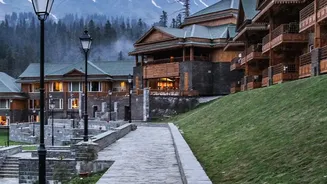
Your choice between a hotel and a homestay will define your winter experience. Hotels generally offer more standardized amenities like 24/7 power backup, consistent hot water, and potentially more robust heating systems. They can be a reliable choice if guaranteed comfort is your top priority. Homestays, on the other hand, offer a portal into the local way of life. Staying with a family provides an unparalleled cultural immersion—sharing home-cooked meals, listening to stories, and understanding how communities thrive in harsh conditions. A winter homestay experience often centres around the kitchen, the warmest room in the house, which becomes a social hub. While amenities might be simpler, the warmth of the hospitality is often a highlight. Many homestays are now listed on platforms and offer a good balance of comfort and authenticity.
Putting Local Support First
Choosing your stay is also an economic decision that directly impacts the mountain communities. Opting for locally-owned and operated homestays, guesthouses, and lodges ensures that your money stays within the local economy. This is a cornerstone of responsible tourism. Community-based tourism initiatives not only provide income for families but also empower them, create local jobs, and fund conservation efforts. When you book a homestay, hire a local guide, or buy local handicrafts, you contribute to a sustainable model that helps preserve both the culture and the environment. This approach fosters a deeper connection with the place you are visiting, transforming you from a mere tourist into a welcome guest. Many such initiatives were started to create alternative livelihoods and reduce human-wildlife conflict, making your stay part of a larger conservation story.
Your Pre-Booking Checklist
Before you confirm your winter Himalayan retreat, run through these essential questions with your potential host. This simple check can save you from significant discomfort and disappointment. First, confirm the property is open and accessible during your specific travel dates. Ask about the primary heating source for your room and whether it's available 24/7. Inquire about the power backup situation, as electricity can be unreliable. Verify the availability of running hot water—is it solar-heated (less effective on cloudy days) or geyser-based? Confirm the exact road status and whether you'll need a 4x4 vehicle for the last-mile approach. Finally, ask if the property is locally owned and operated. A few clear questions upfront are the best way to ensure your chosen stay matches your expectations for comfort, safety, and responsible travel.