



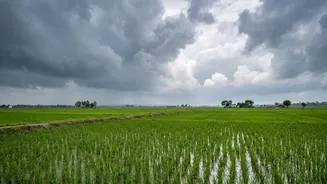
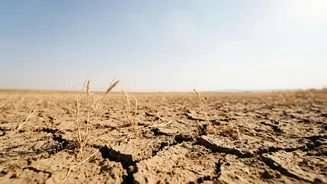
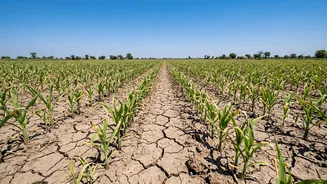
An Uneven and Deficient Monsoon
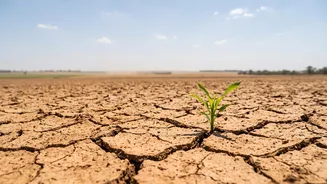
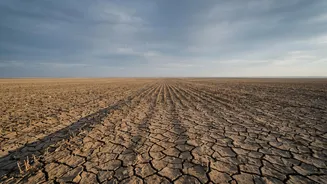
The Southwest Monsoon, often called India's true finance minister, has been erratic in 2026. After a severely dry June, rainfall picked up in July but faltered again in August, which was the warmest and one of the driest since 1901. As of the end of August, the cumulative
rainfall deficit for the season stood at around 14%, with the India Meteorological Department (IMD) forecasting below-normal precipitation for September as well. The shortfall is not uniform. While some parts of central India received good rains, key agricultural belts in southern and eastern India have faced significant deficits. States like Bihar, along with regions in Karnataka, Telangana, and Maharashtra, have been particularly affected. This uneven distribution is a major concern, as even a normal national average can hide severe regional distress that impacts specific crops.
Kharif Crops Under Pressure
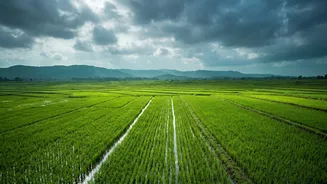
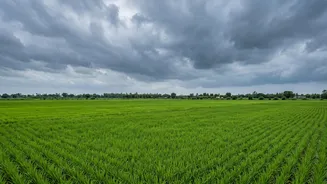
The timing and spread of monsoon rains are critical for India's kharif (summer) crops, which are sown in June and July. The initial slow start to the monsoon delayed sowing, and the subsequent dry spells are now creating moisture stress as crops enter a crucial growth phase. As of late August, the total area sown under all kharif crops was trailing the previous year. Paddy (rice), the main summer crop, has seen a decline in acreage of over 3%, primarily due to deficient rains in states like Karnataka and Telangana. Other vital crops such as pulses, coarse cereals, and oilseeds also face uncertainty. Poor rainfall in September could not only reduce the yields of these standing crops but also impact the soil moisture necessary for the upcoming rabi (winter) planting season, potentially affecting wheat and rapeseed.
The Reservoir Cushion Isn't Enough
India's reservoirs, which provide a crucial buffer against a weak monsoon by supplying water for irrigation, are not as full as they were last year. According to the latest data from the Central Water Commission, the live storage in India's major reservoirs was significantly below the levels recorded during the same period in 2025 and was also below the ten-year average. While July's rains helped replenish reservoirs from a very low starting point, the weak August rainfall has stalled progress. This lower water availability could limit the ability to support crops through irrigation, particularly in rain-fed areas that are most vulnerable to a monsoon deficit. The southern region, which has seen a significant rainfall deficit, also has reservoir levels well below last year's capacity, compounding the agricultural stress there.
The Ripple Effect: Inflation and the Economy
A shortfall in agricultural production has a direct line to inflation. Lower output of essentials like rice, pulses, and vegetables can quickly lead to higher food prices, which heavily influences India's overall retail inflation. Economists have warned that a weak monsoon is a primary risk to the inflation outlook. Some estimates suggest that a significant rainfall deficit could add a full percentage point to headline inflation. Food inflation had already begun to accelerate in recent months, and a poor harvest would add further pressure. This complicates the job of the Reserve Bank of India, which has been trying to keep inflation in check. Beyond prices, reduced farm output also means lower incomes for a vast rural population, which can dampen consumer demand and slow down broader economic growth.