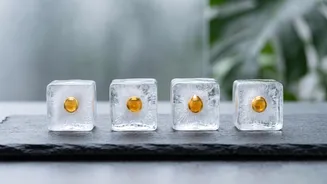


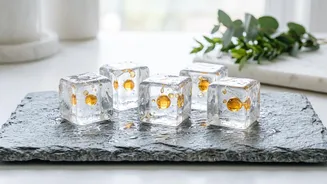
The social media beauty world is buzzing with a frosty new hack: DIY retinol ice cubes. The trend promises a glowing, de-puffed complexion, but is combining a potent active with direct ice application a brilliant innovation or a recipe for irritation?
The Allure of Skin Icing
The core idea behind this trend stems from 'skin icing' or cryotherapy, a practice that has been around for ages. The appeal is understandable. Applying cold to the skin causes blood vessels to constrict, which can temporarily reduce puffiness, calm inflammation, and give the skin a brighter, more toned appearance. For those waking up with puffy under-eyes or dealing with a red, angry blemish, a quick pass of an ice cube feels like an instant fix. Proponents claim this cold shock helps soothe skin, reduce the appearance of pores, and even help skincare products absorb better—though dermatologists note there's little scientific evidence for that last claim.
The Cold, Hard Truth About Direct Ice
Here's where the DIY trend starts to go wrong. Applying ice directly to your skin, without a protective barrier, is a major misstep that experts consistently warn against. The extreme cold can cause what's known as an ice burn or frostbite, damaging the skin's delicate barrier. This can lead to immediate redness, stinging, and numbness. With repeated use, the damage can become more significant, potentially causing broken capillaries—those tiny, web-like red lines—and stripping the skin of its natural oils, leading to dryness and flaking. People with sensitive skin, rosacea, or a compromised skin barrier are particularly at risk and should avoid direct ice application altogether.
What Happens When Retinol Meets the Freezer?
Adding retinol to the mix complicates things further. Retinol is a notoriously unstable ingredient, sensitive to light, air, and temperature. While some experts suggest refrigeration can extend the shelf life of certain retinoids, freezing is another matter entirely. Drastic temperature changes, like freezing and thawing, can destabilise the complex formula of a retinol serum or cream. This can not only render the active ingredient less effective but also alter the texture and consistency of the product. Essentially, you could be destroying the potency of your expensive retinol product before it even touches your face.
The Problem with DIY Formulations
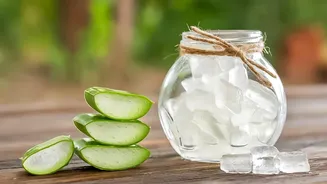
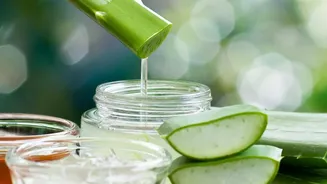
Many 'retinol' ice cube recipes circulating online don't even use actual retinol products. Instead, they call for freezing natural ingredients like cucumber or potato juice, claiming they are 'natural retinols'. While these ingredients contain vitamins, they are not retinol and do not provide the same powerful cell turnover and collagen-boosting benefits. Moreover, many DIY skincare recipes lack the preservatives needed to prevent bacterial growth, creating a risk of skin infections. Just because an ingredient is natural doesn't mean it's safe to apply indiscriminately, especially when frozen and rubbed directly onto your face.
A Safer Way to Get the Glow
If you want the de-puffing benefits of cold therapy without the risks, there are much safer methods. Dermatologists recommend wrapping an ice cube in a soft, clean cloth before gently massaging it over the skin. It's crucial to keep the ice moving and limit contact to no more than a minute or two to prevent irritation. A better alternative is to use tools designed for the job, like a stainless steel ice roller or globes kept in the fridge. These provide a sustained cooling effect without the harsh temperature shock of direct ice. For those understye bags, a simple chilled spoon can work wonders. These methods give you the temporary tightening and soothing effect without damaging your skin barrier.