





A New Step Before the Giant Leap
NASA has officially updated its roadmap for returning to the Moon, and the biggest change involves what was once the landing mission itself. Artemis III, previously slated to be the historic lunar landing, has been repurposed into a new demonstration
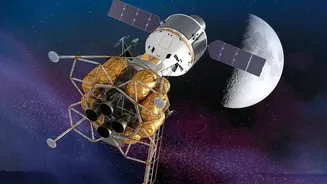
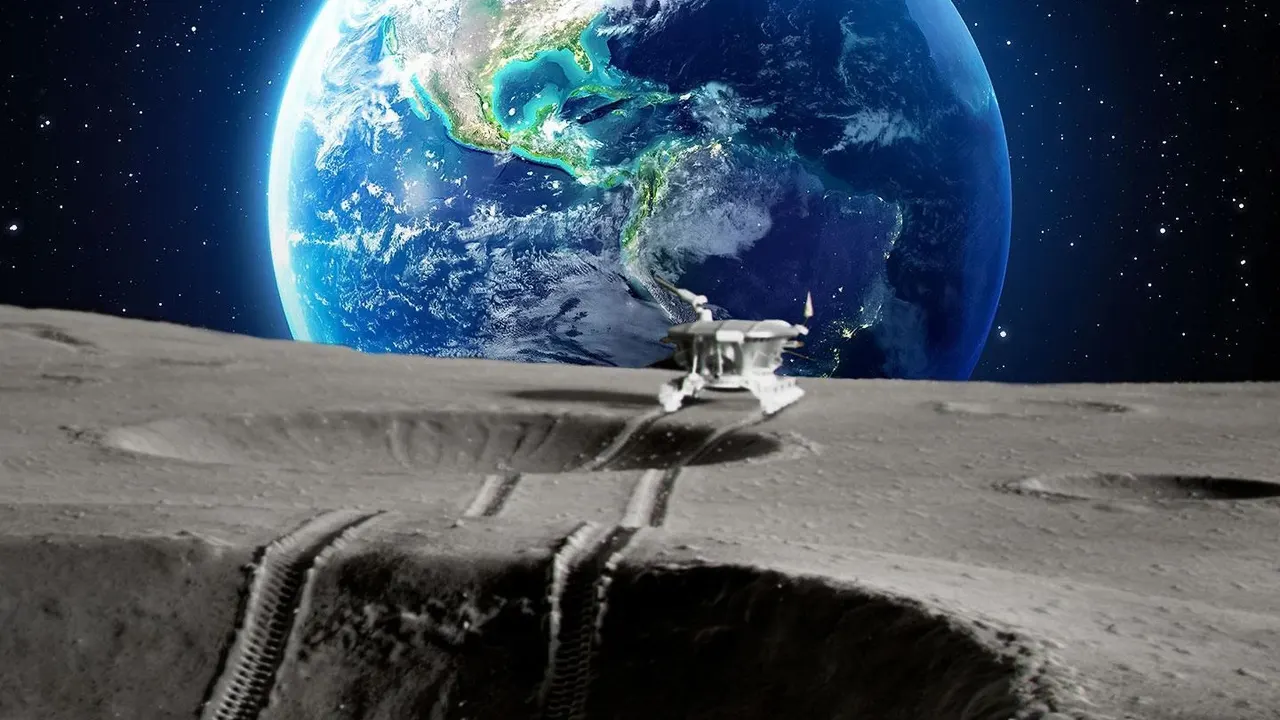
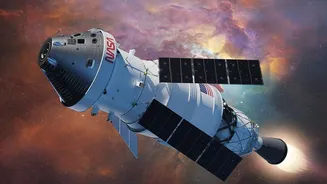
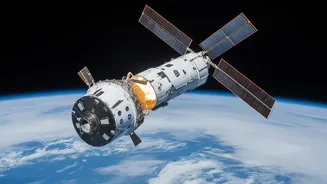
mission in low-Earth orbit, now scheduled for mid-2027. This new Artemis III will serve as a crucial dress rehearsal, allowing astronauts to test the rendezvous and docking capabilities between the Orion spacecraft and the commercial lunar landers being developed by SpaceX and Blue Origin. The actual landing on the Moon's south pole will now be the task of Artemis IV, targeted for 2028. This change reflects a deliberate strategy: test complex procedures and new hardware closer to home before attempting them nearly 400,000 kilometres away.
Learning from Experience
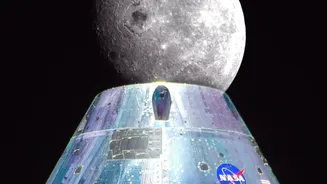
The decision to restructure the program stems from a clear-eyed assessment of the immense technical challenges. A key factor was the performance of the Orion spacecraft's heat shield during the uncrewed Artemis I mission in 2022. While the capsule returned safely, the heat shield experienced unexpected patterns of charring and material loss during its fiery re-entry. This prompted an in-depth investigation to understand the discrepancy between computer models and real-world performance. Rather than rush forward, NASA opted to give teams more time to analyze the data and refine procedures. In another move to reduce risk, NASA has also decided to launch the two main components of its future lunar-orbiting Gateway outpost together on a single rocket, eliminating a complex deep-space docking maneuver that would have been required under the old plan.
The Human Factor is Paramount
At the heart of these changes is an unwavering focus on astronaut safety. NASA Administrator Bill Nelson and other agency leaders have repeatedly emphasized that they 'will not launch until it's ready'. This philosophy drove the decision to add the orbital test flight. By allowing the crew of Artemis III to practice docking with lander test vehicles in the relative safety of Earth orbit, NASA can iron out procedures and build 'launch muscle memory' for flight controllers and astronauts alike. It's a recognition that complex operations, like rendezvousing multiple spacecraft and transferring crew, need to be perfected. This methodical approach aims to minimize the chances of a critical failure during the actual lunar landing mission, where rescue options are virtually non-existent.
Addressing the Lander Challenge
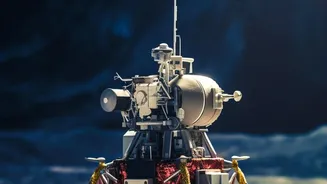
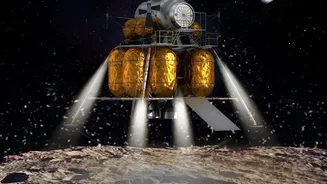
Another major risk factor involves the lunar landers themselves. Both SpaceX's Starship and Blue Origin's Blue Moon are revolutionary but unproven systems. A recent report from NASA's Aerospace Safety Advisory Panel (ASAP) highlighted the 'unprecedented' launch cadence required just to fuel the landers in orbit. For example, some estimates suggested that SpaceX might need numerous tanker flights to fuel its Starship for a single lunar mission, a complex logistical feat that introduces many potential points of failure. The new Artemis III mission provides a platform to test these landers and their critical systems, including life support and communications, without the added pressure of a lunar landing. NASA has updated its contracts with both companies to include more milestones, giving the agency better insight into their development and enhancing overall safety.