

The Delicate Dance of Nutrients and Heat
When you cook vegetables, you're introducing two main factors that affect their nutritional content: heat and water. Many of the most beneficial compounds in leafy greens, such as Vitamin C and a group of antioxidants called polyphenols, are both heat-sensitive
and water-soluble. This means they can be easily damaged by high temperatures or can leach out of the vegetable and into the cooking water. The goal of any healthy cooking method is to strike a balance—cooking the greens long enough to make them tender and flavourful, but gently enough to keep their rich nutritional profile intact. Overcooking is the primary enemy, regardless of the method, as longer exposure to heat and water leads to greater nutrient loss.
Steaming’s Gentle and Protective Embrace
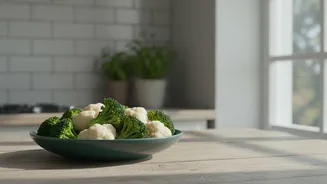
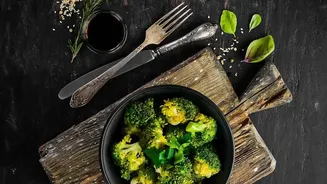
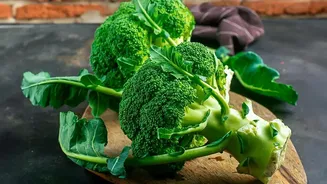
Steaming cooks food using the hot vapour from boiling water, rather than placing the food directly in it. This fundamental difference is why it stands out. Since the vegetables are not submerged, the water-soluble vitamins have nowhere to go. This method dramatically reduces the loss of key nutrients. Studies have shown that steaming is particularly effective at preserving Vitamin C and other antioxidants. For example, research has demonstrated that steaming broccoli helps retain its antioxidants far better than other methods. One study found that microwaved broccoli lost a staggering amount of its antioxidant content, while steaming only resulted in a minimal 11 percent loss. This gentle cooking process also helps maintain the vegetable's natural colour, texture, and flavour, making your meal more vibrant and enjoyable.
Steaming Versus Boiling: A Clear Winner
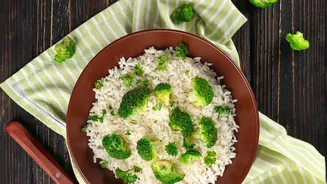
Boiling is one of the most common ways to cook vegetables, but it's also one of the harshest from a nutritional standpoint. When you boil greens, you are creating a perfect environment for nutrients to escape. Studies consistently show that boiling leads to a significant loss of Vitamin C, B vitamins like folate, and polyphenols. The nutrients simply dissolve into the surrounding water, which most people then discard. One analysis found that boiling broccoli could result in a vitamin C loss of over 50%, whereas steaming the same vegetable led to a loss of only around 14%. While you can reclaim some of these nutrients by using the cooking water in a soup or gravy, most of the time they are lost forever. Steaming avoids this issue entirely, keeping the nutrients locked within the vegetable where they belong.
How Does It Compare to Sautéing and Microwaving?
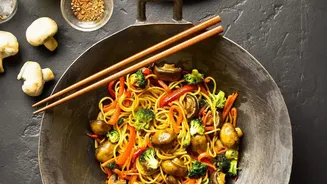
Sautéing and stir-frying involve high heat, which can be detrimental. While quick, the high temperatures can degrade heat-sensitive vitamins and antioxidants. Frying has been shown to cause a substantial loss of beneficial compounds in vegetables like broccoli. Microwaving, on the other hand, is a more complex story. Because it uses minimal water and cooks very quickly, some studies suggest it is excellent for nutrient retention, sometimes even outperforming steaming for certain vitamins in specific vegetables. However, results can be inconsistent depending on the vegetable and the power of the microwave. Steaming remains a more consistently reliable and gentle method across the board, especially for delicate leafy greens. It provides a more even, gentle heat without the intensity of a frying pan or the variability of a microwave.
Tips for Perfect, Nutrient-Packed Steamed Greens
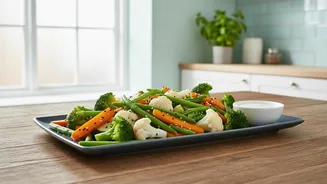
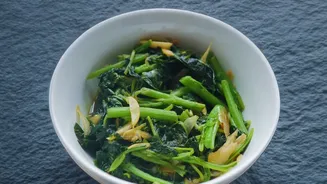
To get the most out of steaming, the key is to not overdo it. You are aiming for a crisp-tender texture, not a mushy pile. The greens should be bright and vibrant, which is a visual cue that they have retained much of their nutritional value. For most leafy greens like spinach or kale, a few minutes is all it takes. For denser greens like broccoli or green beans, aim for about five to seven minutes. You don't need a fancy gadget; a simple metal or bamboo steamer basket placed inside a pot with a small amount of water will work perfectly. And remember, while steaming is a fantastic method, the most important thing is to eat your greens. Any cooked vegetable is almost always better than no vegetable at all.