



Building the Rockets: Launch Vehicle Careers
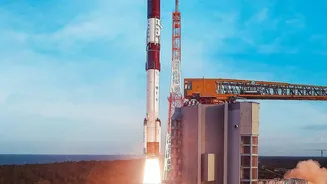
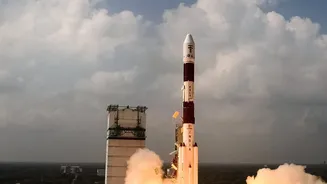
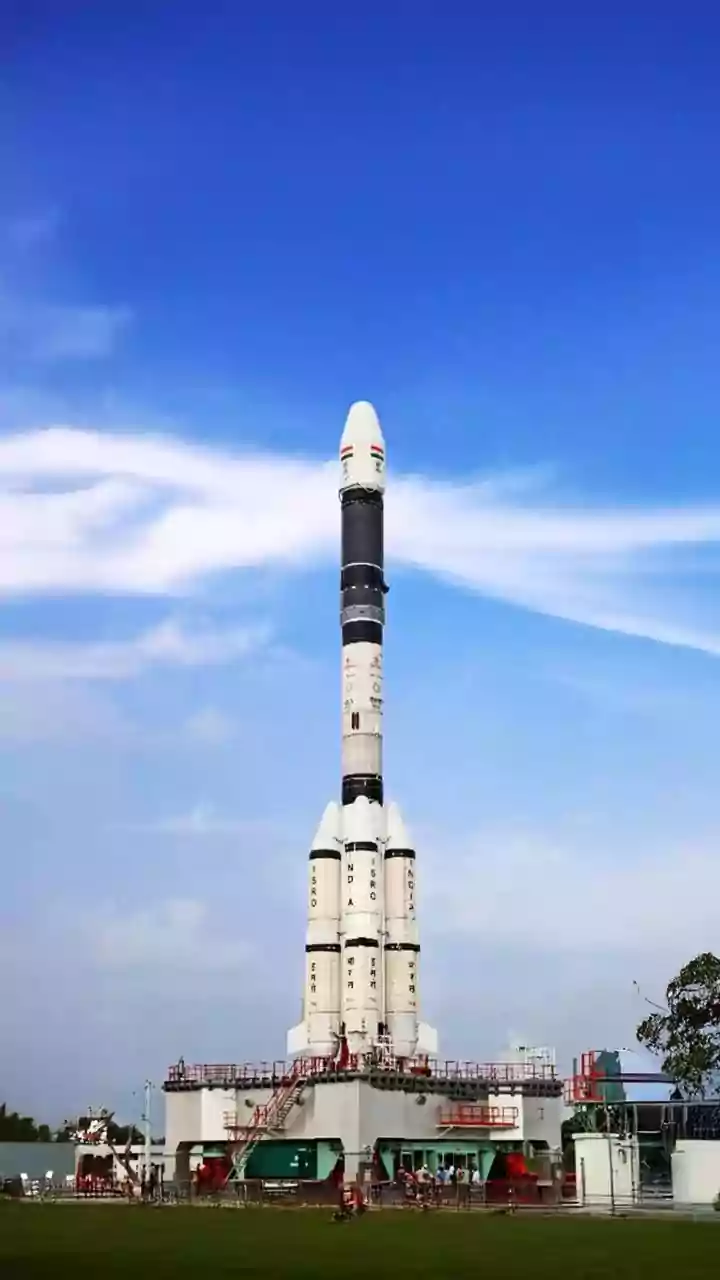
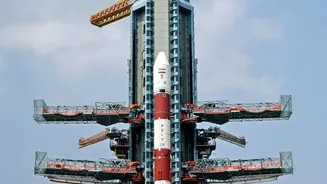
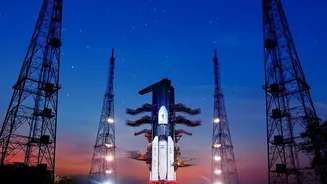
The most visible part of the space race is the rocket itself, and India's private sector is jumping in. Companies like Skyroot Aerospace and Agnikul Cosmos are developing their own launch vehicles, creating a demand for a wide range of engineers. These
are not just roles for aerospace specialists. There's a need for propulsion engineers with expertise in cryogenics and fluid dynamics, structural engineers who work with advanced materials like carbon composites, and avionics experts who design the guidance, navigation, and control (GNC) systems. As these companies focus on building reusable and 3D-printed rockets, they are hiring mechanical, manufacturing, and test engineers who can work in fast-paced, hands-on environments.
The Satellite Boom: Design, Manufacturing, and Ops
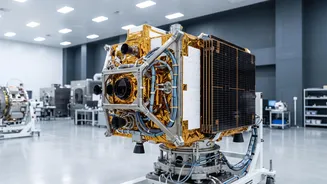
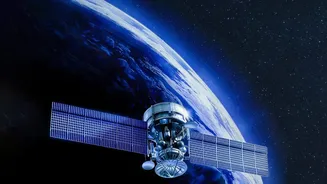
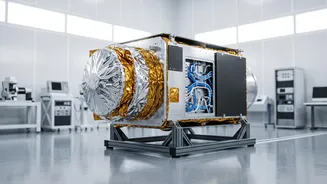
With private companies planning to launch hundreds of satellites in the coming years, the demand for satellite engineers is surging. This field is breaking down into several specialities. Satellite Systems Engineers oversee the entire design and integration process. Payload Engineers focus on the specific instruments the satellite carries, such as hyperspectral cameras for earth observation. Other critical roles include AOCS (Attitude and Orbit Control Systems) engineers who manage the satellite's position in space, thermal engineers, and power systems specialists. Companies like Dhruva Space and Pixxel are actively hiring for these positions, which involve everything from initial design to assembly, integration, and testing (AIT).
Data is the New Gold: Downstream Applications
Perhaps the largest area of job growth isn't in building hardware, but in using the data it collects. This is known as the downstream sector. Earth observation satellites generate immense amounts of data used in agriculture, disaster management, urban planning, and finance. This has created a huge need for data scientists, GIS analysts, and remote sensing engineers. Companies like SatSure and Pixxel hire experts who can write machine learning algorithms to analyze satellite imagery, providing valuable insights to clients. This is where a background in computer science, environmental science, or even agriculture can be a direct path into the space industry.
Software and Control: The Brains of the Mission
Modern space missions run on complex software. Aerospace software engineering is one of the fastest-growing tracks because it bridges the gap between hardware and applications. These jobs involve developing on-board flight software, mission control systems for ground stations, and autonomous navigation algorithms. Strong skills in coding languages like C++ and Python, along with experience in embedded systems, are highly sought after by almost every space company, from launch providers to satellite operators. These roles are critical for ensuring that every part of a mission communicates and operates correctly.
The Support Ecosystem: Beyond Engineering
As the number of space startups in India crosses 400, the need for non-technical roles is also expanding rapidly. These companies require business development managers, product managers, marketing strategists, and finance professionals to help them scale. Furthermore, the opening of the sector has created a new field for legal and policy experts. Professionals are needed to navigate international space treaties, domestic regulations set by bodies like IN-SPACe, licensing, and issues like space debris management. These support roles are essential for transforming engineering innovations into viable commercial businesses.