



The Soothing Power of Soup
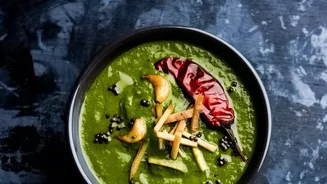
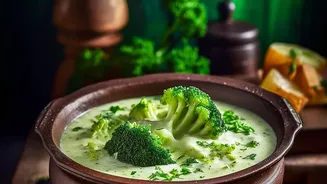
A warm bowl of soup is like a hug from the inside, making it a monsoon essential. Simple, home-cooked soups made from tomato, mixed vegetables, or lentils are not only comforting but also packed with nutrients. According to Ayurvedic tradition, warm and
cooked foods are easier on the digestive system, which can be sluggish during this season. Adding immunity-boosting spices like ginger, garlic, and turmeric can help your body fight off common seasonal infections. A simple tomato rasam or a hearty dal shorba provides hydration, warmth, and essential vitamins all in one go.
A Cup of Immunity: Kadha and Herbal Teas
No monsoon season feels complete without the ritual of sipping on a hot beverage while watching the rain. While masala chai is a classic, herbal concoctions or 'kadha' are particularly beneficial. A simple brew of tulsi, ginger, black pepper, and cinnamon in warm water is a traditional remedy known to boost immunity and soothe a sore throat. These spices have anti-inflammatory and antimicrobial properties, which are especially helpful when colds and flu are common. Even a simple cup of ginger tea or green tea can provide antioxidants and warmth.
The Ultimate Comfort Food: Khichdi
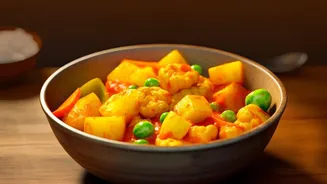
Khichdi is widely regarded as one of the best meals for the monsoon. This simple dish of rice and lentils is light, easy to digest, and incredibly nourishing. It provides a balanced mix of carbohydrates and protein, giving you sustained energy. You can easily enhance its nutritional value by adding seasonal vegetables. Topped with a spoonful of ghee, it becomes the ultimate comfort food that is gentle on your stomach, which is important when digestion can be weaker during the humid months.
Steamed Snacks Over Fried
The craving for fried snacks like pakoras is almost universal during the monsoon. However, heavy, oily foods can be hard to digest. Healthier alternatives that are just as satisfying include steamed snacks. Dishes like dhokla, which is made from fermented gram flour, are light, savoury, and protein-rich. Similarly, moong dal chilla, a savoury lentil pancake, can be made with minimal oil and is packed with protein and fibre. These options give you the satisfaction of a special monsoon treat without the heaviness of deep-fried food.
Warming Breakfasts: Poha and Upma
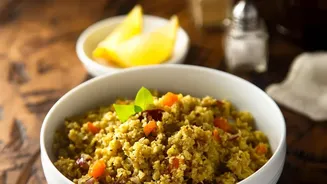
Starting your day with a warm, light meal can set a positive tone for a gloomy monsoon day. Poha (flattened rice) and upma (savoury semolina) are excellent breakfast choices. Both are quick to prepare and easy to digest. You can load them with vegetables like peas and carrots, and season them with mustard seeds, curry leaves, and a pinch of turmeric. These dishes provide steady energy without feeling heavy, making them ideal for the humid weather.
Embrace Bitter and Seasonal Vegetables
Traditional Indian wisdom suggests including bitter vegetables like karela (bitter gourd) and methi (fenugreek) in your monsoon diet. These vegetables are believed to support liver function and have natural antimicrobial properties that help prevent infections. While their taste can be an acquired one, cooking them with spices can make them more palatable. Other seasonal vegetables like pumpkin and gourds are also great choices. Ensure all vegetables are washed thoroughly and cooked well to avoid waterborne infections.