





The New Meaning of Comfort
For generations, comfort food in India meant rich, nostalgic dishes that were heavy on ghee, sugar, and refined flours. Think buttery dal makhani, flaky parathas, and syrupy gulab jamuns. These dishes are tied to memories of festivals, family gatherings,
and childhood treats. But today, the definition of 'comfort' is evolving. It's no longer just about emotional satisfaction; it’s about physical well-being, too. The modern Indian consumer is asking a new question: Can my comfort food also be good for me? The answer, increasingly, is a resounding yes. This isn't about deprivation or bland 'health food'. It's an upgrade—a conscious choice to make the food we love, love us back.
The Great Grain Swap
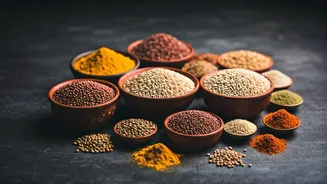
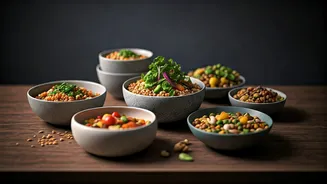
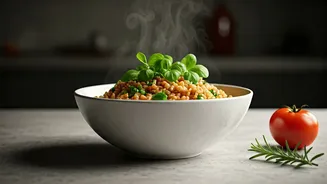
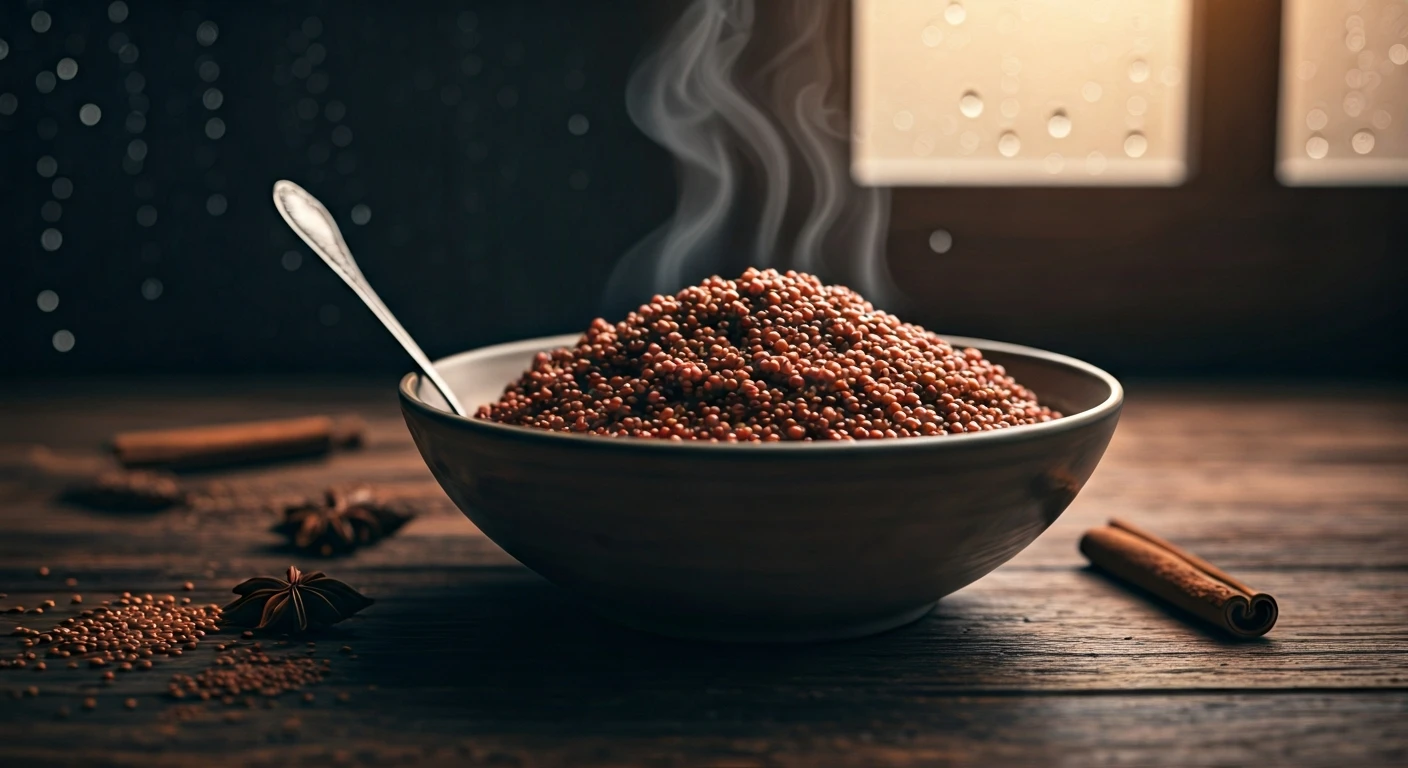
The most significant change is happening in our pantries. Refined maida and polished white rice are making way for a host of nutrient-dense alternatives. Millets, the ancient grains of India, are leading the charge. Foxtail, ragi, and jowar are appearing in everything from dosas and idlis to upma and even pizza bases. A fluffy millet biryani or a ragi-crust pizza offers the same satisfying experience with added fibre, protein, and a lower glycemic index. Similarly, whole wheat (atta) is reclaiming its territory from maida in breads, pastas, and baked goods. Brands and home cooks are creating noodles from whole wheat and cakes from almond flour, proving that you don't need refined carbs to create delicious textures.
Snacking Gets a Smart Makeover
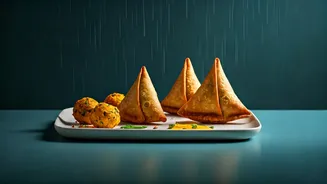
What's an Indian evening without a hot snack and a cup of chai? Unfortunately, our most beloved snacks—samosas, pakoras, and kachoris—are traditionally deep-fried and calorie-dense. The new wave of comfort food addresses this head-on. The air fryer has become a kitchen staple, turning out crispy, golden snacks with a fraction of the oil. Baked samosas with fillings like spiced lentils or mixed vegetables are now common in modern cafes and home kitchens. Even traditional chakli and sev are being made with multi-grain flours and baked instead of fried. The focus is on retaining the crunch and flavour we crave, but ditching the greasy aftermath, making our favourite teatime ritual a more regular, guilt-free pleasure.
Sweetness, Reimagined
India's love for sweets is legendary, but so is our struggle with the health effects of refined sugar. The wellness-focused comfort food trend tackles this by embracing natural, traditional sweeteners. Jaggery (gur) is at the forefront, lending its earthy, mineral-rich sweetness to everything from ladoos and payasams to modern granola bars and cakes. Dates, with their natural fibre and caramel-like flavour, have become a popular base for 'sugar-free' energy balls and brownies. Other alternatives like coconut sugar and stevia are also gaining traction. This shift allows us to enjoy a decadent dessert, like a gajar ka halwa made with jaggery and a touch of ghee, feeling nourished rather than suffering a sugar crash.
The Rise of Mindful Ingredients
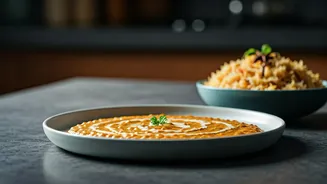
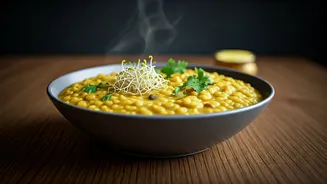
Beyond swapping out 'bad' for 'good', this trend is about a deeper awareness of where our food comes from. There's a growing preference for 'clean label' products—those with short, recognisable ingredient lists, free from artificial preservatives, colours, and flavours. People are choosing cold-pressed oils over refined ones, rock salt over processed table salt, and fresh, locally sourced produce. A simple bowl of dal tastes profoundly different when it's made with organic, unpolished lentils and tempered with cold-pressed mustard oil and fresh spices. This movement isn't just about health; it's about flavour. Better ingredients simply taste better, elevating a simple home-cooked meal into a gourmet experience.