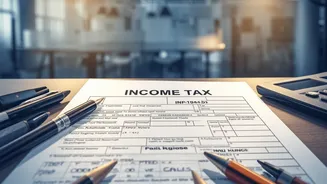









Why Verification is Your Best Friend
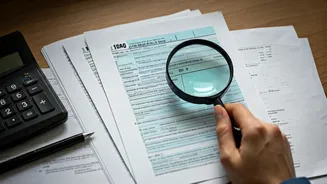
Submitting your ITR is not the final step; verifying it is. An unverified ITR is considered invalid by the Income Tax Department. [11, 12, 18, 20] If you file but forget to verify within the stipulated 30-day period, it’s treated as if you never filed
at all. [13, 18, 26] This can lead to penalties, loss of the ability to carry forward losses, and delays in receiving any tax refund you might be due. [7, 11] The consequences of incorrect filing can be even more severe, ranging from a defective return notice to penalties of 50% for underreporting income and up to 200% for misreporting it. [6, 7, 8, 23]
Start with the Basics: Personal Details
It sounds simple, but a surprising number of errors occur in the personal information section. Meticulously check that your name, PAN, date of birth, mobile number, and email address are correct and match the details on your PAN card. [15, 21] Any discrepancy can cause processing delays. Also, ensure you provide the correct bank account number and IFSC code for the account where you wish to receive your refund. [15, 19, 23] All active bank accounts must be disclosed, not just your primary salary account. [17]
Choose the Right ITR Form
The Income Tax Department offers several ITR forms, and choosing the right one is critical. [5] For example, a salaried individual with no other income source might use ITR-1 (Sahaj). However, if you have income from capital gains (like selling stocks or mutual funds) or have more than one house property, you may need to file ITR-2. [14, 17] Filing with the wrong form will result in your return being treated as 'defective', requiring you to file a corrected return. [6, 13, 23, 24]
Cross-Check Income with AIS and Form 26AS
Before you begin filing, download your Annual Information Statement (AIS) and Form 26AS from the income tax portal. [3, 4, 28] These documents provide a consolidated view of all your financial transactions and taxes deducted at source (TDS) as reported to the tax department. [25] Carefully compare the income details in your Form 16 (from your employer), bank statements, and investment portals with the information in your AIS and Form 26AS. [13, 14, 28] Report all sources of income, including interest from savings accounts and fixed deposits, even if it seems minor. [15, 23] Discrepancies are a major trigger for tax notices. [13]
Claim Deductions, but Don't Overreach
Tax deductions under sections like 80C, 80D, HRA, and others can significantly reduce your tax liability. However, you must have legitimate proof for every deduction you claim. [5] This includes receipts for insurance premiums, investments, rent, donations, and school tuition fees. [4, 29] While you don’t need to submit these proofs with your return, you must keep them safe in case the department asks for them later. [5] Claiming deductions for which you have no proof can lead to penalties if your return is picked for scrutiny.
The Final Step: E-Verification
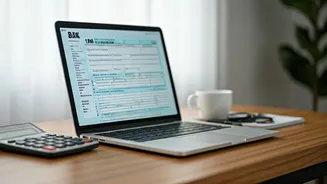
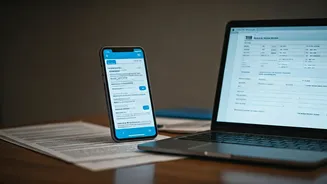
Once you've filed your return, you must complete the e-verification process. This is a crucial step that confirms your identity and the authenticity of the filed return. [10, 11] There are multiple ways to e-verify, with the most common being through an Aadhaar OTP sent to your registered mobile number. [2, 18] You can also use Net Banking or an Electronic Verification Code (EVC) generated through your pre-validated bank or demat account. [2, 11, 12] Remember, your ITR filing is only complete once it is successfully verified. [18, 20]