



The Energy Paradox in the Sunshine State
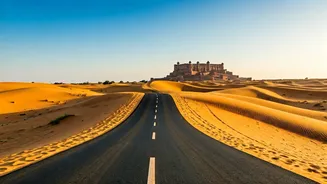
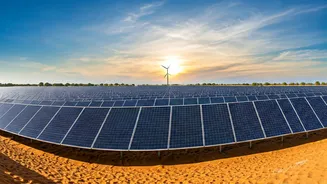
Rajasthan is India's renewable energy champion, boasting the highest installed solar capacity in the country. With over 325 sunny days a year, it's an ideal location for harnessing solar power. Yet, a peculiar problem exists: the state often struggles
with reliable power. Demand is surging due to industrialization and rising standards of living, with peak demand projected to rise significantly by 2030. This puts immense strain on an energy infrastructure that also contends with power cuts and unstable supply, particularly in rural and semi-urban areas that are the backbone of its tourism sector. Recent severe dust storms have further highlighted the grid's vulnerability, damaging transmission towers and causing significant renewable energy generation losses. This situation creates a paradox where a state rich in energy potential still grapples with energy insecurity.
Why Solar Isn't a Silver Bullet
While solar power is the obvious cornerstone of Rajasthan's energy strategy, it is not a complete solution on its own. The primary challenge is intermittency—solar panels only generate power when the sun shines. Demand, however, peaks in the morning and evening, when solar generation is low or non-existent. This mismatch forces reliance on coal-fired plants, which are difficult to shut down and restart daily, to manage evening demand. Furthermore, the massive expansion of solar generation has outpaced the development of transmission infrastructure. This creates bottlenecks where vast amounts of solar power are 'curtailed' or wasted during peak generation hours because the grid cannot handle it. This not only undermines the financial viability of solar projects but also fails to solve the core problem of round-the-clock power.
The High Stakes for Outdoor Tourism
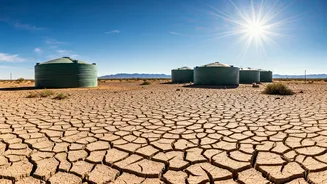
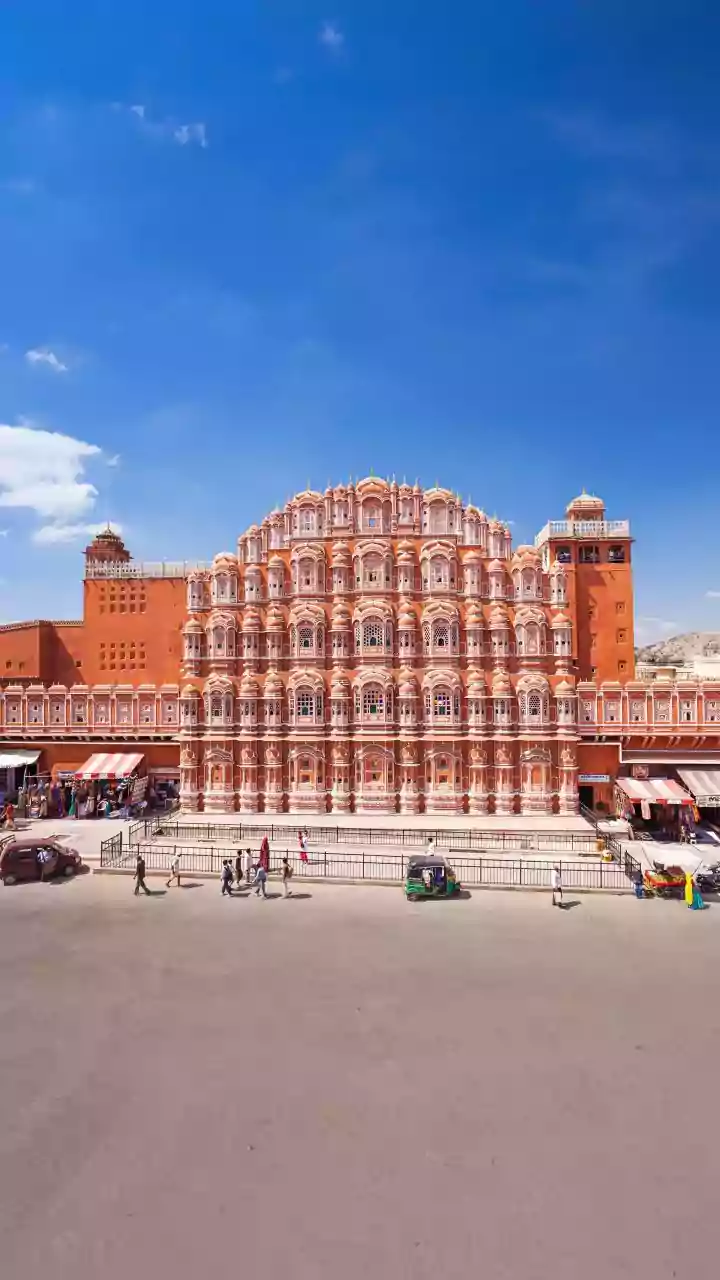
For Rajasthan's economy, which leans heavily on tourism, unreliable power is a direct threat. The 'outdoor' experience—from heritage hotels in converted forts to remote desert safari camps—depends on a consistent energy supply for everything from air conditioning to lighting and water pumps. Power cuts disrupt guest experiences, damage reputations, and increase operational costs for businesses forced to rely on expensive diesel generators. In a state already facing significant water scarcity challenges, where energy is crucial for water management, the stakes are even higher. A fragile energy grid puts the entire tourism value chain, a major source of employment and revenue, at risk.
Crafting Plan B: A Hybrid Future
The need for a 'Plan B' is not about abandoning solar, but augmenting it with a smarter, more resilient strategy. This multifaceted approach is already taking shape. A key component is the development of wind-solar hybrid projects, which pair the two technologies to provide a more consistent power supply, as wind often picks up when solar generation wanes. Another critical element is energy storage. Rajasthan is now actively promoting battery energy storage systems (BESS) and pumped hydro storage to capture surplus solar power generated during the day and release it during peak evening hours. The state's Integrated Clean Energy Policy for 2024 reflects this comprehensive vision, targeting a massive 125 GW of renewable capacity by 2030, including dedicated targets for hybrid systems and energy storage.
Power to the People: Decentralized Solutions
Perhaps the most innovative part of Plan B is the shift towards decentralized energy. Instead of relying solely on massive power plants and long transmission lines, Rajasthan is championing smaller, local solutions through schemes like PM-KUSUM. This program encourages farmers to install small-scale solar plants on their land, turning them from energy consumers into energy producers, or 'urjadatas'. These decentralized plants, located near the point of consumption, reduce transmission losses and improve grid stability in rural areas. This approach not only provides a reliable daytime power source for agriculture but also creates new income streams for rural communities, directly supporting the state's outdoor and rural tourism ambitions.