


The Sattvic Fast of the North
In North India, including states like Punjab, Delhi, and Uttar Pradesh, Navratri is primarily a period of fasting, or 'vrat'. The guiding principle is a sattvic diet, which means food that is pure, light, and easy to digest, promoting mental clarity for
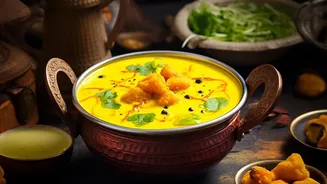
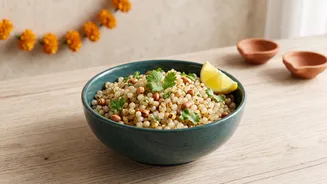
prayers. Onions, garlic, regular grains like wheat and rice, and common salt are avoided. Instead, the pantry is stocked with alternative flours like kuttu (buckwheat) and singhara (water chestnut), along with samak rice (barnyard millet). Meals are designed to provide sustained energy. Think of Kuttu ki Puri or Paratha, Sabudana Khichdi made with tapioca pearls, potatoes, and peanuts, and creamy Dahi Wale Aloo (potatoes in a yoghurt gravy). Rock salt, or sendha namak, is used for seasoning. The focus is on cleansing the body and building discipline through mindful eating.
The Energetic Feasts of the West
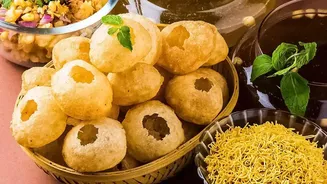
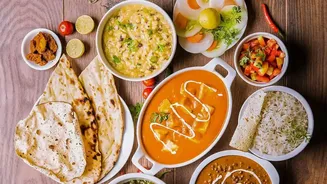
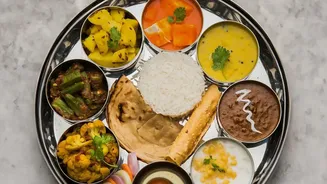
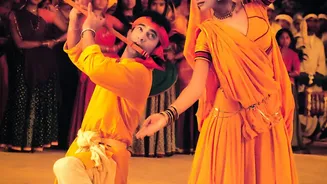
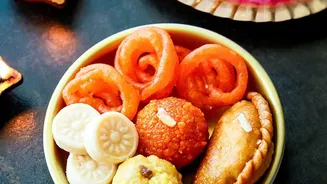
Travel west to Gujarat and Maharashtra, and while the fasting tradition continues, it fuels the high energy needed for Garba and Dandiya nights. In Maharashtra, sabudana takes centre stage. You'll find crispy Sabudana Vada and wholesome Sabudana Khichdi, which provide the perfect carbohydrate boost. The popular Navratri vrat thali often features an array of these dishes, sometimes including puris made from water chestnut flour and coconut chutney. In Gujarat, fasting meals, or 'farali' food, are common, with dishes like Rajgira Puri (made from amaranth flour). However, the state is also famous for its celebratory snacks. While not strictly fasting food for everyone, items like Fafda-Jalebi and Dhokla are an indispensable part of the festive landscape. The food here strikes a balance between devotional austerity and celebratory indulgence.
The Communal Bhog of the East
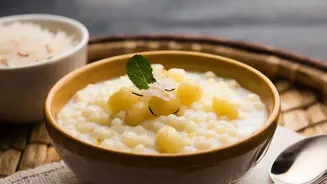
In Eastern India, particularly West Bengal, the nine days of Navratri are known as Durga Puja, and the culinary approach shifts from fasting to feasting. This is a time of communal celebration, and the highlight is the 'bhog'—a blessed meal offered to Goddess Durga and then distributed among devotees. While the bhog is vegetarian and cooked without onion or garlic (niramish), it is a rich and elaborate affair. The centrepiece is almost always Bhoger Khichuri, a delicious blend of roasted moong dal and gobindobhog rice. This is accompanied by a medley of side dishes like Labra (a mixed vegetable curry), Beguni (eggplant fritters), and a sweet and tangy tomato chutney. To end the meal, there's Payesh (rice kheer) and Mishti Doi (sweet yoghurt). It's a grand, communal meal that embodies the spirit of sharing and togetherness.
The Legume-Rich Prasadam of the South
Head south to Tamil Nadu, Karnataka, and Andhra Pradesh, and Navratri takes on another unique flavour. Here, the festival is famous for 'Golu' or 'Kolu', an elaborate display of dolls. While some may fast, the most prominent food tradition revolves around 'sundal'. Sundal is a simple yet nutritious dish made from boiled legumes like chickpeas, black-eyed peas, or green peas, which are then tempered with mustard seeds, curry leaves, and grated coconut. A different variety of sundal is prepared as 'prasadam' (a religious offering) on each of the nine nights and shared with guests who come to view the Golu displays. Alongside sundal, sweet dishes like Payasam (a sweet pudding similar to kheer) and various rice preparations without onion or garlic are also offered, making the southern celebration a delightful exchange of social visits and sacred flavours.