








What Surging Bookings Really Mean
Across India, the monsoon is no longer a quiet period for tourism. Destinations like Munnar, Mussoorie, and Lonavala have seen hotel bookings grow by as much as tenfold compared to last year. This trend, fueled by attractive hotel deals and a growing
desire for year-round travel, indicates which destinations are popular. It shows that places like Goa, Kerala, and hill stations in Himachal and Uttarakhand are top-of-mind for travellers seeking lush landscapes and cooler temperatures. However, this popularity primarily reflects demand and marketing success. It speaks to the destination's appeal, not necessarily its readiness for heavy tourist traffic during a season known for unpredictable weather.
The Reality Beyond the Resort Gates
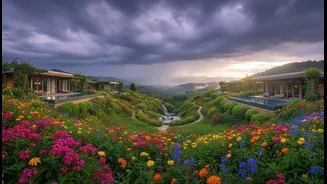
A confirmed luxury booking doesn't prevent external disruptions. The magic of a monsoon landscape—overflowing waterfalls and emerald hills—comes with inherent risks. Heavy rainfall can lead to landslides, flash floods, and blocked roads, particularly in hilly and coastal regions. Cities like Mumbai often experience severe waterlogging, causing major traffic and transport chaos. A beautiful drive in the morning can be an impassable route by evening. These logistical challenges can isolate even the most well-equipped hotels, potentially cancelling planned outdoor activities like treks or safaris and causing significant travel delays. Power outages and unreliable internet are also common issues in many areas during intense rains.
Your Pre-Booking Checklist
Before you commit, think like a seasoned traveller. The most crucial step is to check the hotel's cancellation policy. Given the monsoon's unpredictability, a flexible booking that allows for last-minute changes is a wise investment. Secondly, research the destination's specific monsoon risks. Hill stations are prone to landslides, so it's vital to check recent weather advisories and local news. Look at reviews that specifically mention monsoon conditions, paying attention to comments about accessibility, power backup, and drainage. Finally, confirm your booking directly with the hotel. A confirmation number from a booking platform is good, but a direct confirmation from the hotel itself is the ultimate proof that your reservation is secure in their system, preventing check-in nightmares.
Smarter Questions to Ask Your Hotel
Go beyond just asking for a room with a view. A few targeted questions can reveal a hotel’s true preparedness. Ask about their power backup system and its capacity; consistent electricity is not a given during storms. Inquire about in-house activities. Since outdoor plans can be washed out, knowing the hotel has a good spa, indoor games, or a well-stocked library can save your holiday. It's also critical to ask about the current road conditions and accessibility to and from the property. A proactive hotel should have up-to-date information on local routes. Don't forget to inquire about their kitchen's operational capacity during heavy rain and whether they offer a full menu, as supply chains can sometimes be disrupted.
Embracing a Flexible Monsoon Mindset
The key to a successful monsoon trip is flexibility. Build buffer time into your itinerary to account for potential delays with flights, trains, or road travel. Instead of a packed schedule, plan for a slower, more immersive experience. Pack smart with quick-drying synthetic clothes, waterproof footwear with good grip, and protective bags for your electronics. Carry a basic first-aid kit, insect repellent, and any necessary medications. By anticipating potential challenges and preparing for them, you shift your focus from a rigid plan to enjoying the serene, rain-washed beauty of India, whatever the weather brings.