







The High Price of a Global Ambition
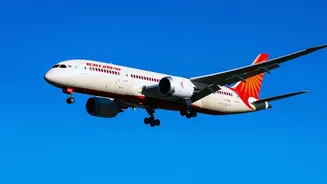
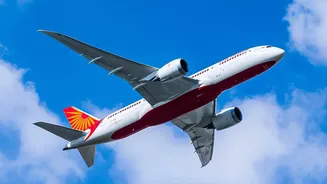
The headline loss figure is a direct result of the Tata Group's unprecedented investment in rebuilding Air India from the ground up. This isn't just a fresh coat of paint; it's a complete structural overhaul. The airline has a historic order for hundreds
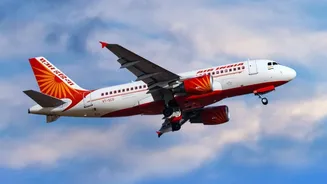
of new aircraft from Airbus and Boeing, a process that involves significant pre-delivery payments, leasing costs for interim jets, and preparing for their induction. Furthermore, Air India has committed hundreds of millions of dollars to refurbish its existing, aging wide-body fleet, a necessary step to compete with international rivals. Another major expenditure is a $200 million investment in overhauling its technology infrastructure, replacing legacy systems with modern platforms for everything from reservations to operations. These are not just expenses; they are foundational investments for future growth.
Decoding the Surge in Operating Costs
Several key factors are driving up day-to-day operating expenses. Aircraft maintenance and repair costs have risen, a natural consequence of operating an older fleet while awaiting new deliveries. Fuel costs, a major variable for any airline, have also been a significant pressure point. Beyond the hardware, there is the human element. Air India has been on a massive recruitment drive, hiring thousands of new pilots, cabin crew, and ground staff to support its expanding operations, which comes with substantial salary and training costs. The ongoing merger and integration of Vistara and AIX Connect (formerly AirAsia India) also adds layers of complexity and cost, from aligning salary structures and processes to integrating IT systems and work cultures.
A Loss Foreseen by Vihaan.AI
This period of heavy spending and reported losses was anticipated under Air India's five-year transformation plan, named 'Vihaan.AI'. The plan is structured in phases: the initial 'Taxi' phase focused on fixing basics, followed by the 'Take Off' phase for building platforms, and now the 'Climb' phase, which targets profitability. The current financial results fall squarely within this intensive investment period, where the focus is on growth and service enhancement, not immediate profitability. The airline is dramatically growing its fleet and network, revamping its customer service, and aiming to improve on-time performance—all of which require significant upfront capital before they begin to generate returns.
Merger Pains and Industry Headwinds
The integration of Vistara with Air India is one of the largest and most complex mergers in modern aviation. While the long-term goal is to create a single, dominant full-service carrier, the short-term reality involves significant one-time costs. These include harmonising work cultures, aligning complex IT systems, and standardising service protocols, all of which contribute to the bottom-line pressure. Adding to these internal challenges are external industry headwinds. The Indian aviation market is intensely competitive, and geopolitical issues can lead to longer, more expensive flight routes. While Air India's losses have reportedly narrowed compared to the previous year, showing early signs of progress, the path remains challenging.