

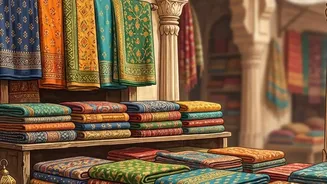
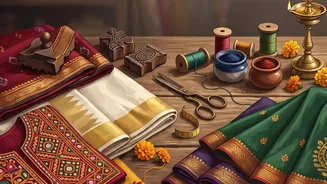
Day 1: Jaipur and the World of Block Printing
Arrive in Jaipur, Rajasthan’s bustling capital. The city itself is a treasure trove of handicrafts, but the real magic lies in the nearby villages of Sanganer and Bagru, the epicentres of Rajasthani block printing. Hire an auto-rickshaw or take a local
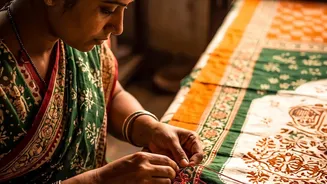
bus for a half-day trip. In Sanganer, about 16 km south of Jaipur, you'll find delicate floral motifs printed on fine white cotton backgrounds. This direct-print style is known for its intricate lines and is often used for bedsheets and light apparel. Bagru, about 30 km west, offers a more rustic experience with its mud-resist 'dabu' printing technique and use of natural dyes like indigo. The patterns here are bolder and more geometric, set against earthy backgrounds. Many workshops allow visitors to watch artisans at work, offering a firsthand look at this centuries-old craft. For budget travel, stick to local eateries and consider a guesthouse in the old city for an atmospheric stay.
Day 2: The Train Journey to Jodhpur
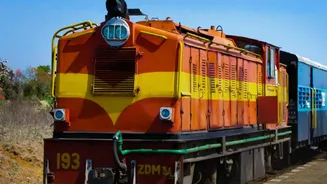
A journey on Indian Railways is an experience in itself. Book a morning train from Jaipur to Jodhpur to save on costs and enjoy the changing landscape. A seat in a chair car or a sleeper class berth offers an authentic and highly affordable way to travel between cities. The journey takes approximately five to six hours, getting you to Jodhpur by late afternoon. After checking into your hotel near the old city, spend the evening exploring the area around the Ghanta Ghar (Clock Tower). The market here is a chaotic, vibrant introduction to the Blue City, with vendors selling everything from spices to textiles. This is a great time to acclimatise and plan your exploration for the next day.
Day 3: Jodhpur’s Leather and Textile Crafts
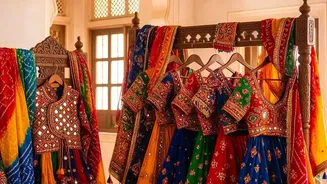
Jodhpur is renowned for its leather goods, especially the handcrafted 'mojari' or 'jutti' shoes. The lanes around Makrana Mohalla and the Clock Tower are filled with artisans cutting, stitching, and embroidering these beautiful leather shoes. Unlike machine-made footwear, traditional mojaris are often entirely handmade, with women in artisan families doing the exquisite embroidery. Besides leather, Jodhpur is a hub for textiles like 'bandhej' (tie-dye) and 'leheriya' (wave pattern), with Tripolia Bazaar being a great place to see these colourful fabrics. For a more organised craft experience, you can visit workshops in areas like Basni, known for its textile production, or Sambhali Boutique, which supports underprivileged women artisans. Opting for shared autos and walking are the best ways to navigate the narrow blue lanes of the old city on a budget.
Day 4: A Road Trip to Udaipur
For the journey from Jodhpur to Udaipur, a state-run or private bus is the most economical option. The ride takes around six to seven hours and cuts through the Aravalli hills, offering scenic views. While a private taxi allows for stops at places like the Ranakpur Jain Temple, the bus provides a more direct and wallet-friendly route. You will arrive in Udaipur, the 'City of Lakes', in the evening. Settle into a guesthouse in the area around Lal Ghat or Hanuman Ghat, which offer budget-friendly rooms with stunning lake views. An evening walk along the ghats or across the Daiji Bridge provides a peaceful and free introduction to the city's romantic atmosphere.
Day 5: Udaipur’s Artisan Village and Departure
Dedicate your final day to Shilpgram, a sprawling rural arts and crafts complex located just 3 km west of the city. It’s a living museum that showcases the lifestyles and crafts of tribal and folk communities from Rajasthan, Gujarat, Maharashtra, and Goa. You can wander through traditional huts, watch artisans demonstrate their skills—from pottery and weaving to metalwork—and buy directly from the creators. It’s an immersive experience that brings together the region's diverse artistic heritage in one place. After spending a few hours here, head back to the city to explore the local markets for last-minute souvenirs before catching an evening train or bus for your onward journey.