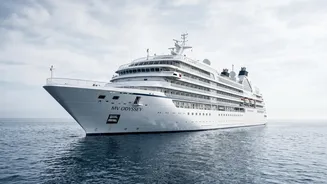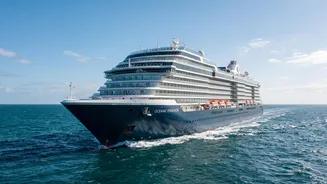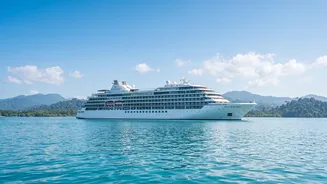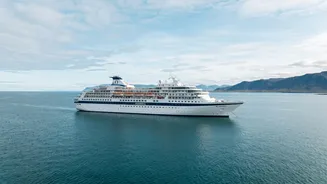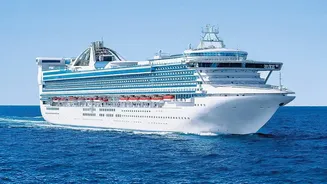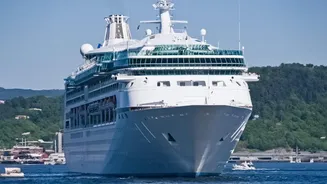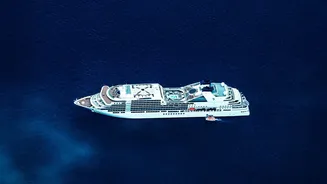





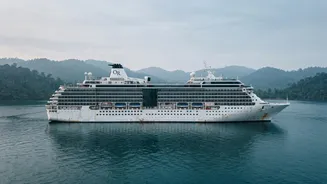
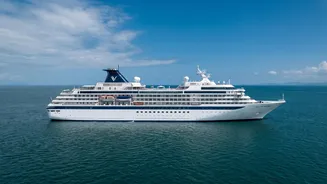
The dream of a perpetual life at sea has hit a harsh reality. The Villa Vie Odyssey, a residential cruise ship on a years-long global journey, has abruptly suspended operations, leaving residents stranded and a business fighting for survival.
A World Cruise Grinds to a Halt
For those
living aboard the Villa Vie Odyssey, the world was their oyster. The ship embarked in 2024 on a continuous global circumnavigation, promising to visit over 425 ports in 147 countries. But that journey came to an unexpected stop. In late October 2026, the company announced it was suspending operations, ordering more than 200 residents to disembark in Cambodia with only a few hours' notice. This wasn't just a cancelled port of call; it was a full operational shutdown that left people who had sold homes and invested life savings in a lurch, with most of their belongings still on the ship.
The Company's Case: 'Unsustainable' Fuel Costs
In a statement, Villa Vie Residences placed the blame squarely on a dramatic and unforeseen spike in marine fuel prices. The company claimed that monthly fuel expenses per cabin, which historically averaged around $1,800, had skyrocketed to between $6,000 and $8,000 in parts of Asia. This surge, which the operator attributed to geopolitical conflict and disruptions in the Strait of Hormuz, created what it called 'unsustainable financial pressure'. The company stated that while it had tried to mitigate the impact by slowing the ship down and spending more time in port, these measures were not enough to offset the massive operating losses.
A Perfect Storm of Financial Pressure
While the spike in fuel costs was the immediate trigger, reports suggest the company was already on thin ice. Some analyses indicate the ship's operating model was precarious from the start, with potentially unrealistic monthly fees and insufficient cabin sales. Internal documents reportedly showed the ship's monthly operating costs outstripped its revenue even at full occupancy. In the months leading up to the shutdown, Villa Vie had made several cash calls to residents, including an emergency loan request for $3 million and direct pleas for fuel money. This suggests that the company lacked a robust fuel hedging strategy, a common practice larger lines use to protect against price volatility, leaving it dangerously exposed when market prices soared.
The Human Cost of a Grounded Dream
For the residents, this is more than a business failure; it's the collapse of their home and lifestyle. Many had paid sixndigit sums to purchase their cabins, with some investing close to a million dollars for a long term stay, on top of hefty monthly fees. Passengers describe a chaotic and stressful situation, being forced to find temporary accommodation in a foreign country with little support. Before the final suspension, residents had already been dealing with a shrinking itinerary, as planned stops in destinations like Japan and South Korea were cancelled to save money, leading to frustration and a feeling that the 'world cruise' promise was being broken long before the ship stopped sailing.
What Happens Next?
Villa Vie has announced it will spend the next 60 days attempting to restructure and recapitalise the business, but it has cautioned that 'no outcome is assured'. This leaves residents and crew in a painful state of uncertainty. The company is reportedly working to arrange temporary living situations, but the path forward is murky. For many, their possessions remain on the ship, and their financial investment is in jeopardy, as a potential bankruptcy filing would likely place prepaid residents far down the list of creditors. The saga serves as a stark warning about the high operational risks of the cruise industry, particularly for smaller, niche operators without the deep financial reserves of their larger competitors.