






Understanding the 'Fake Debit' Threat
The term 'fake transfer debit' primarily refers to scams that trick you into authorising a payment you didn't intend to make. The most prevalent method is the 'Collect Request' scam. Here, a scammer sends you a payment request through a UPI app. However,
they disguise it with a deceptive message like "Refund for your cancelled order" or "You have won a cashback of ₹5000". Under pressure or a moment of carelessness, a user might see the enticing message, approve the request, and enter their UPI PIN, thinking they are about to receive money. The hard truth is that entering your PIN for a collect request always authorises money leaving your account, never receiving it.
Your First Line of Defence: Name Verification
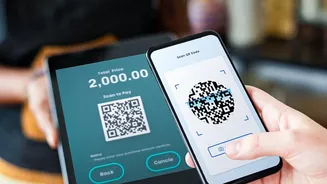
Before you ever get to the point of entering your PIN, every UPI app provides a powerful, yet simple, security checkpoint: name verification. When you enter a UPI ID or scan a QR code, the system automatically fetches and displays the registered name of the account holder. This feature is a core part of the UPI framework, designed specifically to prevent payments to the wrong person. By showing you the legal name associated with the bank account, it gives you a clear opportunity to confirm you are paying the right individual or business before committing to the transaction.
How Verification Thwarts Scammers
The verification step is a direct countermeasure to many UPI scams. Imagine a scammer pretending to be 'Rajesh from customer support' asks you to accept a payment request for a refund. When you initiate the transaction or accept the request, the name displayed on your screen might be 'Suresh Kumar' or something completely different. This mismatch is an immediate and critical red flag. The name displayed is not a custom message from the scammer; it is the official name linked to the bank account. Scammers rely on creating a sense of urgency or confusion, hoping you will ignore this vital detail and focus only on their fake messages. By simply pausing to check if the displayed name matches your intended recipient, you can stop the fraud in its tracks. It makes it significantly harder for a fraudster to impersonate someone else convincingly.
The Golden Rule of UPI Transactions
The single most important rule to remember is this: you never, ever need to enter your UPI PIN to receive money. The PIN is a security key used exclusively for authorising payments from your account. Any request, message, or person that asks you to enter your PIN to get paid is attempting to scam you. Scammers create elaborate stories, but their scams almost always end with them needing you to authorise a payment. Similarly, scanning a QR code is only for paying someone, not for receiving money.
Putting It All Together: Best Practices
To stay safe, combine these security habits. First, always pause and verify the recipient's name on the confirmation screen before every single payment. Do not rely on a screenshot someone sends you as proof of payment; always check your own bank app or SMS alerts to confirm that money has been credited. Be highly suspicious of any unexpected 'collect requests', especially those promising refunds or prize money. Read the button on your app carefully—if it says 'Pay', you are about to send money out. Finally, never share your UPI PIN or OTP with anyone, regardless of who they claim to be. Banks and official representatives will never ask for this information.