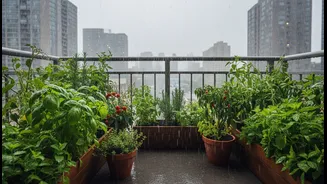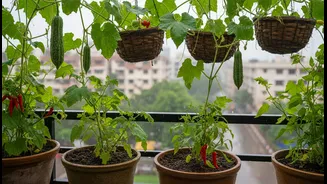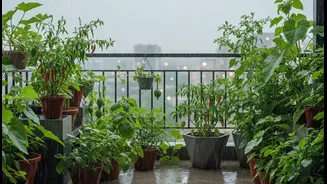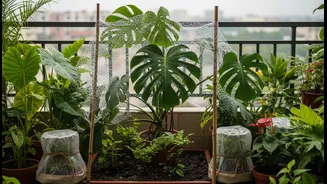






Step 1: Choose Your Vertical Canvas
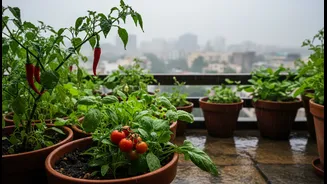
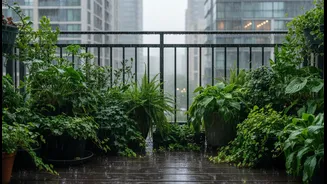
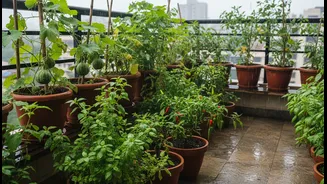
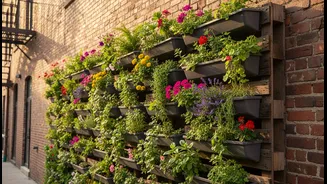
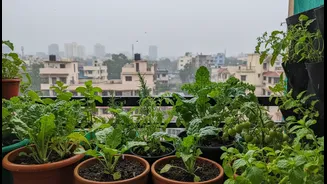
Before you buy a single plant, identify the perfect spot. Most urban homes in India have a sun-drenched balcony, a neglected wall, or a sturdy railing that can serve as the foundation for your garden. Observe the location throughout the day. Does it get
harsh afternoon sun or gentle morning light? The amount of sunlight will determine which plants will thrive. A south or west-facing wall is ideal for sun-loving flowers and vegetables, while a north-facing spot is better for shade-tolerant plants like ferns and money plants. Ensure the wall or structure is strong enough to support the weight of pots, soil, and water.
Step 2: Select Your Low-Cost Structure
You don't need expensive, custom-made kits to build your vertical garden. Everyday items can be repurposed into beautiful and functional planters. A popular and cheap option is using a wooden pallet. You can often find them for free at local stores. Simply stand it upright, line the sections with landscape fabric, fill with soil, and you have a rustic multi-tiered planter. Another brilliant, zero-cost idea is to use old plastic bottles. Cut a window into the side of 1 or 2-litre bottles, punch drainage holes in the bottom, and hang them in a cascading series using strong twine or wire. You can also consider mounting old wooden crates, using a fabric shoe organiser for herbs, or even installing PVC pipes or gutters as horizontal planters for leafy greens.
Step 3: Get the Foundation Right
Vertical gardens have smaller containers, which means they can dry out faster and have less room for roots. Therefore, the right soil mix is crucial. Avoid using heavy garden soil, which can become compacted. Instead, use a lightweight potting mix. A good combination for Indian conditions is a mix of coco peat (which retains moisture), compost (for nutrients), and a smaller amount of perlite or coarse sand (for drainage). This blend ensures that your plants' roots get enough air and water without becoming waterlogged. Ensure every container, whether it's a bottle or a pot, has drainage holes to let excess water escape.
Step 4: Pick the Perfect Plants
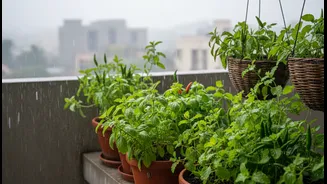
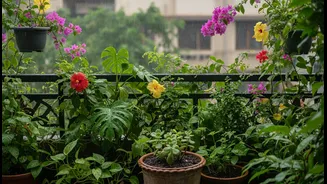
Choosing the right plants is the most exciting part. For sunny balconies, consider heat-tolerant options like portulaca, marigolds, and dwarf bougainvillea. Kitchen herbs such as tulsi, mint, coriander, and curry leaves are perfect for vertical setups and will give you fresh ingredients for your meals. If you're growing vegetables, cherry tomatoes and chillies are great starters. For shadier spots or indoor walls, low-maintenance plants like money plant (pothos), spider plant, and various ferns will create a lush, green look with minimal fuss. Succulents are also an excellent choice for sunny, dry spots as they require very little water.
Step 5: Watering and Care
Due to the limited soil volume, vertical gardens often need more frequent watering than traditional ones, especially during hot Indian summers. Check the soil daily by touching it; if the top inch feels dry, it's time to water. Always water from the top, allowing it to trickle down through the layers. To keep your plants healthy, feed them with a balanced liquid fertiliser every few weeks, as the nutrients in small containers get used up quickly. Regularly trim any dead leaves and keep an eye out for pests to ensure your urban oasis continues to flourish.