




Why the Monsoon is Your Green Signal
Many aspiring gardeners believe the intense Indian summer or the mild winter is the best time to start. However, the rainy season offers a unique advantage, especially for beginners. The air is humid, temperatures are cooler, and the soil retains moisture
longer, creating a nurturing environment for many herbs to thrive. The natural watering from the rain means less work for you, while the increased moisture helps seeds germinate faster and roots establish themselves more strongly. It’s a time when nature is in a growth spurt, and your balcony pots can happily join in.
Your Monsoon Herb Starter Pack
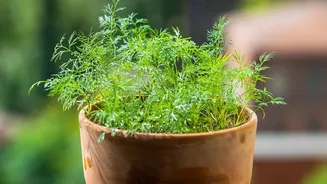
Not all herbs are created equal, especially when it comes to the rains. The key is to choose varieties that flourish in humidity and don't mind a good soak, as long as they have good drainage. For an Indian kitchen, these are no-brainers: - Mint (Pudina): This fast-growing herb is almost foolproof. It loves moisture and spreads quickly. Keep it in its own pot, as it tends to take over. Fresh pudina for your tea or chutney is just a snip away. - Holy Basil (Tulsi): A staple in most Indian households, Tulsi is revered for its medicinal properties, which are especially useful during the monsoon to ward off coughs and colds. It requires moderate sunlight and watering only when the topsoil feels dry. - Coriander (Dhania): Can any Indian dish be complete without it? Coriander grows quickly in the monsoon's damp soil. You can harvest it within weeks and enjoy the unparalleled taste of fresh, chemical-free dhania in your curries and garnishes. - Lemongrass: With its refreshing citrusy fragrance, lemongrass is perfect for flavouring teas and soups. It does well in pots, enjoys the rain, and its presence can also help keep some pests away.
Setting Up for Success: Pots and Soil
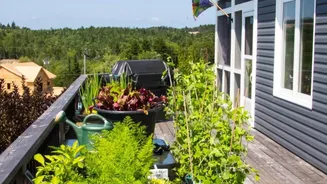
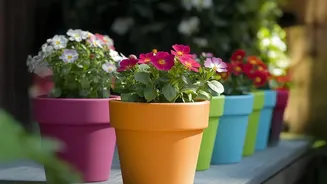
The single most important factor for a monsoon garden is drainage. While the rain is a blessing, waterlogged roots are a plant's worst enemy, leading to root rot. Choose terracotta or plastic pots with plenty of drainage holes at the bottom. To prevent these holes from getting clogged, you can add a layer of broken pot shards or small stones before filling them with soil. Elevating your pots on bricks or small stands can also make a huge difference, allowing excess water to escape freely. Use a light, well-draining potting mix—a combination of garden soil, compost, and a bit of sand is ideal for most herbs.
Common Monsoon Mistakes to Avoid
Gardening during the rains is easy, but not without its challenges. The biggest mistake is over-loving your plants with too much water. The rain is already doing a lot of the work, so always check the soil before watering. Stick your finger an inch into the soil; if it feels damp, hold off. Another issue can be a lack of sunlight during long stretches of cloudy days. Try to place your pots in the brightest part of your balcony, which receives at least a few hours of light. Also, increased humidity can invite fungal diseases. Ensure there's good air circulation around your plants and direct water to the soil, not the leaves, to keep them as dry as possible.
Reaping Your Fresh, Flavourful Rewards
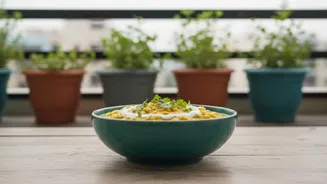
The true joy of a herb garden lies in the harvest. There is immense satisfaction in stepping out to your balcony and snipping off exactly what you need for your meal. Homegrown herbs are more flavourful, aromatic, and, most importantly, free from pesticides. Regular harvesting also encourages the plants to grow bushier, giving you a continuous supply. Imagine dropping fresh curry leaves into a tadka, brewing a cup of tea with your own lemongrass and tulsi, or making a fresh mint chutney that tastes better than any you've bought. That's the simple, tangible reward waiting for you this monsoon.