



A Monastery Awakens
Nestled in a gorge about 45 kilometres from Leh, Hemis Monastery is the largest and wealthiest monastic institution in Ladakh. For most of the year, it remains a serene sanctuary of Buddhist learning. But for two days in the fifth month of the Tibetan
lunar calendar, typically in June or July, its vast courtyard transforms into a grand stage. The Hemis festival draws people from all corners of Ladakh and the world, filling the cold, thin air with anticipation. The whitewashed walls, adorned with vibrant murals and thangkas, become the backdrop for a profound cultural and religious event that reaffirms the region's deep-rooted faith.
Honouring the Second Buddha
At its core, the festival commemorates the birth anniversary of Guru Padmasambhava, also known as Guru Rinpoche. Revered as the 'Second Buddha', he is credited with establishing Tantric Buddhism in Tibet and the Himalayan region in the 8th century. The festival's narrative is a powerful one: the triumph of good over evil. The ceremonies and performances are not mere entertainment; they are a living enactment of Padmasambhava’s mission to vanquish demons and dark forces, paving the way for the compassionate teachings of Buddhism to flourish. For devotees, witnessing the festival is an act of spiritual merit, believed to bestow blessings and protection.
The Sacred Cham Dances
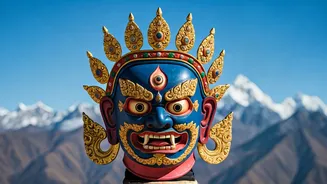
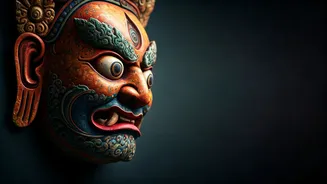
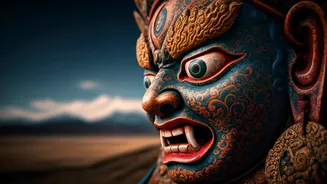
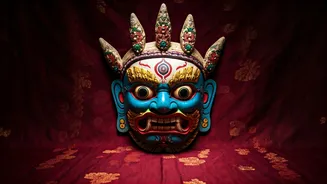
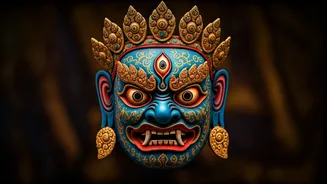
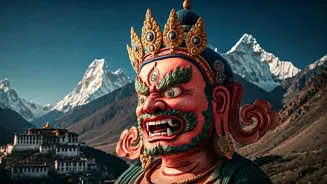
The soul of the Hemis festival lies in the Cham, the sacred masked dances performed by the lamas (monks). Dressed in elaborate brocade robes and wearing larger-than-life masks, the monks move with slow, deliberate, and hypnotic steps. Each mask is a masterpiece, representing either a wrathful deity, a compassionate Bodhisattva, a protective spirit, or a grotesque demon. The dances are a form of meditation in motion. The thunderous clash of cymbals, the deep drone of long horns (dungchen), and the rhythmic beat of drums create an otherworldly soundscape. The performance retells the legends of Padmasambhava, culminating in a dramatic finale where the leader of the black hat dancers destroys a dough effigy representing evil, symbolically cleansing the land and its people for the year ahead.
More Than a Performance
While the Cham dances are the main attraction, the festival's atmosphere is equally captivating. It’s a vibrant social gathering where Ladakhi families, dressed in their finest traditional attire, come to pray, socialise, and celebrate. The air is thick with the scent of burning juniper incense and butter lamps. The shared reverence is palpable; you see it in the clasped hands of the elderly and the wide-eyed wonder of the young. For visitors, it's a rare opportunity to step out of the everyday and witness a tradition that has remained unbroken for centuries. It’s an immersive experience that engages all the senses and offers a profound insight into the spiritual heart of Himalayan Buddhism.
The Traveller's Experience
For the culture enthusiasts making the journey, the festival extends beyond the monastery courtyard. The surrounding area becomes a bustling marketplace. Stalls pop up selling local handicrafts, intricate silver jewellery, colourful Tibetan prayer flags, and delicious local food like momos and thukpa. It offers a chance to interact with local artisans and take home a piece of Ladakhi culture. Planning is key, as accommodation in and around Leh gets booked up months in advance. But for those who make the trip, the reward is an unforgettable encounter with a culture where faith, art, and community are woven into a single, breathtaking tapestry.