



The Downside of Our Daily Staples
White rice and refined wheat flour (maida) are staples in many Indian households. While they are versatile and quick to cook, the refining process strips them of essential nutrients, particularly fibre and vital minerals. What's left is mostly simple
carbohydrates that can cause rapid spikes in blood sugar. Over time, a diet heavy in refined grains can contribute to low-grade inflammation and may not provide the robust nutritional foundation our immune system needs to function optimally.
Millets: A Return to Nutritional Wisdom
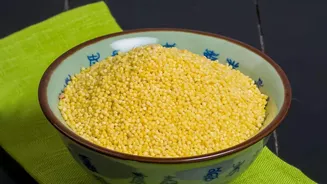
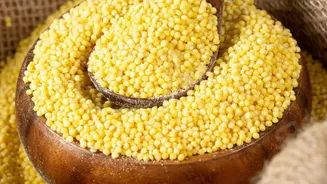
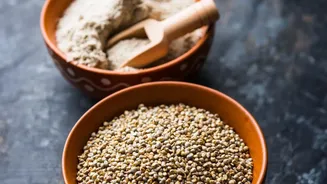
Millets are a group of ancient grains that have been part of the Indian diet for thousands of years. Varieties like Jowar (sorghum), Bajra (pearl millet), and Ragi (finger millet) are making a comeback, and for good reason. Unlike their refined counterparts, millets are whole grains, meaning they retain their nutrient-rich bran and germ. They are packed with complex carbohydrates, plant-based protein, and, most importantly, dietary fibre. They are also naturally gluten-free, making them a great option for those with sensitivities.
How Millets Support a Stronger Immune System
The phrase 'immunity booster' is common, but a better way to think about it is 'immune support'. A resilient immune system relies on a steady supply of specific nutrients, many of which are abundant in millets. Firstly, millets are rich in antioxidants like polyphenols, which help protect our cells from damage caused by oxidative stress and reduce inflammation. Secondly, they are a treasure trove of essential minerals. Zinc, iron, and selenium, found in various millets, are crucial for the development and function of immune cells. For instance, zinc is a key player in immune cell function, while iron is vital for immune cell proliferation. A deficiency in these micronutrients can compromise your body's ability to mount an effective defence.
The Gut-Immunity Connection
Did you know that approximately 70% of your immune system resides in your gut? This is where millets truly shine. The high dietary fibre in millets acts as a prebiotic, which is essentially food for the beneficial bacteria in your digestive system. A healthy and diverse gut microbiome is directly linked to a stronger immune response. This fibre promotes the production of short-chain fatty acids (SCFAs), which help maintain the gut lining, reduce inflammation, and support overall immune regulation. So, by eating millets, you're not just feeding yourself; you're nourishing the trillions of allies in your gut that help keep you healthy.
Meet Your Millet Champions
While all millets are beneficial, some regional favourites have standout qualities. Jowar (Sorghum) is loaded with antioxidants and is great for gut health. Bajra (Pearl Millet) is a fantastic source of iron and magnesium, which support energy levels and immune function. Ragi (Finger Millet) is a calcium superstar, excellent for bone health, but also contains iron and antioxidants that contribute to immunity. Incorporating a variety of these grains ensures you get a wide spectrum of nutrients.
Making the Switch Simple and Delicious
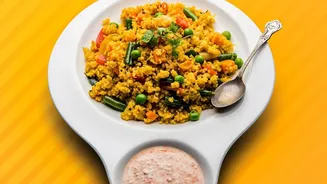
Switching to millets doesn't mean a complete diet overhaul overnight. Start small. Try swapping white rice for foxtail or little millet once a day. You can replace a portion of your regular wheat atta with Jowar or Bajra flour to make rotis. Ragi can be used to make delicious and nutritious porridge for breakfast or healthy dosas. Soaking millets for a few hours before cooking can improve their digestibility and nutrient absorption. The key is gradual and consistent integration into your daily meals.