





The Promise of Instant Order
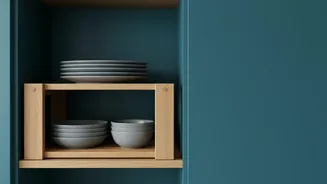
In the quest for a tidy home, particularly in the kitchen and pantry, shelf risers feel like a revelation. These simple racks, often made of metal or plastic, create a second level on a shelf, effectively doubling the usable surface area. The idea is simple and brilliant:
the air space above your stack of plates, mugs, or canned goods can be transformed into a functional storage tier. This instantly makes it easier to see and access what you have, preventing items from getting lost in the back of a cabinet. No more unstacking six bowls to get to the one at the bottom. The allure is in creating a system where everything has its place and is easily reachable, which is the cornerstone of good organisation.
The Critical Mistake Everyone Makes
The most common error in this organisational journey is buying shelf risers before taking any measurements. It’s an easy mistake to make; you see a riser online or in a store and imagine its potential. However, not all cabinet and shelf heights are standard. The result of this oversight is often a riser that is either too tall, preventing you from placing anything on the top tier, or too short, creating a cramped and nearly useless space underneath. If a riser is too tall, it may not even fit on the shelf, or it might leave so little clearance that only your flattest items can sit on top. If it's too short, you'll struggle to retrieve anything from the lower level, defeating the entire purpose of accessibility. This turns a tool for order into a source of daily annoyance.
How to Measure Like a Pro
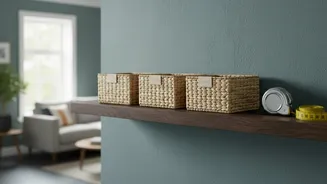
To avoid this scenario, embrace the simple mantra: measure twice, buy once. Before you even browse for a riser, grab a tape measure. First, measure the total vertical height of the space from the surface of the shelf to the bottom of the shelf above it. Next, consider what you plan to store. If you want to place your dinner plates (which are about 1 inch high) on top of the riser, and your side plates (about 7 inches high) underneath, you need a riser that is at least 7.5 inches tall, but no more than the total height minus 1.5 inches for the top plates. Don't forget to measure the depth and width of your cabinet to ensure the riser's footprint will fit comfortably without scraping the sides or preventing the door from closing.
Choosing the Right Riser for the Job
Once you have your measurements, you can confidently shop for the perfect riser. You’ll find several types available. Wire metal risers are common, durable, and offer good visibility. Some are expandable, which is great for customising the width. Solid plastic or acrylic risers provide a flatter, more stable surface, which is ideal for smaller items that might wobble on a wire frame. Wood or bamboo risers offer a warmer aesthetic. Consider the weight of what you'll be storing; a stack of heavy ceramic dinner plates requires a sturdier riser than a collection of spice jars. For corners, L-shaped risers can help you reclaim otherwise awkward, dead space.
Beyond the Kitchen Cabinet
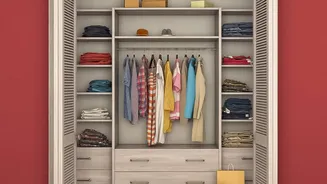
This principle extends far beyond the kitchen. In the bathroom cabinet, a riser can separate daily-use items from back-stock toiletries. In a wardrobe, it can divide stacks of folded t-shirts or create a platform for shoes and handbags. Under the sink, a well-measured, expandable riser can be configured to fit around plumbing, creating organised storage for cleaning supplies where there was once only chaos. In any space where you have fixed shelving with significant vertical headroom, a riser can be a powerful tool—as long as it’s the right size. The goal is always to make items more accessible and visible, not to create a more complex and crowded form of clutter.