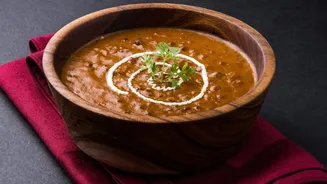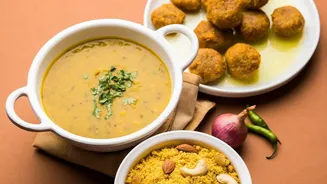




When thinking of comfort food, a hearty soup often comes to mind. But have you considered the humble urad dal as the star? Beyond its everyday uses, this lentil transforms into a lusciously creamy and deeply satisfying soup perfect for dinner.
The Unsung Hero of the Pantry
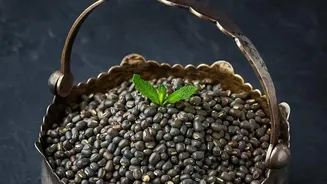
Urad dal,
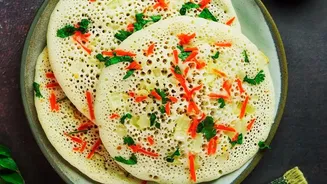
also known as split black gram, is a staple in Indian kitchens, famous for its role in making idli, dosa, and vada. But its potential extends far beyond batters and fritters. This lentil is a nutritional powerhouse, packed with protein, iron, calcium, and B vitamins. With roughly 24 grams of protein per 100 grams, it is one of the most protein-rich legumes available, making it an excellent choice for a filling and energising meal. Its regular consumption can help boost energy levels, support bone health, and aid digestion. When cooked, especially when slow-cooked, urad dal develops a unique, almost velvety texture that sets it apart from other lentils.
The Secret to Natural Creaminess
The magic of a creamy urad dal soup lies not in heavy cream or butter, but within the dal itself. Urad dal contains a high amount of mucilage, a sticky, gelatinous substance that is released during cooking. This is the same property that gives idli batter its unique binding quality. When urad dal is slow-cooked, this mucilage breaks down and emulsifies into the cooking liquid, creating a naturally thick and creamy consistency without any dairy. To enhance this effect, soaking the dal for a few hours before cooking softens it and kickstarts the process. Simmering the dal gently over a low flame for an extended period is key; rushing the process will result in a less luxurious texture. For an even smoother soup, you can gently mash some of the lentils against the side of the pot with a spoon towards the end of cooking.
A Simple Recipe for Urad Dal Soup
This foundational recipe lets the dal's natural flavour shine. You will need one cup of split and skinned urad dal (white urad), four to five cups of water or vegetable broth, one chopped onion, a tablespoon of grated ginger and minced garlic, and salt to taste. Start by rinsing the dal and soaking it for at least an hour. In a heavy-bottomed pot, sauté the onion in a little ghee or oil until soft and translucent. Add the ginger and garlic and cook for another minute until fragrant. Drain the soaked dal and add it to the pot along with the water or broth. Bring the mixture to a boil, then reduce the heat to a simmer, cover, and let it cook for at least 45 to 60 minutes, or until the lentils are completely soft and starting to break down. Stir occasionally to prevent sticking. Once the dal is tender and the soup has thickened, add salt to taste.
Elevating Flavour with a Tempering Tadka
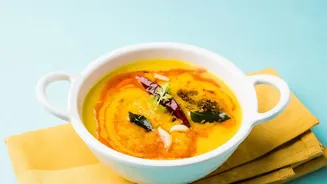
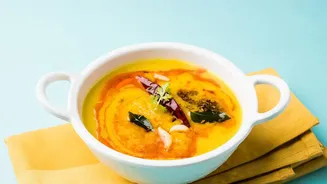
While the soup is delicious on its own, a final tempering, known as a 'tadka' or 'chaunk', takes it to the next level. This involves frying whole or ground spices in hot ghee or oil to unlock their essential oils and then pouring the mixture into the soup. For a classic tadka, heat a tablespoon of ghee in a small pan. Once hot, add a teaspoon of cumin seeds and let them sizzle. You can also add a pinch of asafoetida (hing), a dried red chilli, and some curry leaves for extra layers of flavour. After a few seconds, pour this sizzling mixture directly into the pot of soup. Cover immediately for a minute to allow the aromas to infuse before stirring everything together. This simple step adds a depth of flavour and a beautiful fragrance that makes the soup truly special.
Serving and Customisation Ideas
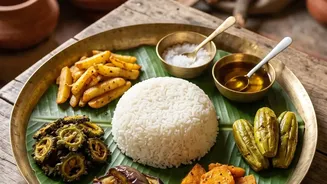
This creamy urad dal soup is wonderfully versatile. For a heartier meal, you can add finely diced vegetables like carrots or spinach during the last 20 minutes of cooking. A squeeze of fresh lemon or lime juice at the end brightens up all the flavours. Serve the soup hot, garnished with fresh chopped coriander. It is satisfying enough to be a meal on its own, but also pairs beautifully with steamed rice or warm naan bread for dipping. A dollop of plain yogurt can add a pleasant tang that complements the earthy dal. Don't be afraid to experiment with different spices in your tadka, such as mustard seeds or fennel seeds, to create your own signature version of this comforting dish.