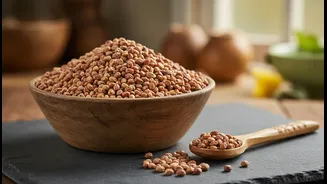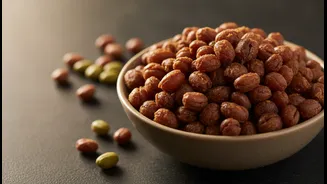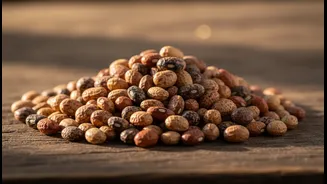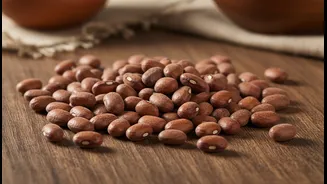



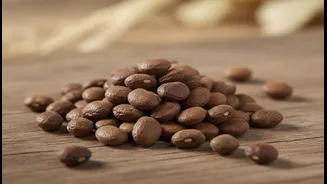
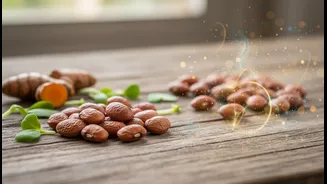


What Is This Ancient Powerhouse?
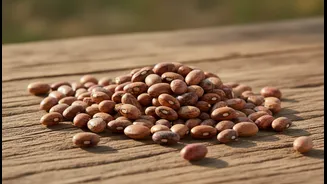
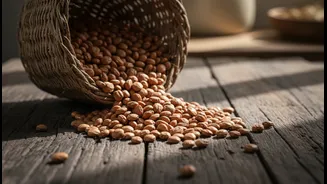
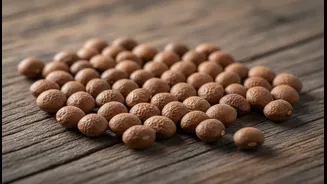
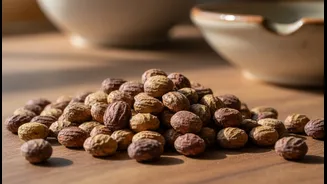
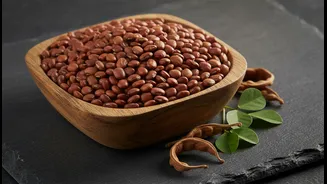
Known as 'kulthi' in Hindi, 'kollu' in Tamil, and 'hurali' in Kannada, horse gram (Macrotyloma uniflorum) is a small, resilient lentil that has been cultivated in India for thousands of years. Historically, it was valued for its incredible hardiness,
able to grow in dry, tough conditions where other crops might fail. Its English name comes from its traditional use as a high-energy feed for cattle and racehorses, a testament to its powerful nutritional profile. For centuries, it was a staple in rural and agrarian diets, a source of sustenance long before it caught the eye of modern wellness enthusiasts. Despite its deep roots in Indian agriculture, it remained one of the country's under-utilized crops for a long time.
A Nutritional Profile That Punches Above Its Weight
So, what's inside this tiny lentil that makes it so special? Horse gram is celebrated for being one of the most protein-rich lentils on the planet. A 100-gram serving packs around 22 grams of protein, making it an excellent source for vegetarians and anyone looking to boost their protein intake. It's also loaded with dietary fibre, which aids digestion and can help in managing blood sugar levels. Beyond protein and fibre, it’s a treasure trove of essential minerals, including having the highest calcium content among pulses, along with significant amounts of iron and phosphorus. This combination of high protein, low fat, and rich mineral content is precisely why it's now being hailed as a superfood.
From Humble Staple to Culinary Star
The resurgence of horse gram is part of a larger, exciting trend across India: the rediscovery of ancient grains and millets. For years, many traditional foods were overshadowed by mass-produced staples like wheat and rice. Now, a growing consciousness around health, sustainability, and culinary heritage is bringing ingredients like horse gram back into the mainstream. Chefs and home cooks are looking beyond the usual dals and finding that horse gram offers a unique, earthy, and slightly smoky flavour that lends itself to a wide array of dishes. This isn't just about nostalgia; it's about recognising the wisdom embedded in traditional food systems and adapting it for contemporary tastes.
The Modern Makeover: How to Use Horse Gram Today
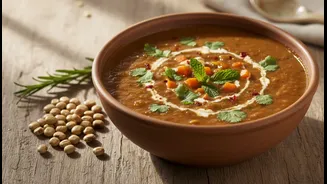
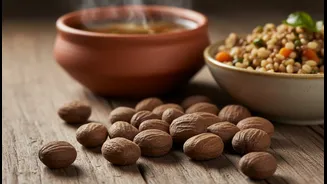
The beauty of horse gram lies in its versatility. While traditional preparations like 'rasam' (a thin soup), 'sambar', and simple dals are timeless, the legume is now appearing in creative new forms. Health-conscious foodies are sprouting the lentils for salads, adding a crunchy, nutritious element to their meals. Roasted and ground horse gram is being used as a 'podi' (spice powder) to sprinkle over idlis and dosas, or even mixed into flour to make high-protein parathas and tikkis. Modern cafes are experimenting with horse gram in hearty soups and even as a base for vegetarian Mexican chilli. Its ability to be soaked, sprouted, boiled, or powdered makes it an incredibly adaptable ingredient for any kitchen.
Bringing Horse Gram into Your Kitchen
Ready to try it? Preparing horse gram requires a little planning but is quite simple. Like many legumes, it needs to be soaked, ideally overnight, to soften it and reduce cooking time. After soaking, it can be pressure-cooked until tender. From there, the possibilities are endless. You can mash it into a thick dal, similar to a rajma masala, or use the cooking liquid to create a flavourful rasam. Sprouting is another great option: just soak the grains, drain them, and keep them in a warm, dark place for a day or two until they germinate. These sprouts can be eaten raw in salads or lightly stir-fried for a quick and healthy side dish.