





Decoding the IMD's Colour Palette
The IMD uses a four-colour system to issue warnings about weather severity, designed to be easily understood by the public and disaster management authorities. Green signifies 'All is Well', meaning no adverse weather is expected and no advisory is needed.
Yellow means 'Be Aware', indicating that conditions could worsen and you should stay updated. Orange is for 'Be Prepared', signaling a high likelihood of extremely bad weather that could disrupt daily life. Red, the highest alert, means 'Take Action', as severe weather is expected to cause significant disruption and risk to life.
Yellow Alert: What 'Be Aware' Means for Travel
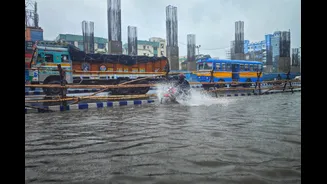
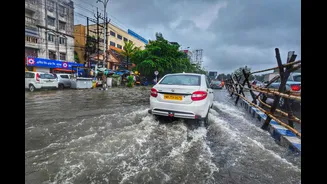
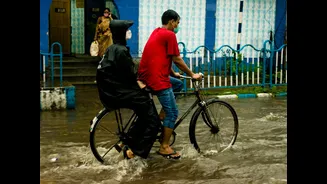
A Yellow alert is the most common warning during the monsoon. It signals moderately bad weather, with expected rainfall between 64.5 mm and 115.5 mm over 24 hours. For travellers, this means you should proceed with caution. Urban commuters might face traffic snarls due to waterlogging in low-lying areas. On highways, visibility might be reduced, and journeys could take longer than usual. Train and flight schedules are not usually affected on a large scale, but it's wise to check for minor delays. Think of it as a nudge to pack an umbrella and budget for extra travel time.
Orange Alert: Why You Must 'Be Prepared'
An Orange alert is a serious warning for travellers, indicating heavy to very heavy rainfall is likely (115.6 mm to 204.4 mm in 24 hours). The keyword is 'Be Prepared' for significant disruptions. On highways, this could mean major traffic jams, diversions due to severe waterlogging, and an increased risk of accidents. In hilly areas, an orange alert often comes with a risk of landslides, which can block roads for hours or even days. Train services may be delayed, rescheduled, or diverted, and flights can also be impacted. Authorities may advise against non-essential travel.
Red Alert: When 'Take Action' Means Staying Put
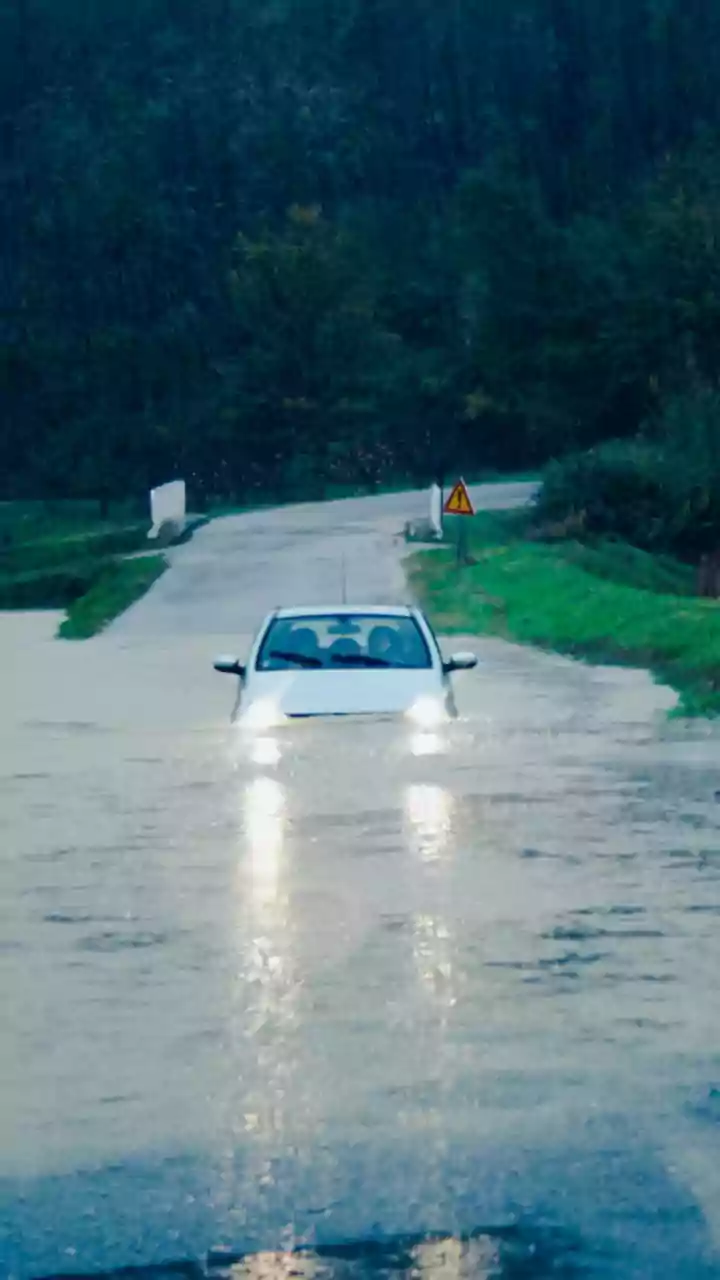
A Red alert is the most critical warning and is issued for extremely heavy rainfall (over 204.5 mm in 24 hours). The instruction 'Take Action' often translates to 'do not travel'. Under a red alert, widespread and severe flooding is highly probable. Major highways may be closed by authorities, and train and flight services are likely to be suspended or cancelled. There is a significant risk to life and property. Trying to navigate roads can be dangerous due to submerged obstacles and the force of flowing water. At stations and airports, you can expect major operational shutdowns. The safest course of action is to stay where you are and follow the guidance of local disaster management officials.
At the Station: Rail, Road, and Air
The impact of these alerts extends to all forms of transport. During orange and red alerts, railway tracks can get submerged or the underlying ballast can be washed away, leading to service suspensions. Bus services, particularly inter-state routes, are often cancelled. Airports may continue to operate but will face significant delays and cancellations due to poor visibility and strong winds. It is crucial for passengers to check the status of their transport well in advance. Do not assume services will run as scheduled. Many operators provide updates via apps and social media, and official sources like the IMD's Mausam app are invaluable.