

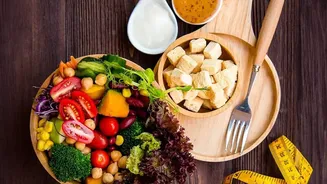
Why the Great Indian Snack Swap is Happening
The shift away from traditional biscuits isn't happening in a vacuum. It's driven by a powerful wave of health consciousness sweeping across the nation, particularly in urban areas. Consumers are no longer just looking for convenience and taste; they
are scrutinizing labels and seeking functional benefits. This growing awareness around lifestyle diseases and preventive wellness has turned ingredients like protein, fibre, and whole grains into purchasing priorities. Government initiatives like the Eat Right India movement have also played a role in educating consumers about the risks of high-sugar and high-fat diets. As a result, the perception of biscuits as a simple, harmless treat is being challenged, prompting many to look for snacks that actively contribute to their nutritional goals.
Meet the New Stars of the Snack Aisle
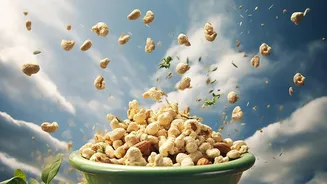
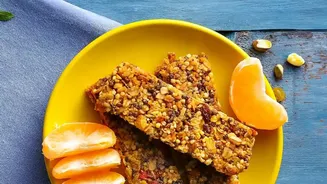
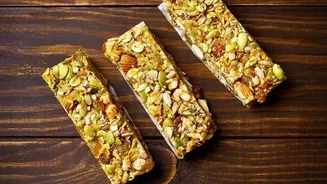
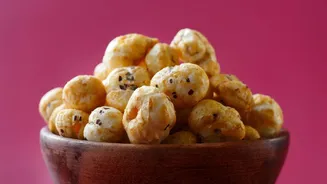
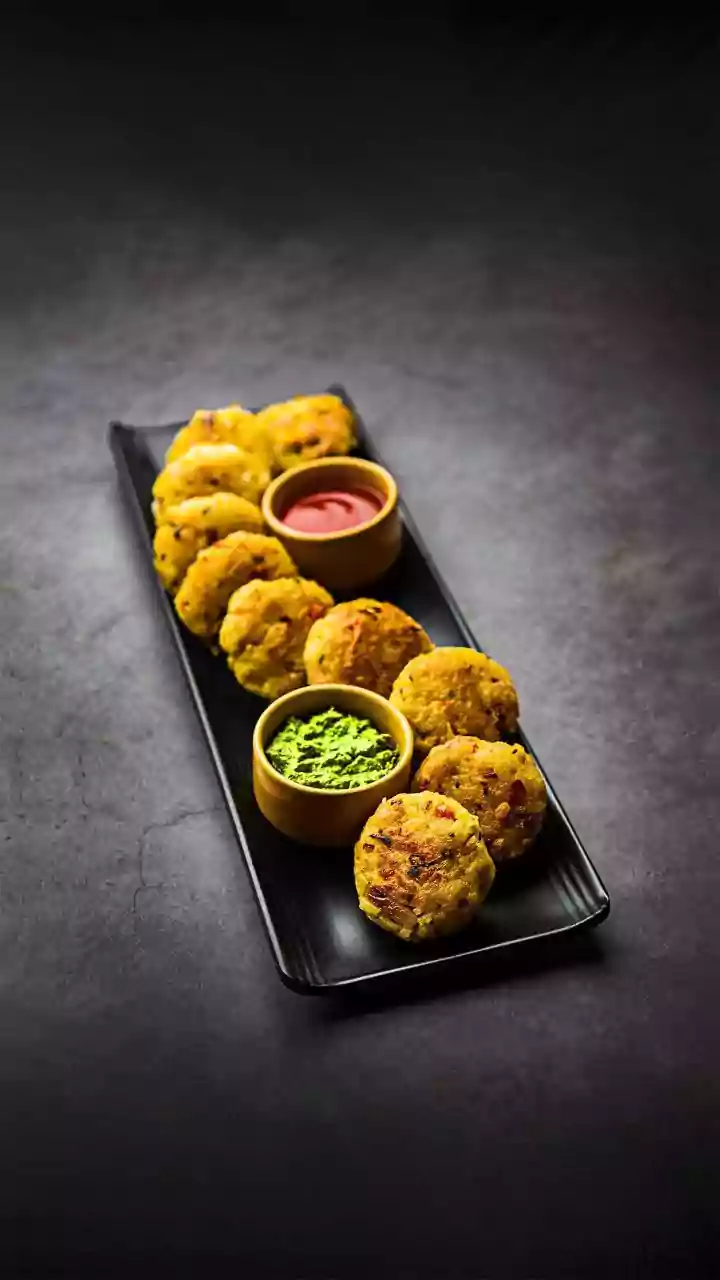
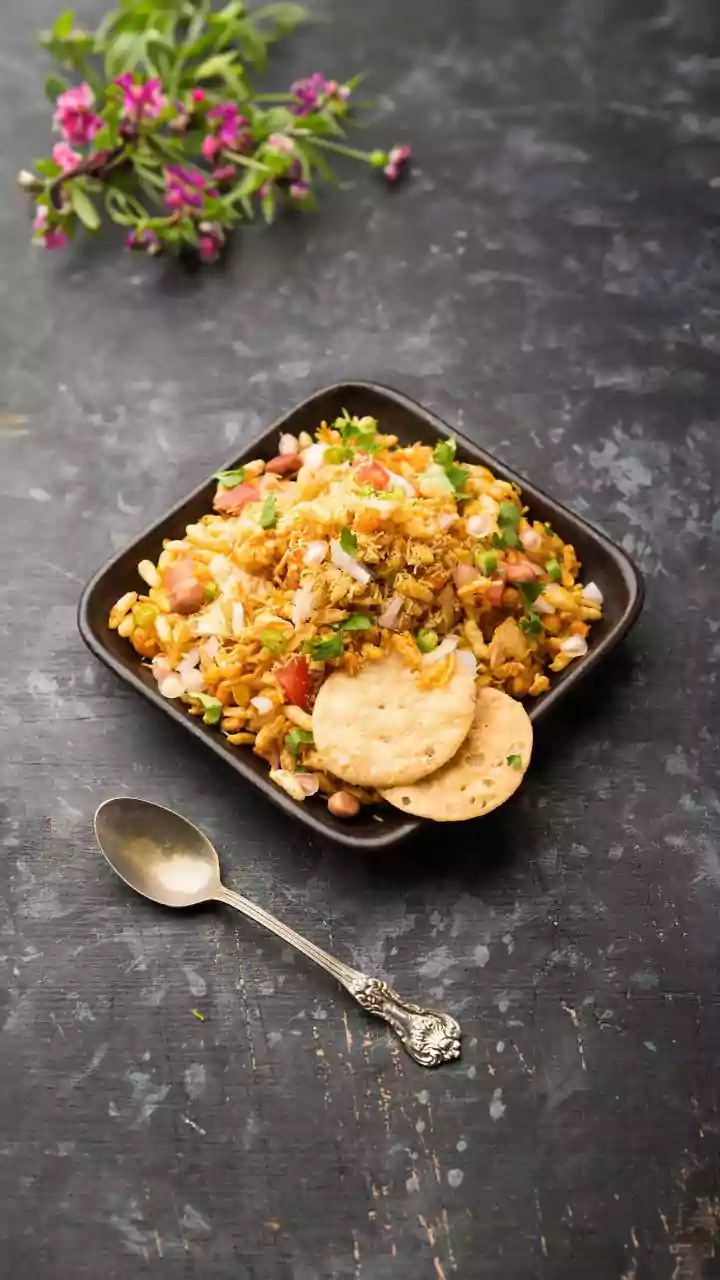
So, what is replacing the traditional Parle-G or cream-filled cookie? The new snack aisle is diverse and innovative. Ancient grains are making a major comeback, with millet-based products like ragi cookies and jowar puffs leading the charge. Roasted, not fried, snacks are another major category, featuring everything from flavoured makhana (fox nuts) to chickpea crisps. Protein and energy bars, once confined to gyms, are now mainstream grab-and-go options for office workers and busy parents. Even the humble nut and seed mix has been repackaged as a premium, convenient source of healthy fats and protein. These products are often sold by a new generation of direct-to-consumer (D2C) brands that emphasize clean labels, transparent sourcing, and unique Indian flavours to attract mindful munchers.
How Legacy Biscuit Brands Are Fighting Back
The giants of the Indian biscuit world, like Britannia and Parle, haven't been sitting idle. They are actively responding to this consumer shift in two key ways: reformulation and acquisition. Both companies have significantly expanded their 'healthy' biscuit lines. Britannia's NutriChoice range and Parle's Nutricrunch portfolio now include digestive, high-fibre, and multigrain options designed to appeal to the health-conscious buyer. These products aim to offer the familiar comfort of a biscuit but with a better nutritional profile, such as higher fibre or reduced sugar. Furthermore, these established players are strategically acquiring smaller, successful D2C health food brands to quickly integrate innovation and capture a new customer base that might otherwise ignore legacy products. This allows them to compete directly with the agile startups redefining the market.
What This Means for the Everyday Consumer
For the average Indian consumer, this trend brings a wave of choice and empowerment. The healthy snacking market in India is projected to grow faster than the global average, with some estimates suggesting a CAGR of nearly 10%. This competition means more options, from budget-friendly millet snacks to premium protein bars. The rise of quick commerce has also made these products more accessible than ever, with 10-minute delivery available in many urban centres. However, this expanding market also calls for more discerning consumers. It's important to read labels carefully, as not all products marketed as 'healthy' live up to the claim. The focus is shifting from simply choosing a snack to making an informed decision about what goes into your body. The era of mindless munching is giving way to one of mindful indulgence.