


The New All-India Breakfast Club
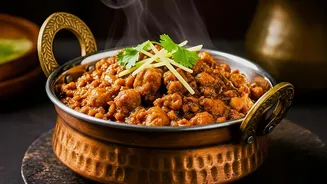
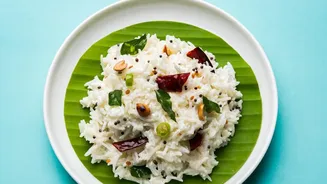
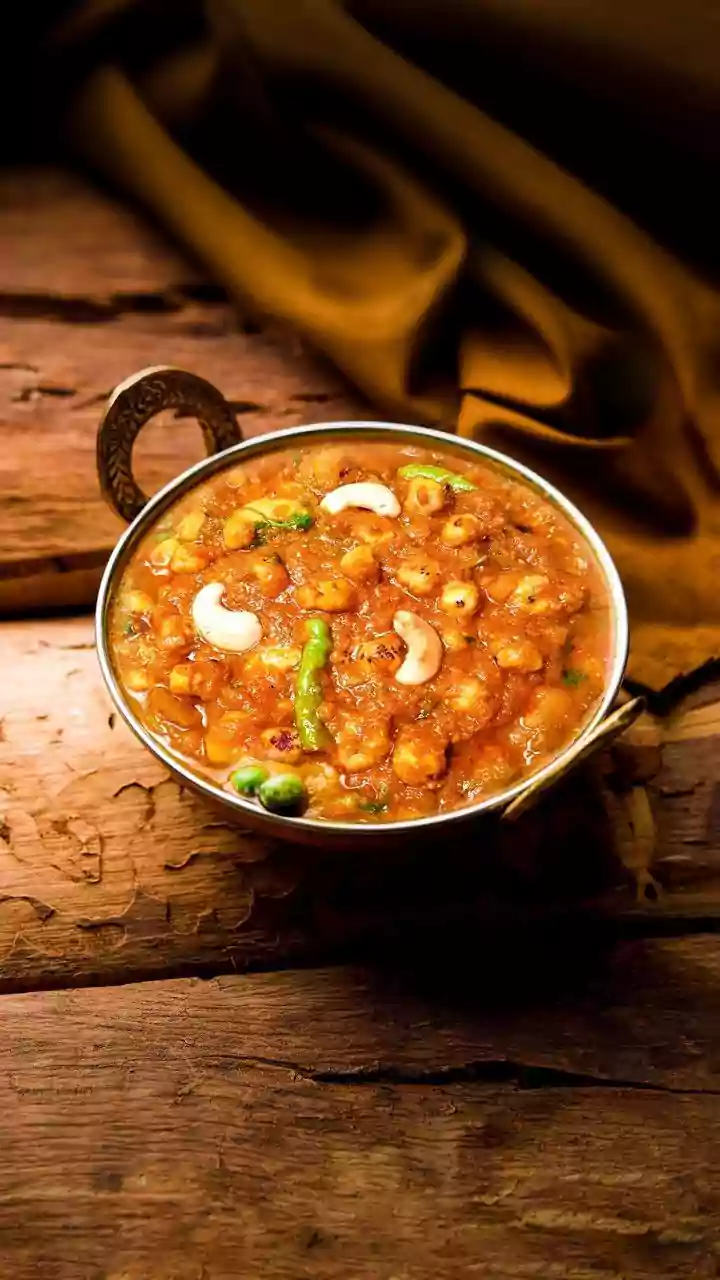
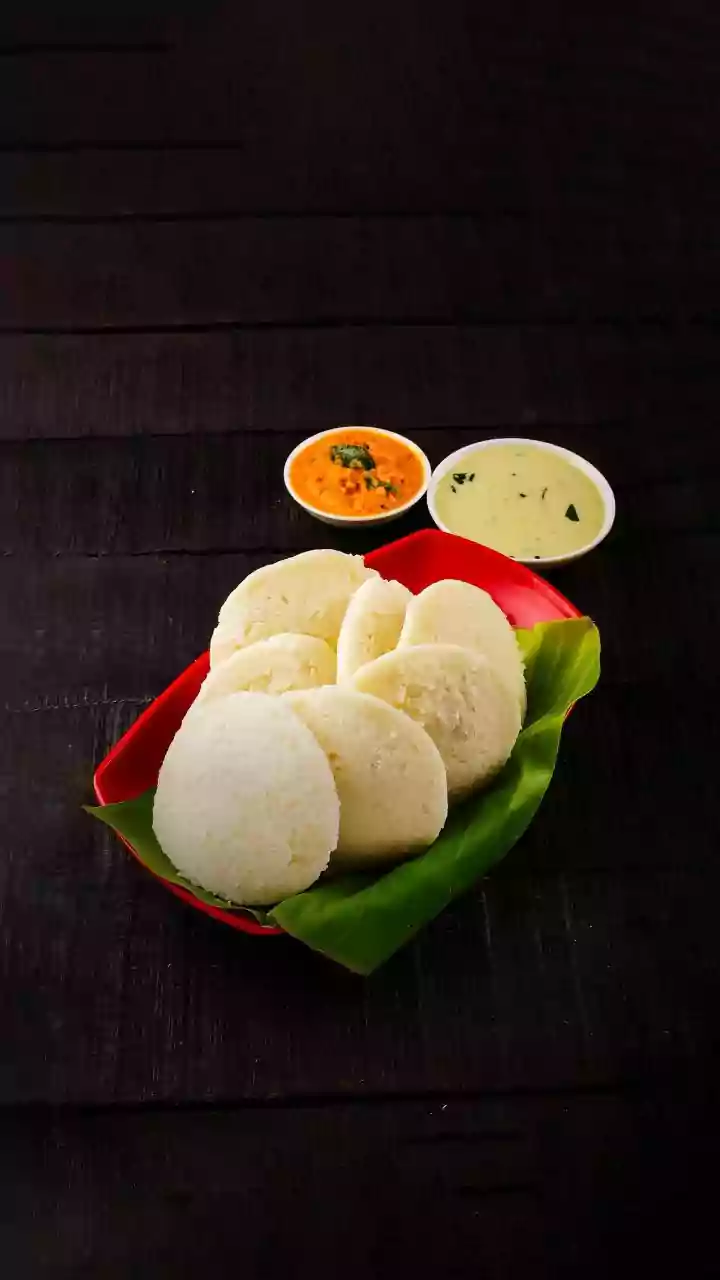
The idea of a quintessentially 'Indian' breakfast is transforming. While staples like Idli-Sambar and Parathas have long enjoyed nationwide popularity, the current trend sees a much wider and more diverse array of regional specialties taking the stage.
Dishes once confined to their home states are now popping up on cafe menus and delivery apps in cities hundreds of kilometres away. Think of the humble Poha from Maharashtra, once a regional favourite, now a top breakfast order in cities across the country. Similarly, Gujarat's Thepla, Tamil Nadu's Appam, and Karnataka's Akki Roti are finding new fans among a generation of curious and well-travelled foodies. This isn't just about food; it's a reflection of a changing India, where regional identities are celebrated and shared on a national platter.
The Digital Dabbawala Effect
A major catalyst for this delicious disruption is technology. Food delivery platforms like Zomato and Swiggy have acted as digital 'dabbawalas', creating a bridge between niche regional kitchens and a mass urban audience. These apps have flattened the culinary landscape, making it as easy to discover a Bengali Luchi for breakfast as it is to find a croissant. Powering this revolution from behind the scenes are cloud kitchens. These delivery-only establishments operate with lower overheads than traditional restaurants, allowing them to experiment with specialised, regional menus that might be too niche for a dine-in setup. A chef can now run a successful business focused solely on authentic Malabari breakfast items or Kathiyawadi snacks, reaching thousands of customers without ever needing a physical storefront.
A Craving for Health and Home
Beyond technology, this trend is also being driven by a cultural shift towards health and authenticity. As urban Indians become more health-conscious, many are looking beyond processed cereals and toast. Traditional regional breakfasts, often made from whole grains, lentils, and fermented batters, are being rediscovered for their nutritional benefits. Poha, for instance, is light, easy to digest, and a good source of iron. There's also a powerful element of nostalgia at play. As millions of people migrate across the country for work and education, there is a growing demand for 'ghar ka khana' or comfort food that tastes like home. For a professional from Indore living in Hyderabad, a plate of authentic Indori Poha is more than just a meal; it's a comforting, edible connection to their roots.
From Street Stalls to Cafe Menus
The food industry itself has embraced this change. Modern cafes and restaurant chains are moving away from generic, pan-Indian menus and are instead curating breakfast offerings that celebrate regional diversity. It's no longer just about 'South Indian' or 'North Indian'. Menus now proudly specify dishes like Kanda Pohe, Dadpe Pohe, or Misal Pav, acknowledging their distinct origins. Chefs are acting as cultural ambassadors, reintroducing diners to the richness of India's culinary heritage. This approach not only provides variety but also tells a story, turning a simple breakfast into an experience of discovery. By putting a regional hero dish on the menu, cafes are responding to a sophisticated consumer demand for food that is both authentic and interesting.