









If your recent trips to the kirana store or supermarket have left your wallet feeling lighter, you're not alone. But the story behind rising prices for daily goods often begins long before they hit the shelf. Let's break it down.
The Price Before the Price Tag
Before a product reaches
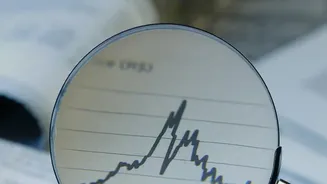
you, it goes through several stages, starting with manufacturers and wholesalers. The inflation at this level is measured by something called the Wholesale Price Index (WPI). Think of it as the price of goods sold in bulk, from one business to another. It tracks the prices of raw materials, manufactured products, and energy. Unlike the Consumer Price Index (CPI), which measures the prices you pay at the retail counter, WPI gives an early signal of price pressures building up in the supply chain. It’s a crucial indicator because a rise in costs for producers often hints at future price hikes for consumers.
What's Behind the Latest Surge?
Recent data from October 2026 shows a significant jump in wholesale inflation, which climbed to 11.39% in September. This spike wasn't random; it was driven by sharp increases across three main categories. First, the 'fuel and power' basket saw inflation rise to 25.85%, largely due to elevated global crude oil prices. Second, prices of 'manufactured products' like basic metals and chemicals also accelerated. Finally, 'primary articles', which include food items, saw a notable increase, with food inflation at the wholesale level hitting 8.66%. This combination means that everything from the energy used to run factories to the raw materials for finished goods and the food grown by farmers has become more expensive for businesses.
The Lag Effect: From Factory to Your Cart
A spike in WPI doesn't mean your grocery bill will shoot up overnight. There's a time lag as higher costs travel through the supply chain. A manufacturer facing higher raw material and energy costs might absorb the extra expense for a while to avoid losing customers. However, if these wholesale prices stay high for a sustained period, companies are eventually forced to pass on at least a portion of the increased cost to retailers, who then pass it on to you, the consumer. This 'pass-through' effect is why economists watch WPI so closely—it acts as a forecast for retail inflation. The retail inflation for September, for instance, also rose to 5.54%, partly reflecting the earlier build-up in wholesale costs.
Your Grocery and Retail Bill Explained
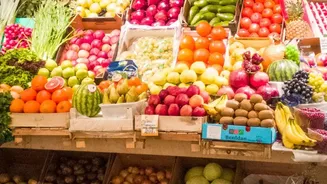
So, what does this mean for specific items on your shopping list? The impact is most visible on essential groceries and fast-moving consumer goods (FMCG). The rise in wholesale food prices, affecting items like cereals and vegetables, directly pressures retail food prices. Similarly, the higher cost of manufactured products means that companies making everything from soap and detergents to packaged foods are facing higher input costs. Add to that the surge in fuel prices, which increases transportation costs for getting these goods from the factory to your local store. All these factors converge, leading to the higher prices you see on everything from cooking oil to your monthly ration.
What Does This Mean for the Bigger Picture?
Beyond your household budget, sustained high inflation has broader economic consequences. For businesses, it can squeeze profit margins and impact investment decisions. For the government and the Reserve Bank of India (RBI), it's a major concern. The RBI's primary goal is to keep retail inflation under control, typically within a target band of 2-6%. When leading indicators like WPI show strong inflationary pressure, it signals that retail prices might continue to rise, prompting the central bank to consider measures like increasing interest rates to cool down the economy. While this can help control prices, it can also make loans for homes, cars, and businesses more expensive.