


Beyond the Classic Modak
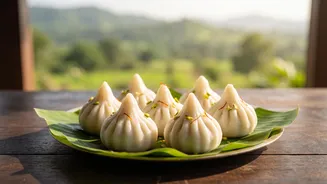
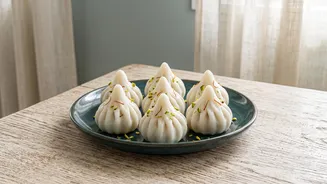
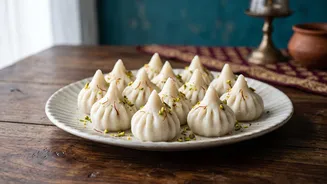
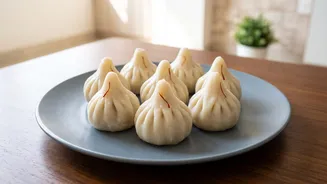
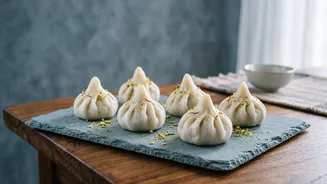
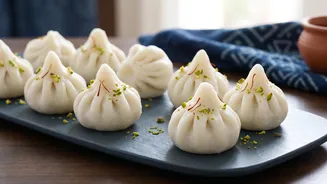
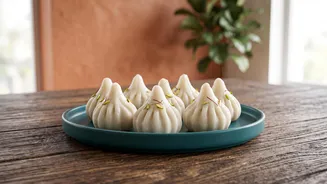
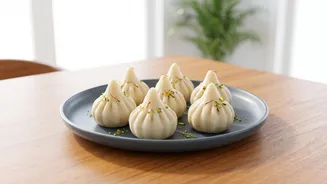
For generations, the emblem of Ganeshotsav feasting has been the ukadiche modak: a delicate, steamed rice-flour dumpling with a sweet filling of coconut and jaggery. It remains the heart of the festive platter, a taste of pure tradition. Yet, the modern
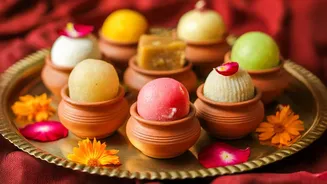
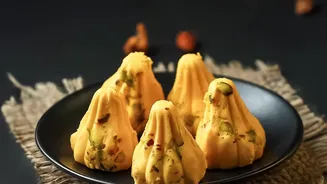
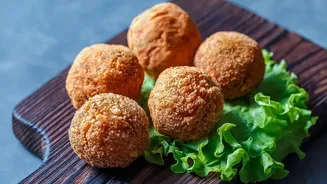
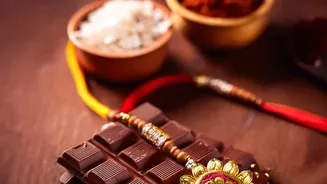
festive kitchen is becoming more adventurous. While the classic modak is offered with reverence, it's now joined by an array of creative cousins. These new interpretations reflect a playful and evolving palate, incorporating flavours from across the country. From the rich indulgence of chocolate and rasmalai modaks to the fragrant notes of paan, rose, and even coffee, home cooks and sweet shops are infusing the traditional form with contemporary tastes. These fusion sweets are often made using moulds, making them more accessible for those who haven't mastered the art of pleating the delicate steamed originals.
A Healthier Festive Plate
The spirit of innovation isn't just about new flavours; it's also about wellness. A growing consciousness around health is reshaping how festive sweets are made and consumed. Many families are now opting for healthier versions of their favourite treats. Sugar-free modaks, sweetened with dates or figs, are becoming increasingly popular, offering a guilt-free way to indulge. The traditional method of deep-frying certain sweets is also being reconsidered, with many people choosing to bake or air-fry their offerings instead. This shift extends to ingredients, with recipes incorporating whole grains like oats or protein-rich additions like paneer, proving that festive food can be both delicious and nourishing. It’s a move towards mindful celebration, where devotion and well-being go hand in hand.
A Festival Without Borders
While Ganeshotsav has its deepest roots in Maharashtra, it has blossomed into a festival celebrated with enthusiasm across India and the globe. As communities migrate, they carry their traditions with them, creating a beautiful cultural exchange. This is wonderfully reflected in the food. The festival platter is no longer confined to one region's specialities. In Tamil Nadu, you might find savoury sundal, a spiced legume salad, offered as prasad. In Goa, patoli—rice cakes steamed in fragrant turmeric leaves—are a festive staple. In Andhra Pradesh and Telangana, savoury steamed dumplings called undrallu are prepared. This blending of culinary traditions enriches the festival, turning it into a vibrant showcase of India's diverse food heritage.
A Conscious Farewell to Bappa
The final days of the festival culminate in Visarjan, the immersion of the Ganesh idol. This ritual, symbolizing the cycle of creation and dissolution, is also undergoing a profound transformation. Driven by a growing environmental awareness, many devotees are adopting eco-friendly practices. The use of idols made from Plaster of Paris, which pollutes water bodies, is giving way to those crafted from natural materials like shadu mati (river clay) or paper pulp. These eco-friendly idols dissolve easily in water, causing no harm to the environment. The concept of a home visarjan, where the idol is immersed in a bucket or tub, has gained significant traction. The nutrient-rich clay water is then thoughtfully used to water plants, beautifully symbolising Ganesha's return to the earth. Some even opt for 'plantable' idols embedded with seeds, which grow into a plant after the festival, turning the farewell into a new beginning.