




Under the Hood: Fluids and Battery
Cold weather is tough on your engine and its supporting systems. Before you even think about packing the car, start with the basics under the hood. First, check your coolant, also known as antifreeze. This fluid is critical for preventing your engine's
cooling system from freezing in sub-zero temperatures. The typical 50/50 mix of antifreeze and distilled water protects down to roughly -34 degrees Celsius, but for extreme cold, a 60/40 or even 70/30 ratio might be necessary. Ensure the coolant is fresh and at the proper level. Next, inspect your battery. Cold temperatures reduce a battery's power, making it harder to start the engine. If your battery is more than three years old, have it tested by a mechanic to ensure it's holding a full charge. Clean any corrosion from the terminals to guarantee a solid connection. Finally, top off your windshield washer fluid with a winter-specific formula that includes a de-icer. You'll use more than you expect to clear away road salt and grime.
Traction is Everything: Tires and Brakes
On slick mountain roads, your ability to grip the pavement is paramount. Start by checking your tires. While all-season tires may suffice in some conditions, dedicated winter tires are strongly recommended for mountain driving as they are made from a compound that stays flexible in the cold, providing better traction on snow and ice. Regardless of the type, ensure your tires have adequate tread depth. Also, check your tire pressure before you leave and regularly during your trip. Cold air causes pressure to drop, which compromises handling and fuel efficiency. Your vehicle's recommended PSI is usually listed on a sticker inside the driver's door jamb. Don't forget your brakes. Steep descents require a reliable braking system. If you notice any squealing, vibrations, or a soft pedal, get your brakes inspected before you go. For added security, pack a set of tire chains and practice installing them at home. In many mountain regions, carrying them is legally required during winter storms.
Visibility and Driving Strategy
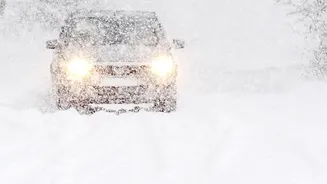
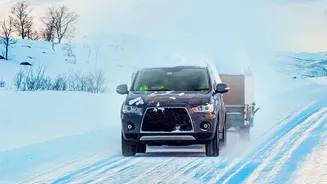
Hazardous weather means reduced visibility. Ensure all your lights are working, including headlights, taillights, brake lights, and emergency flashers. Replace any burnt-out bulbs. Install a pair of winter wiper blades, which are designed to prevent ice buildup. Once on the road, your driving style must adapt. Slow down significantly; it takes much longer to stop on icy surfaces. Increase your following distance to at least eight to ten seconds behind the car in front of you. Avoid using cruise control, as it can cause your wheels to spin if you hit an icy patch. When driving downhill, shift into a lower gear to let the engine control your speed rather than relying solely on the brakes, which can lock up. Always keep your fuel tank at least half full; you never know when a road closure could leave you idling for hours, and a full tank prevents fuel lines from freezing.
The Essential Emergency Kit
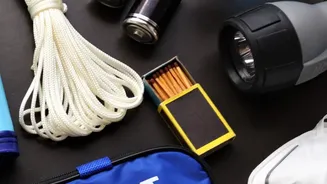
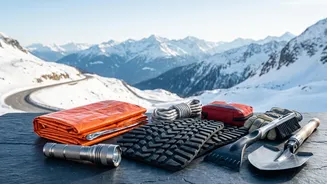
Even with perfect preparation, the unexpected can happen. A well-stocked winter emergency kit is crucial if you become stranded. Start with items for personal safety and warmth: thick blankets or a sleeping bag, extra gloves, hats, socks, and a warm coat. Pack non-perishable, high-energy snacks like granola bars and nuts, along with bottled water. For the vehicle, include a snow shovel, an ice scraper, and a snow brush. A bag of sand or cat litter can provide much-needed traction if your wheels get stuck. Jumper cables or a portable battery jumper are essential for a dead battery. Also include a powerful flashlight with extra batteries, a first-aid kit, and a portable phone charger or power bank. Reflective triangles or flares will make your vehicle more visible to other drivers and emergency services.