






The question echoes in countless group chats: 'Should we watch it in the theatre or wait for OTT?' This simple debate reveals a seismic shift in how we see movies. The multiplex is no longer the default; it's a destination for a very specific mood.
The High Cost of a Night Out
Let’s
start with the most straightforward reason: the expense. A single trip to a premium multiplex in a metro city can be startlingly expensive. Ticket prices for major releases can soar, with premium formats like IMAX or Director's Cut seats costing well over ₹1,500 in cities like Mumbai or Bengaluru. Add the high price of popcorn and drinks, which can easily double the cost, and a family outing for four can approach ₹4,000. When you compare this to an annual subscription for a streaming service, which often costs less than a single premium movie ticket, the economic choice becomes clear. This high financial barrier forces audiences to be highly selective, asking themselves if a film truly offers enough value to justify the cost. For many, only a massive, visually stunning spectacle clears that bar.
The Streaming Revolution Changed Everything
The rise of Over-The-Top (OTT) platforms like Netflix, Amazon Prime Video, and Disney+ Hotstar has irrevocably altered viewing habits. The sheer convenience of watching a vast library of content from your couch is a powerful draw. Streaming offers control—you can pause for a break, re-watch a scene, and view content on your own schedule. This has fundamentally raised the stakes for cinemas. A film no longer just needs to be 'good'; it needs to offer an experience so compelling that it can pull you away from the effortless comfort of your home. As a result, streaming has become the default for most films, while cinemas have become the exception, reserved for movies that feel like unmissable cultural moments.
Hollywood's Blockbuster-Heavy Strategy
Movie studios have adapted to this new reality by doubling down on what works theatrically: the blockbuster. They are pouring hundreds of millions of dollars into producing and marketing films designed from the ground up to be cinematic events. These are movies with breathtaking visual effects, immersive sound design, and epic storylines that demand the largest screen possible. Think of visually driven epics or superhero sagas. This focus creates a self-fulfilling prophecy. When studios primarily push spectacle films into theatres and audiences respond, the multiplex becomes synonymous with that genre. The marketing message is clear: this isn't just a movie, it's an experience you can't get at home.
The Vanishing Mid-Budget Film
A direct consequence of this blockbuster focus is the theatrical decline of the mid-budget movie. Dramas, romantic comedies, and character-driven thrillers—once staples of the multiplex—now often struggle to find a theatrical audience. These are the films that viewers feel comfortable waiting to watch on a streaming platform. Knowing this, studios are increasingly choosing to release these films directly to OTT services, bypassing theatres altogether to avoid financial risk. This exodus removes variety from the cinema, further cementing the public perception that theatres are exclusively for big-budget event films. The diverse cinematic ecosystem that once thrived in multiplexes has narrowed considerably.
The Cinema as a Premium Experience
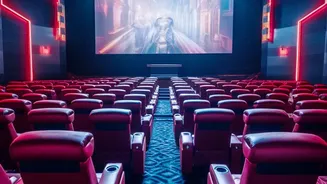
In response to these pressures, multiplexes are repositioning themselves not just as places to watch movies, but as premium entertainment destinations. They are investing in luxury reclining seats, gourmet food and beverage menus, and state-of-the-art projection and sound systems. The industry is also leaning into 'event cinema', broadcasting live concerts, plays, and even sporting events to create unique, one-off social gatherings. This strategy aims to transform a movie outing from a casual activity into a special occasion. While it helps justify premium pricing, it also reinforces the idea that the multiplex is reserved for something extraordinary, rather than the simple, routine pleasure of watching a film.