




The Science of Satiety
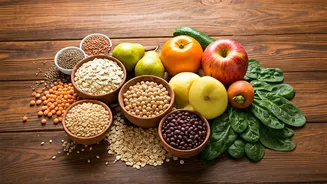
Before we dive into the staples, let's quickly understand why some foods are more filling than others. Satiety, the feeling of fullness, is largely influenced by three key elements: protein, fibre, and volume. Protein is widely considered the most satiating
macronutrient; it helps regulate hunger hormones and slows digestion. Fibre adds bulk to meals and slows down how quickly food leaves your stomach, which helps stabilize blood sugar and prolongs the feeling of fullness. Finally, foods with high water content add volume without adding significant calories, physically filling your stomach and activating stretch receptors that signal to your brain that you've had enough. Focusing on foods rich in these components is the key to building a more satisfying plate.
Embrace Beans and Lentils
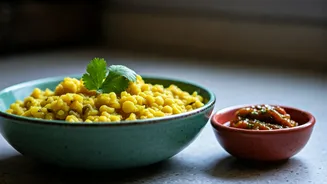
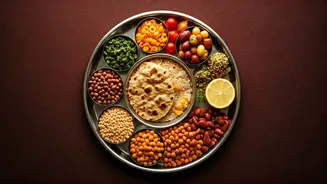
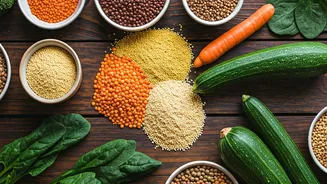
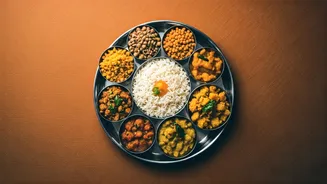
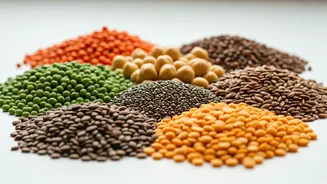
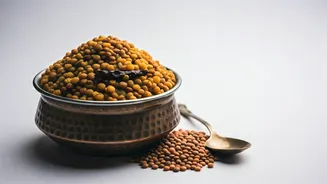
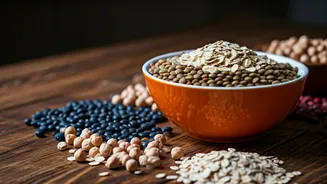
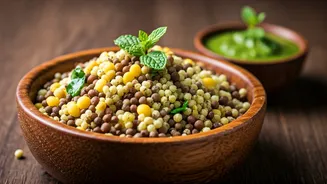
Legumes like chickpeas, black beans, and lentils are nutritional powerhouses. They are packed with both plant-based protein and dietary fibre, a winning combination for satiety. A single cup of cooked lentils, for example, offers a substantial amount of protein and fibre that can keep you feeling full for hours. Incorporating them is easy and affordable. You can stir a can of chickpeas into a salad, add black beans to your morning eggs or breakfast bowl, bulk up soups and stews with lentils, or mash white beans to create a creamy, filling base for other dishes. Their versatility makes them one of the most effective staples for enhancing almost any meal.
Harness the Power of Eggs
Eggs are a simple, inexpensive, and incredibly versatile source of high-quality protein. The protein in eggs helps suppress appetite for hours after consumption, making them a fantastic addition to any meal, not just breakfast. Studies have shown that including eggs in your morning meal can help reduce your overall calorie intake throughout the day. Beyond a simple scramble, you can add a hard-boiled egg to your salad or grain bowl, drop a fried egg on top of roasted vegetables or a lentil hash, or whisk them into a frittata loaded with vegetables. They provide a significant protein boost that makes any dish more substantial.
Rely on Whole Grains
Not all carbohydrates are created equal when it comes to fullness. Whole grains like oats, brown rice, and quinoa are rich in complex carbohydrates and, most importantly, fibre. Oatmeal, for instance, is famously satiating due to its high content of soluble fibre, which absorbs water and expands in your stomach. This process slows digestion and helps you feel fuller for longer compared to refined grains like white bread. Starting your day with a bowl of oatmeal, swapping white rice for brown rice or quinoa with your lunch, or even adding popcorn (a whole grain) as a high-fibre snack can make a significant difference in managing hunger.
Bulk Up with Vegetables
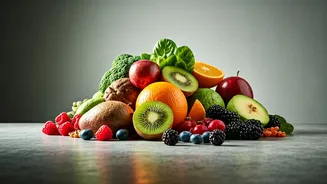
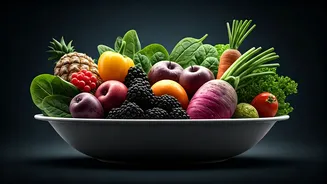
Vegetables are the ultimate tool for adding volume to your meals. Because they are high in water and fibre, they increase the physical size of your meal without drastically increasing the calorie count. Non-starchy vegetables like leafy greens, broccoli, cauliflower, bell peppers, and zucchini are particularly effective. Instead of treating them as a small side dish, try making vegetables a central part of your plate. Add a large handful of spinach to your smoothie or eggs, mix shredded cabbage or cauliflower rice into meat or grain dishes, or start your meal with a large salad. This strategy makes your plate look and feel more abundant, contributing to both physical and psychological satisfaction.
Don't Forget Healthy Fats
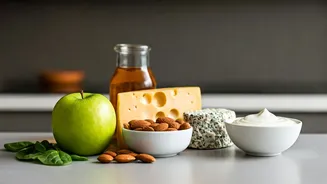
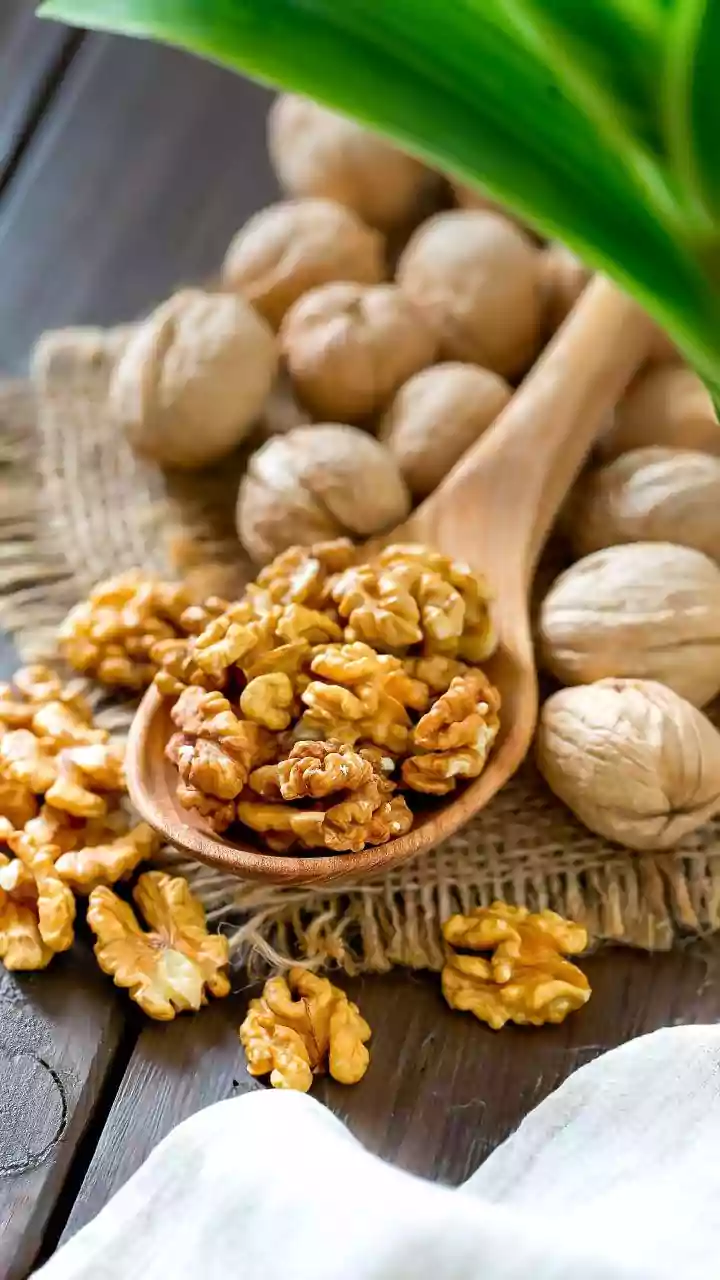
While fat is calorie-dense, incorporating healthy fats into your meals is crucial for long-lasting satiety. Fats slow down gastric emptying, meaning food stays in your stomach for a longer period. Sources like avocados, nuts, and seeds not only extend fullness but also contribute to the sensory satisfaction of a meal, making it feel more complete. Adding half an avocado to your toast or salad, topping your yogurt or oatmeal with a handful of nuts or seeds, or using olive oil in your cooking are simple ways to make your meals more satisfying and prevent you from feeling hungry again too soon.